Gloria G. Rodriguez
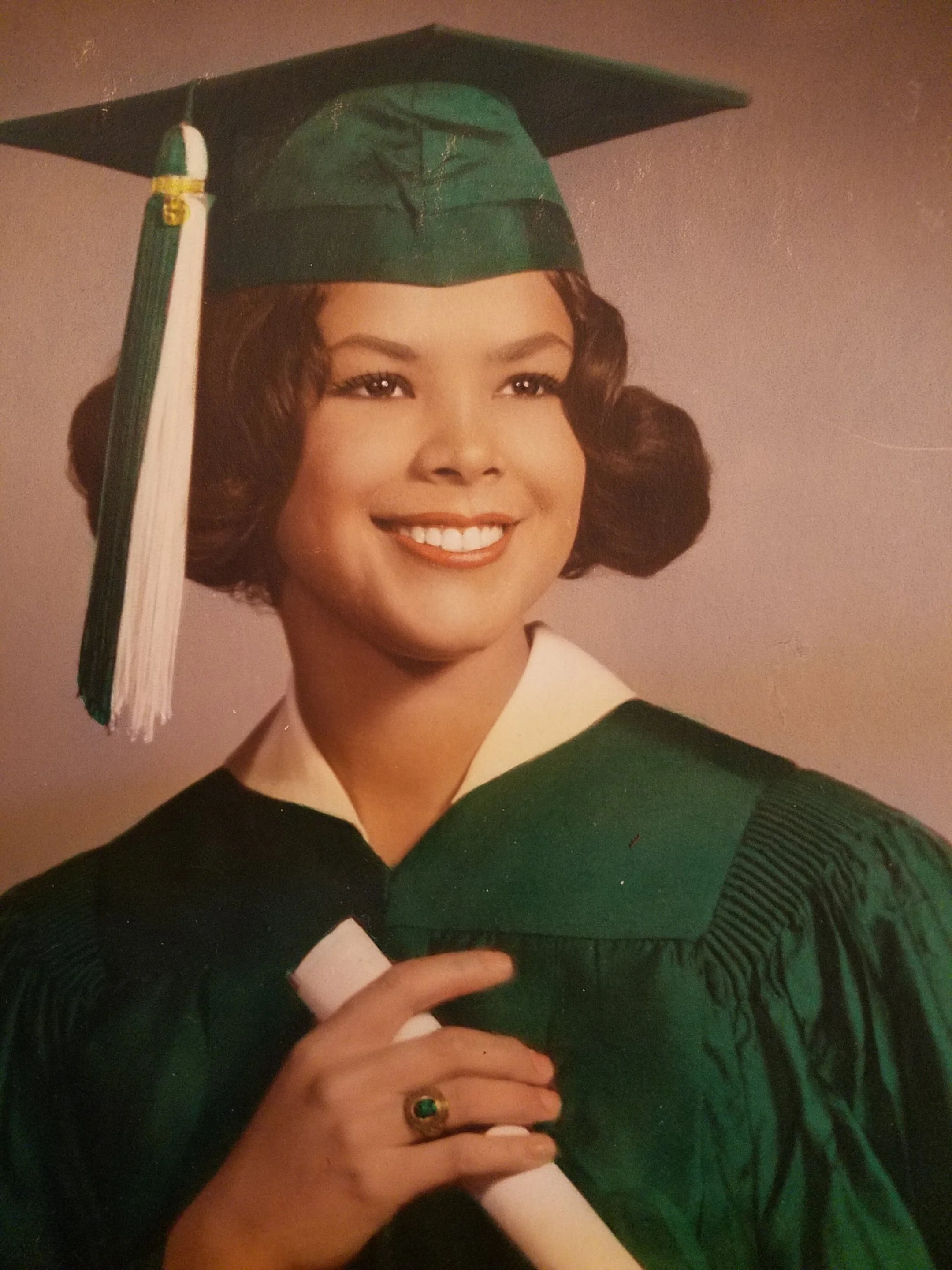
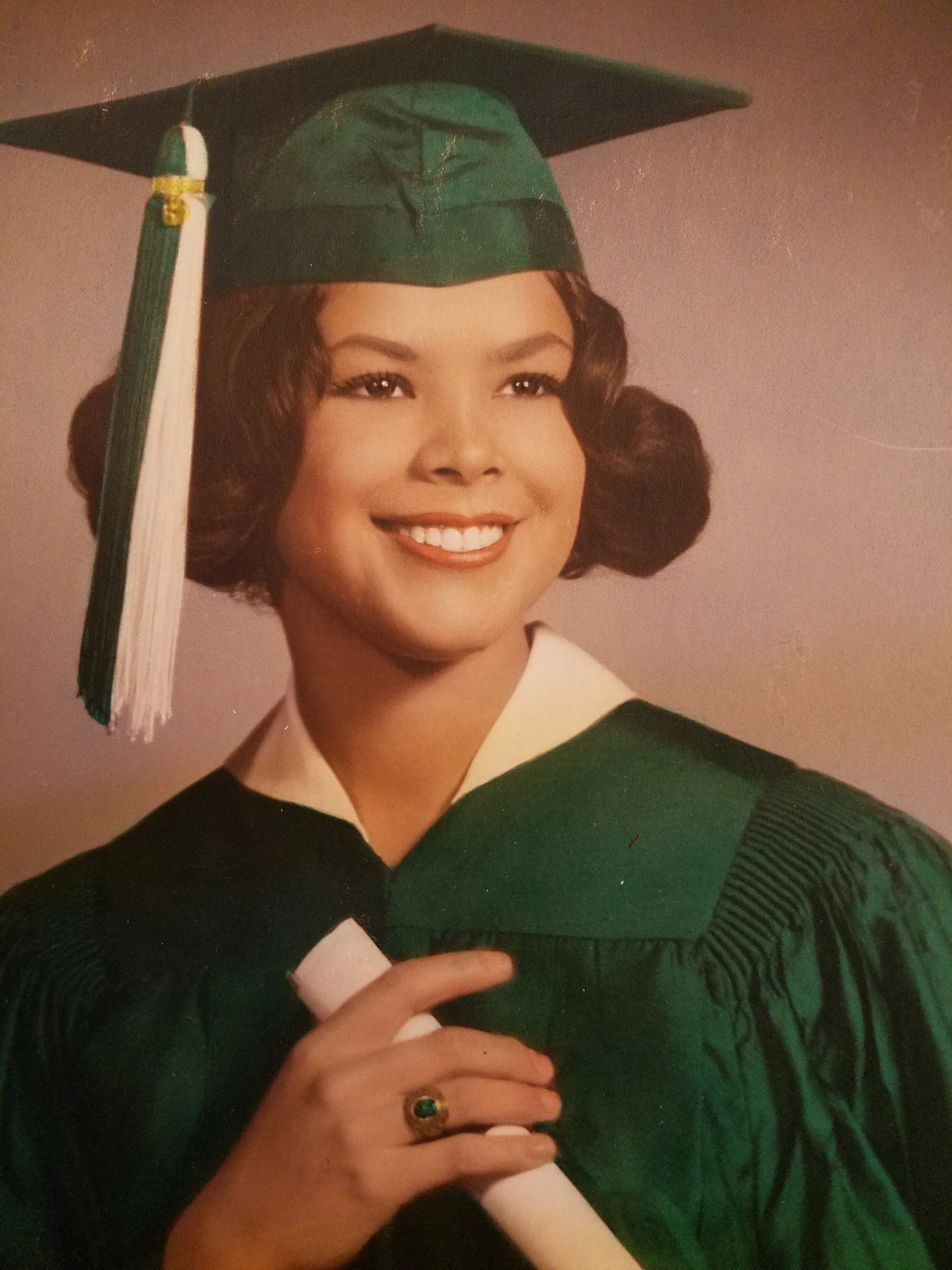
Gloria's Graduation from Kennedy High School, 1967. Photo courtesy of Gloria G. Rodriguez. Not to be republished without her permission.
“Gloria tried to balance family, work, community, while being a mother of three, running a multi-million nonprofit organization, getting her doctorate, writing a book and traveling extensively. She considered her leadership role at AVANCE challenging, extremely rewarding, and very fulfilling, having affected so many lives and improved so many poor communities.”

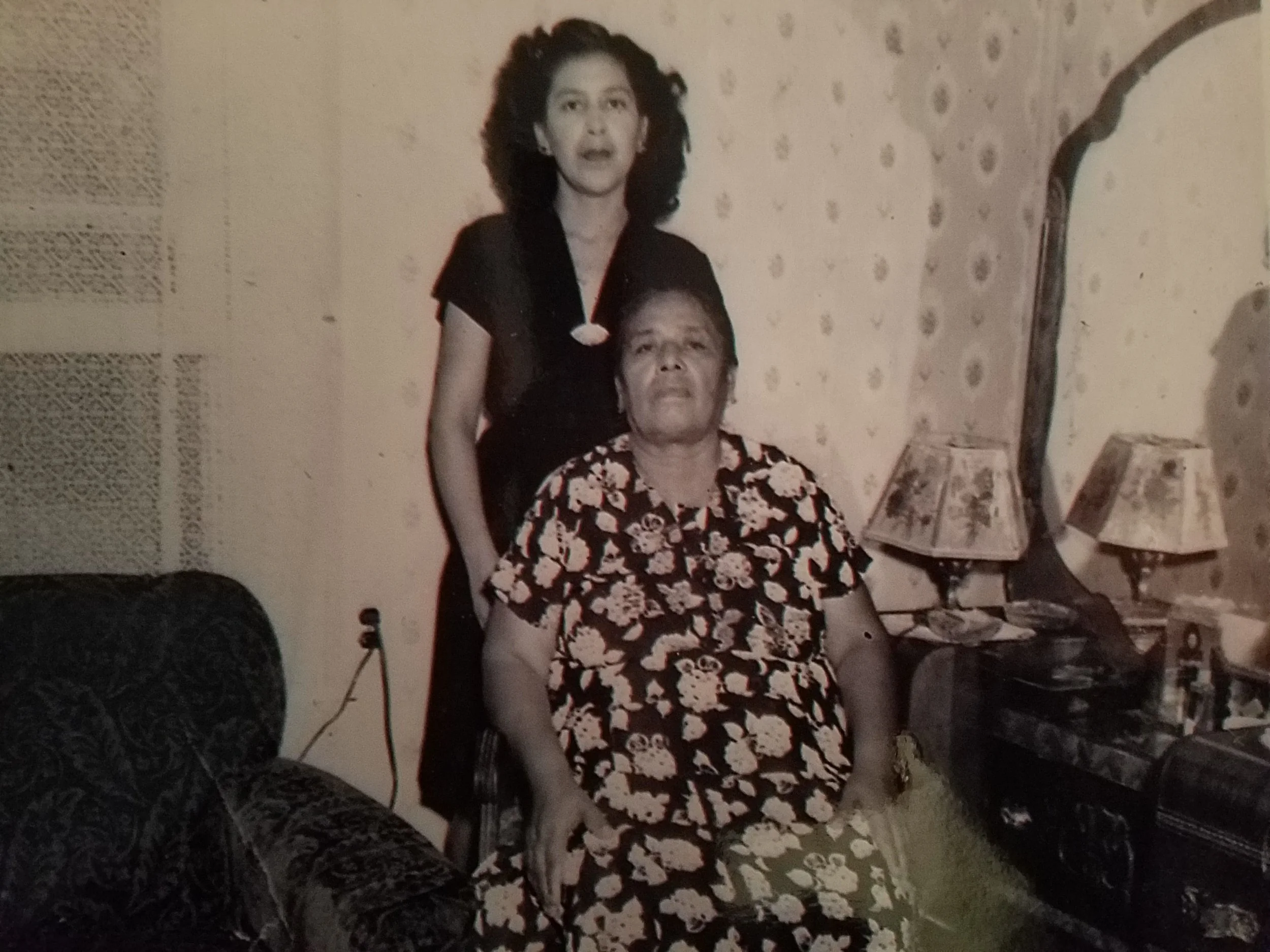
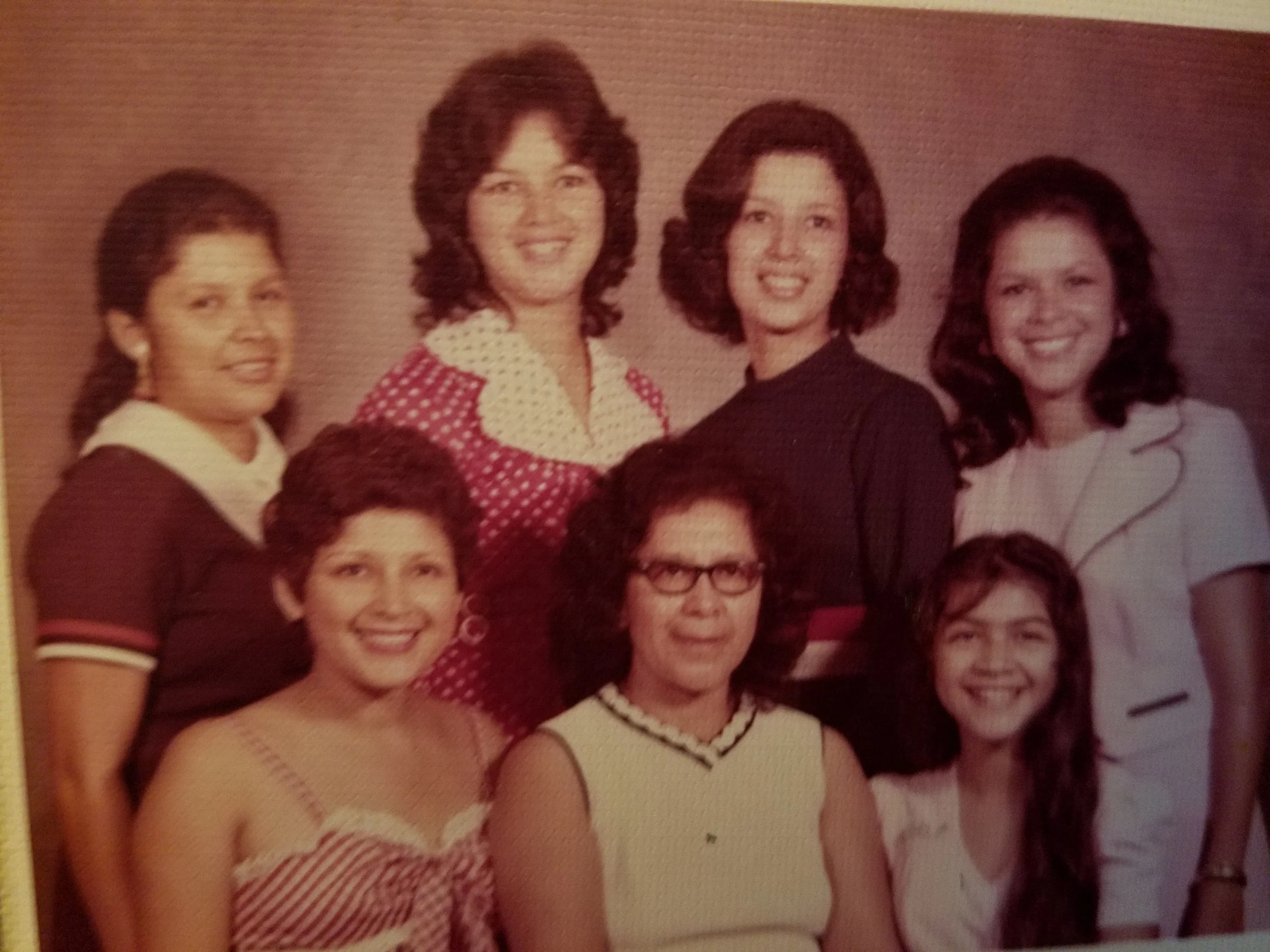
Gloria and her three sisters, Julia, Rosa, and Susie. Gloria is two years old, right after her father died. Photo courtesy of Gloria G. Rodriguez. Not to be republished without her permission.
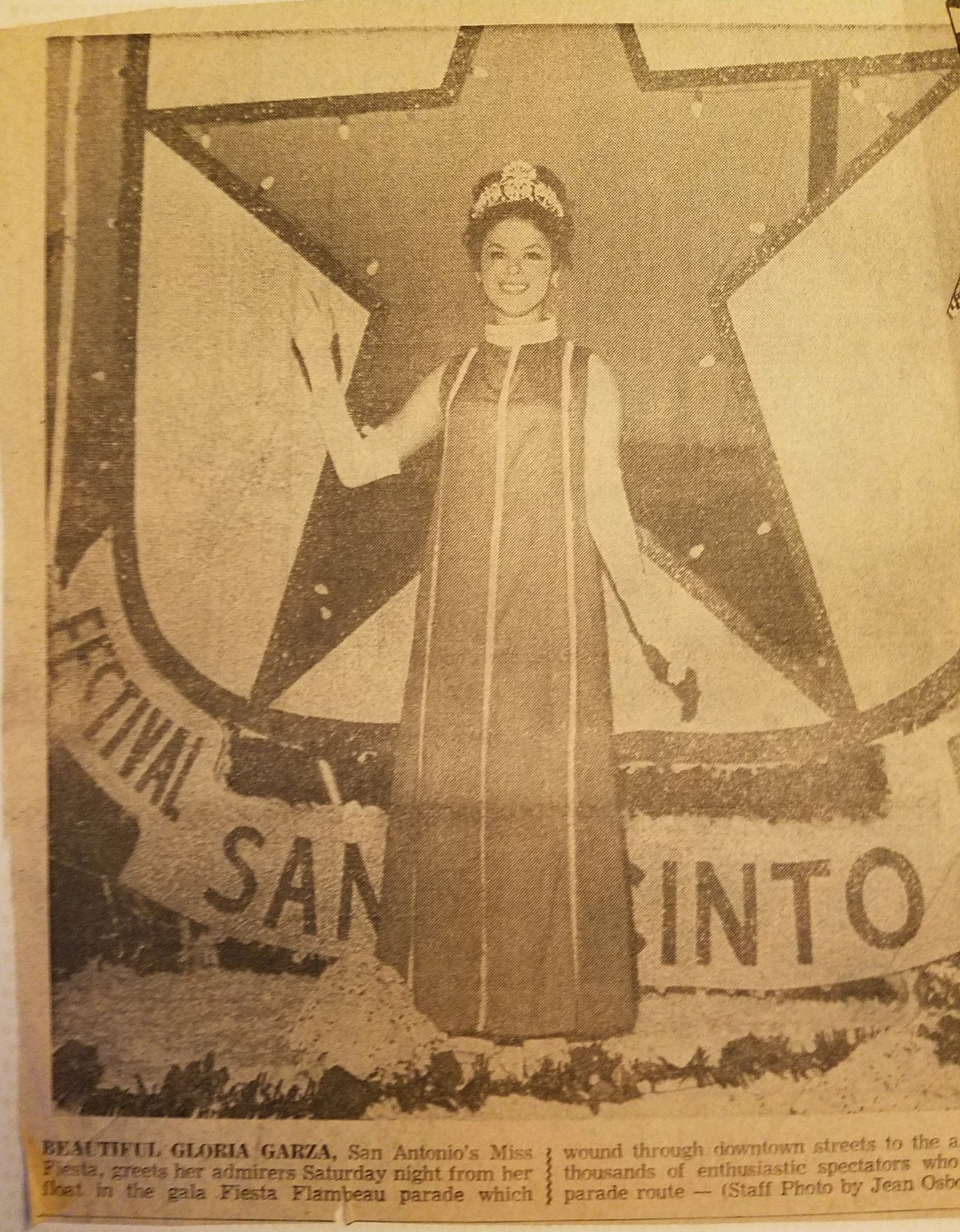
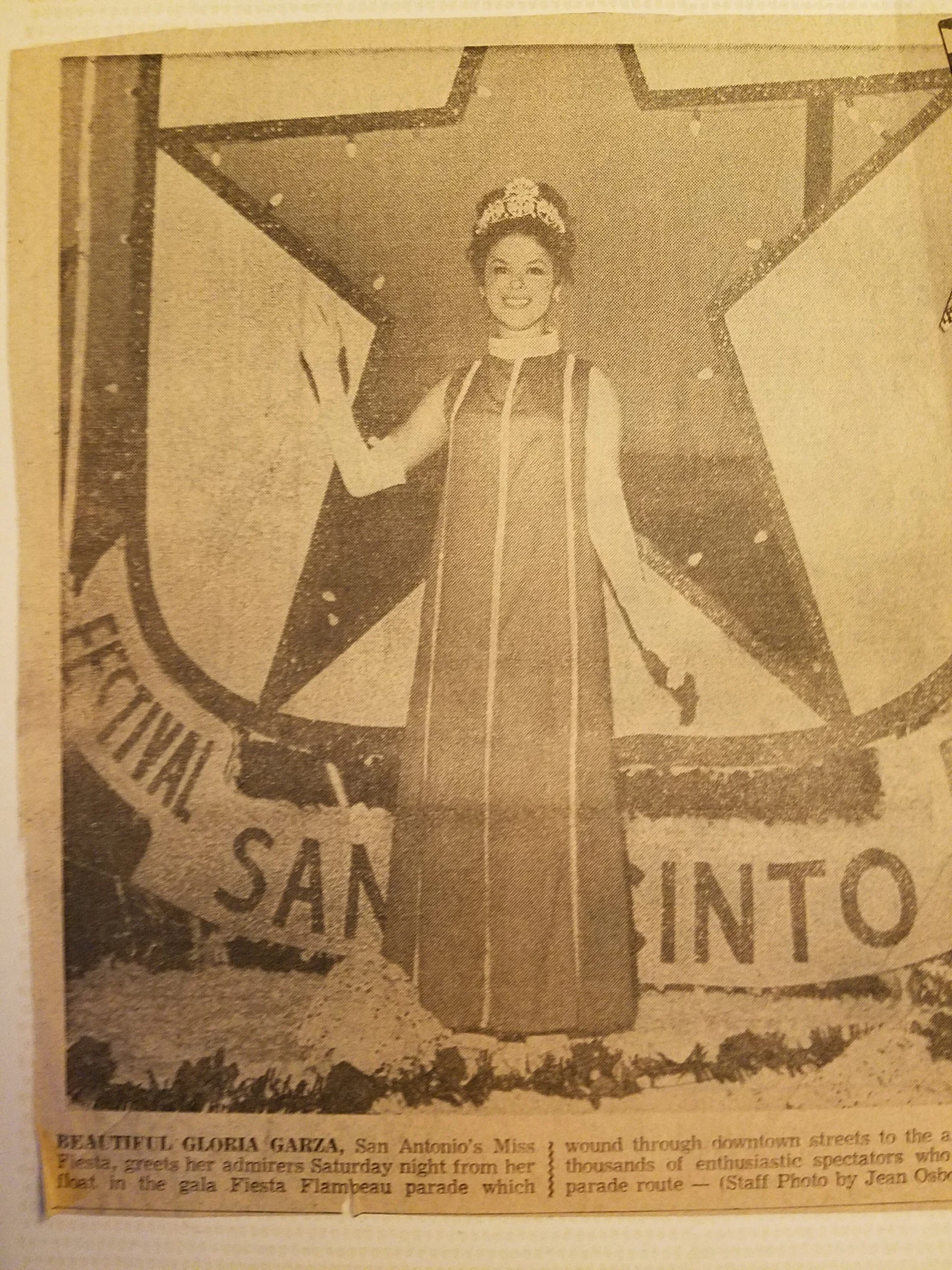
Gloria as Miss Fiesta in 1970, representing Our Lady of the Lake University. She also represented San Antonio in the Tournament of Roses Parade. Photo courtesy of Gloria G. Rodriguez. Not to be republished without her permission.
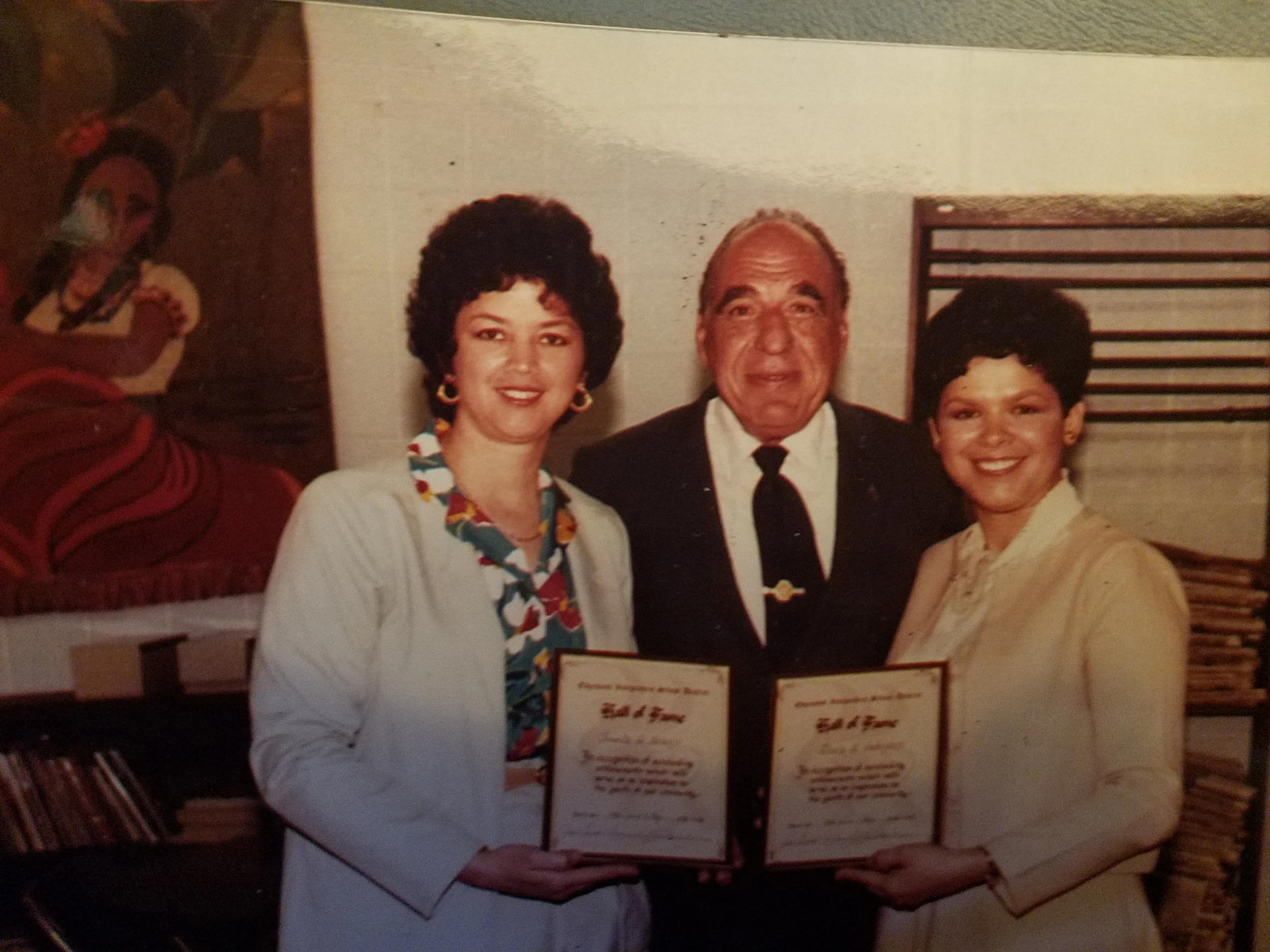
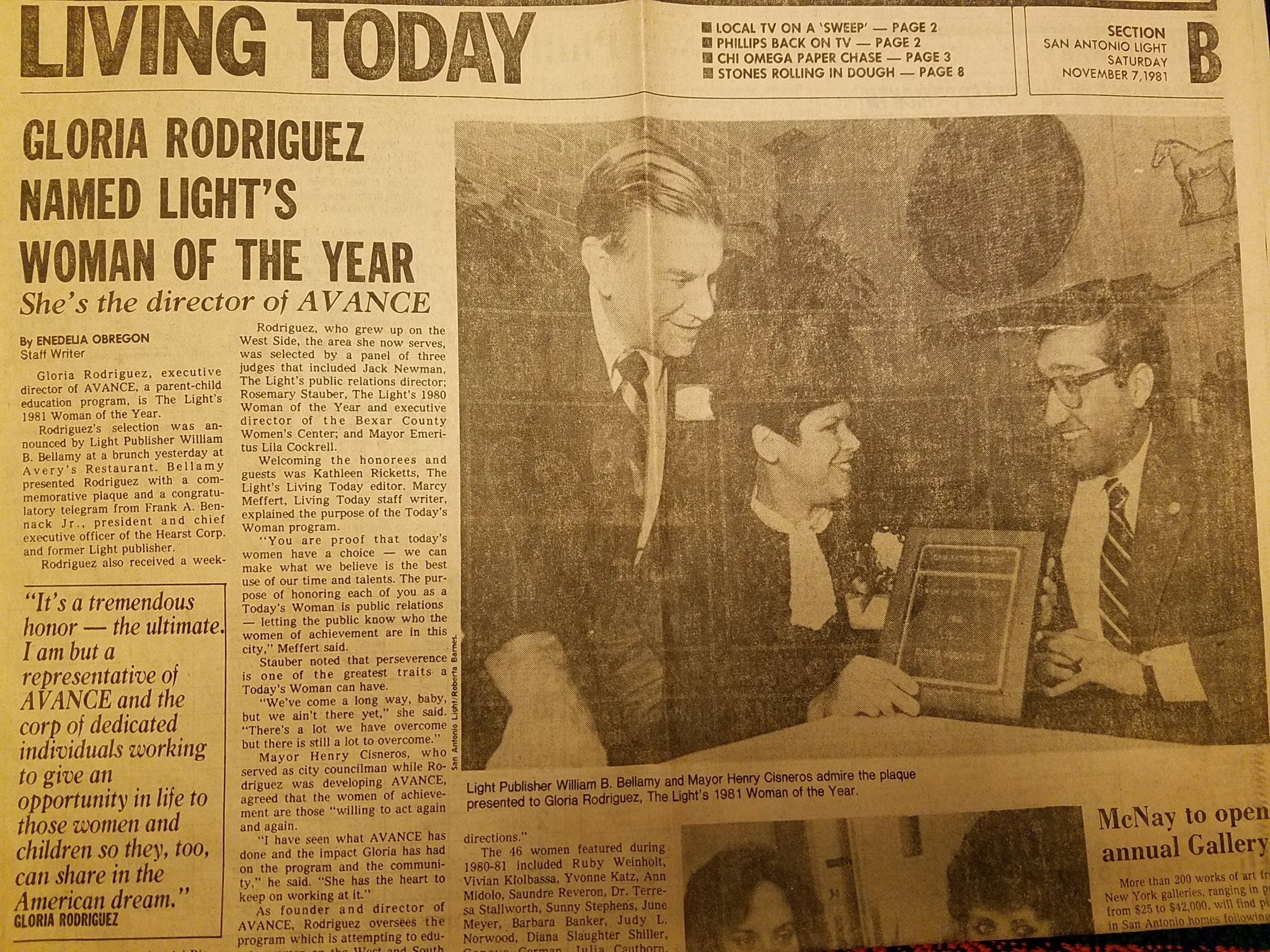
Gloria when she was awarded Woman of the Year by the San Antonio Light, 1981. Photo courtesy of Gloria G. Rodriguez. Not to be republished without her permission.
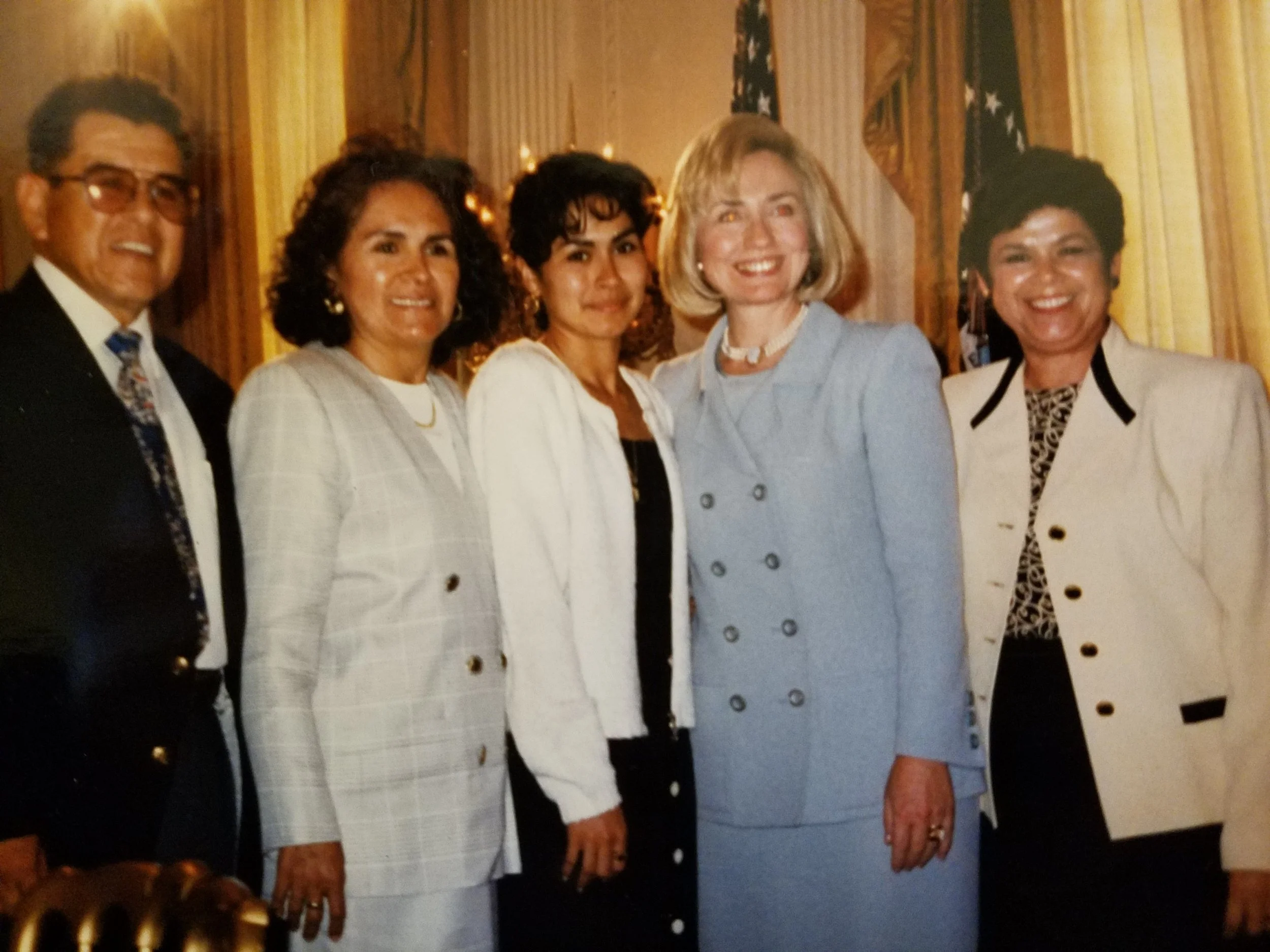
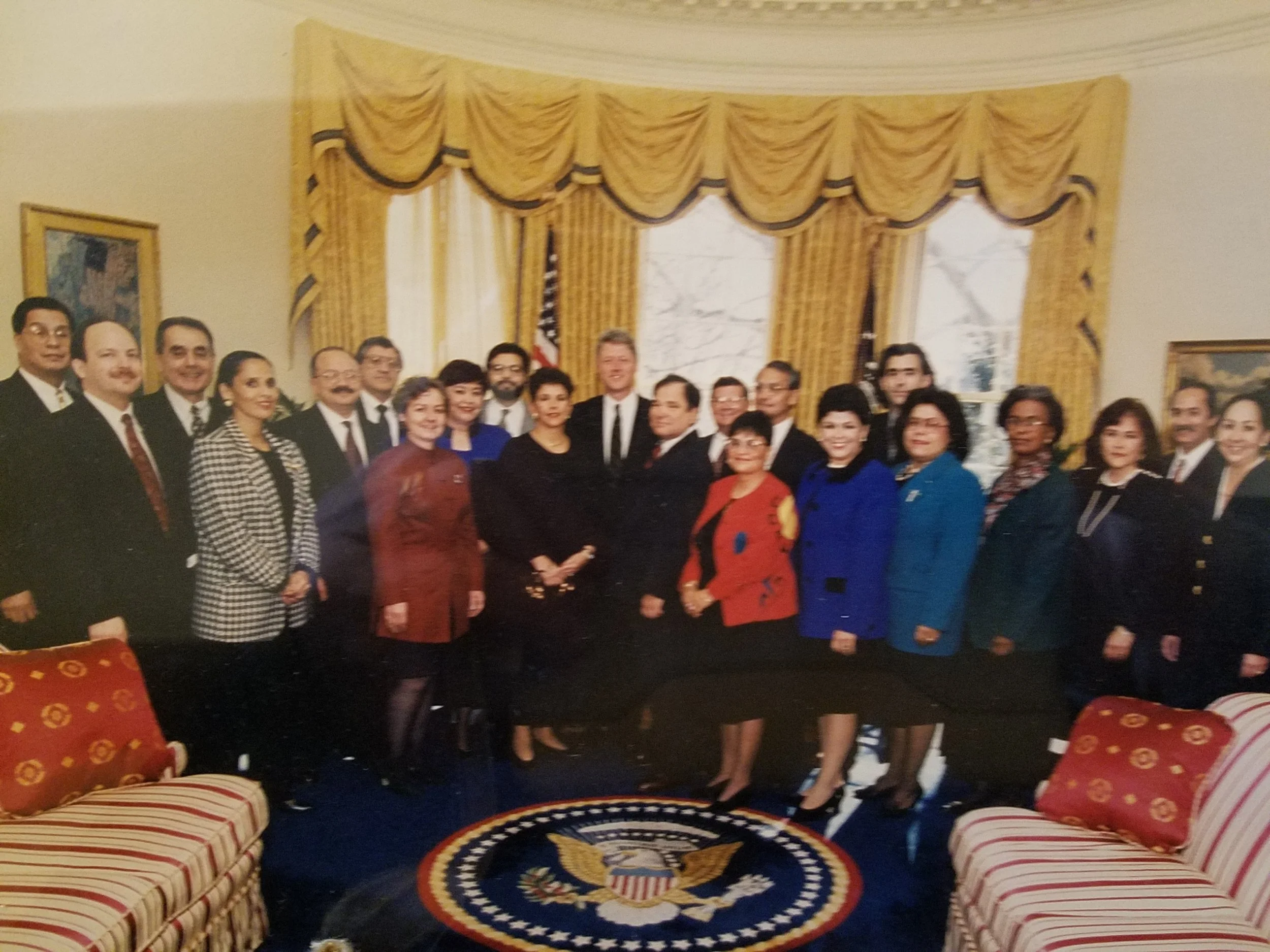
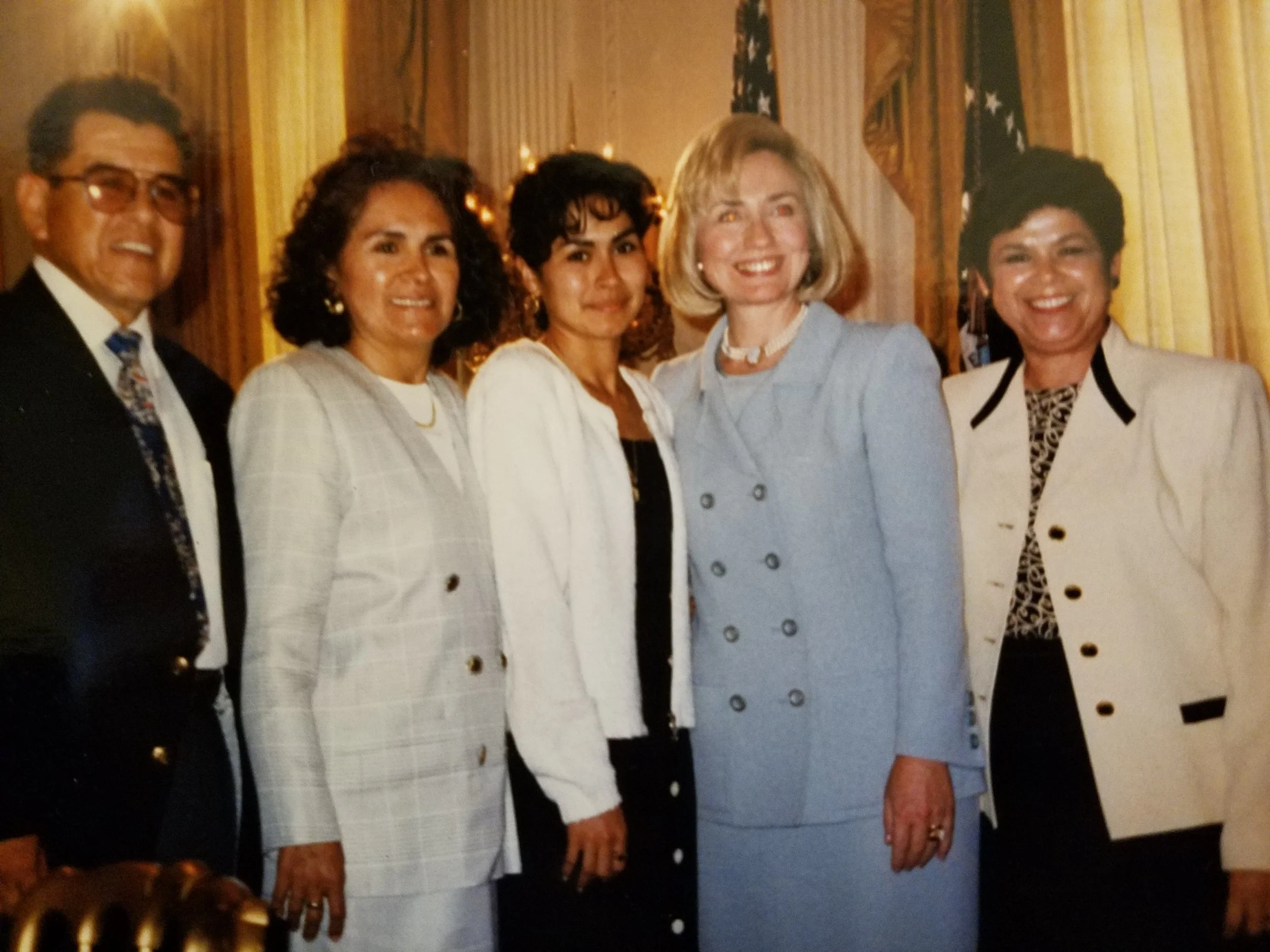
Gloria, standing with First Lady Hillary Clinton and parents with an AVANCE child who became a teacher. AVANCE was recognized as a national early childhood model at the White House twice, in 1997 and 1998. Photo courtesy of Gloria G. Rodriguez. Not to be republished without her permission.
Founder, Former National President and CEO of AVANCE
1948–present
The following are excerpts from Dr. Gloria G. Rodriguez’s forthcoming book. Special thanks to Gloria for sharing her story with us.
Dr. Gloria G. Rodriguez, who rose from poverty and the depths of the Westside of San Antonio, kept her vow and returned to her community to serve through the AVANCE organization which she founded and led for 32 years (1973-2006). She considered AVANCE her “second baby,” and her calling and mission in life.
Dr. Gloria G. Rodriguez was born on Colima Street in 1948 next to her maternal grandparent’s home in the Westside of San Antonio, where they shared a communal outdoor shower and outhouse. Gloria is the 4th of five daughters of Julian and Luz Villegas Garza. Her father was born in Nava, Mexico and came to Zuel and Marion, Texas at the age of six with Gloria’s widowed grandmother, to live with family members who were sharecroppers. Her paternal grandfather, Julian Garza, a prominent land owner, was killed protecting his land from Pancho Villa’s troops. He was one of five founders of Nava, Mexico. Gloria’s paternal grandfather of the 10th generation was one of the founders of Monterey, Mexico. Gloria’s mother was born on an agricultural farm near Laredo shortly after Gloria’s pregnant maternal grandmother and grandfather crossed the border, on their way to the Westside of San Antonio. Both of her grandparents came to this country because of the Mexican Revolution seeking a better life for their children.
Gloria’s father and grandmother moved to the Westside of San Antonio on Smith Street to work as a butcher at Garza Meat Market, owned by his cousin. Gloria’s parents met in the barrio and were married at Guadalupe Catholic Church. Their five daughters were baptized at the same church. Her father was killed at the age of 35 in one of the many bars on Guadalupe St, leaving her 29-year-old mother a widow with five daughters one year apart, from 11 months to 6 years of age. In addition to losing her husband, her mother Luz lost her own mother one year later and her only sister one year after that. Gloria’s mother was her inspiration when, as a teacher, she was trying to solve the education problems Latinos were facing. Gloria would later ask herself, “How did my mother make it through all these trials and tribulations and still remain strong, resourceful, hardworking and a loving devoted mother with hopes and dreams for her children?” She concluded that it was not only her strong faith, but the tremendous support she received from Gloria’s grandfather, Lazaro Villegas, as well as from other extended family members, neighbors and the community. This enabled Gloria to understand the importance of family support, which she incorporated in her work when she returned to her Westside community to serve the families in need, through AVANCE.
Luz’s strong work ethic and entrepreneurial spirit was passed on to her children at an early age. Her mother was a pecan sheller and later worked as a seamstress at Finesilver. She made the most beautiful earrings that her daughters would sell, in addition to so many other products. She was determined to make ends meet by augmenting her late husband’s $96 monthly social security survivor’s benefit check. She remarried a WWII Veteran, Antonio Salazar, who became a business owner of Veterans Barber Shop, that still exists today in the Westside on Commerce Street. They had two sons and a daughter. The first son, Antonio Salazar, who is also a Veteran, now owns and operates Veterans Barber Shop.
Gloria’s family lived in the Alazan Housing project on Torreon Street for two years while their four-room house was being built on 26th street, near Las Palmas homes, in the Edgewood ISD. She has fond memories of her youth playing fun games such as La Vibora De La Mar, 123 Red Light, Red Rover, baseball in the street, having a homemade seesaw, playing marbles and making clothes for her dolls. As a teenager, she and her sisters attended many dances at the Edgewood High School canteens or at Patio Andaluz, or just hanging out at the Malt House after football games. Gloria attended Las Palmas Elementary and recalls the many times she was punished for speaking Spanish by placing her nose in a circle on the blackboard. She overcame the humiliation, learned to speak English and would become a leader at Kennedy High School as a cheerleader, Sweetheart Queen and class officer. She was even in the Future Teachers of America club because she wanted to be a teacher, but was encouraged to take secretarial courses. While going to school Gloria worked as a saleslady to pay for her clothes and cheerleading expenses, and had to navigate her path to the bus stop without sidewalks, proper lighting and poor drainage. Her mother would always be waiting by the gate for her when she returned home at night.
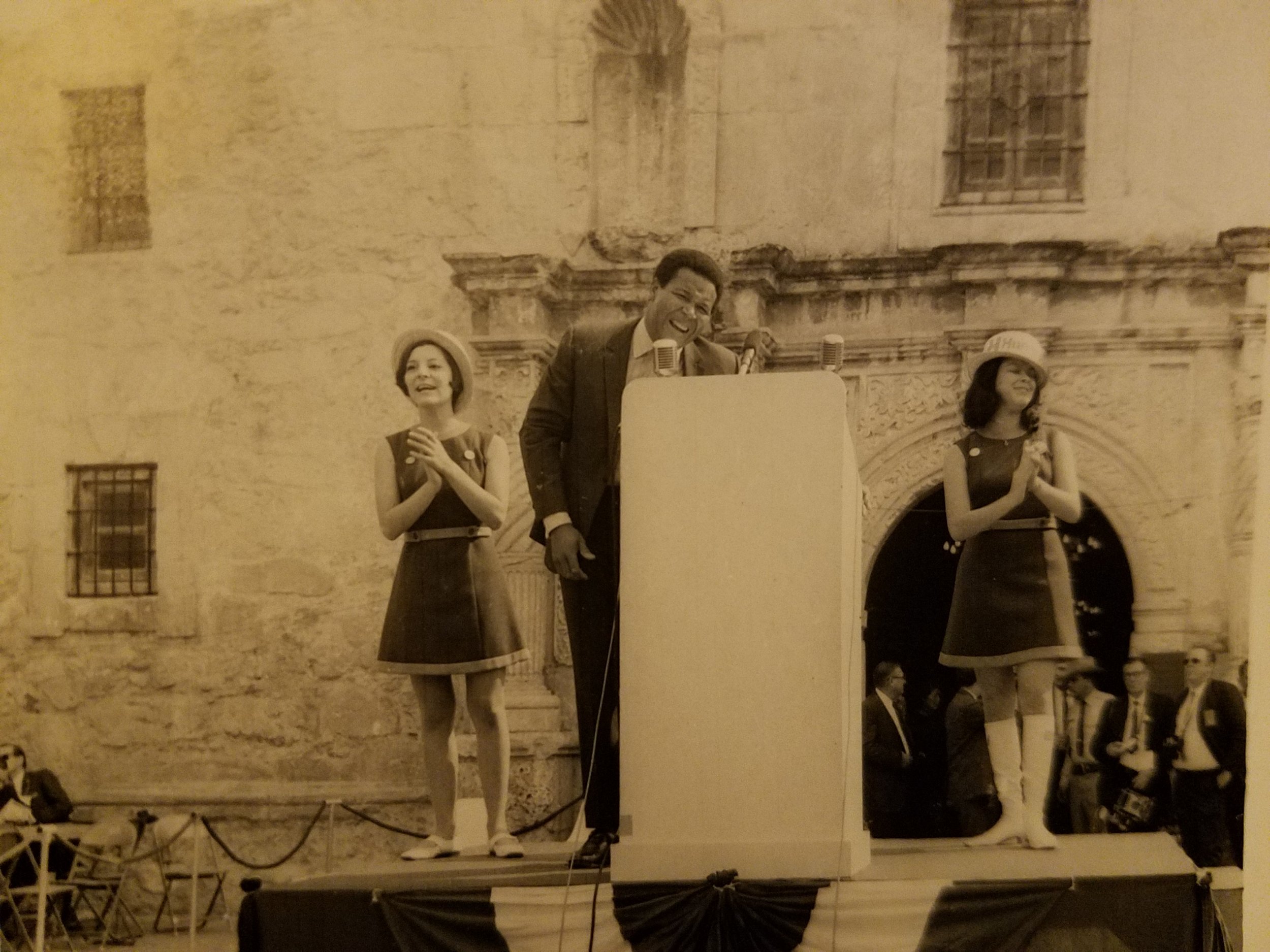
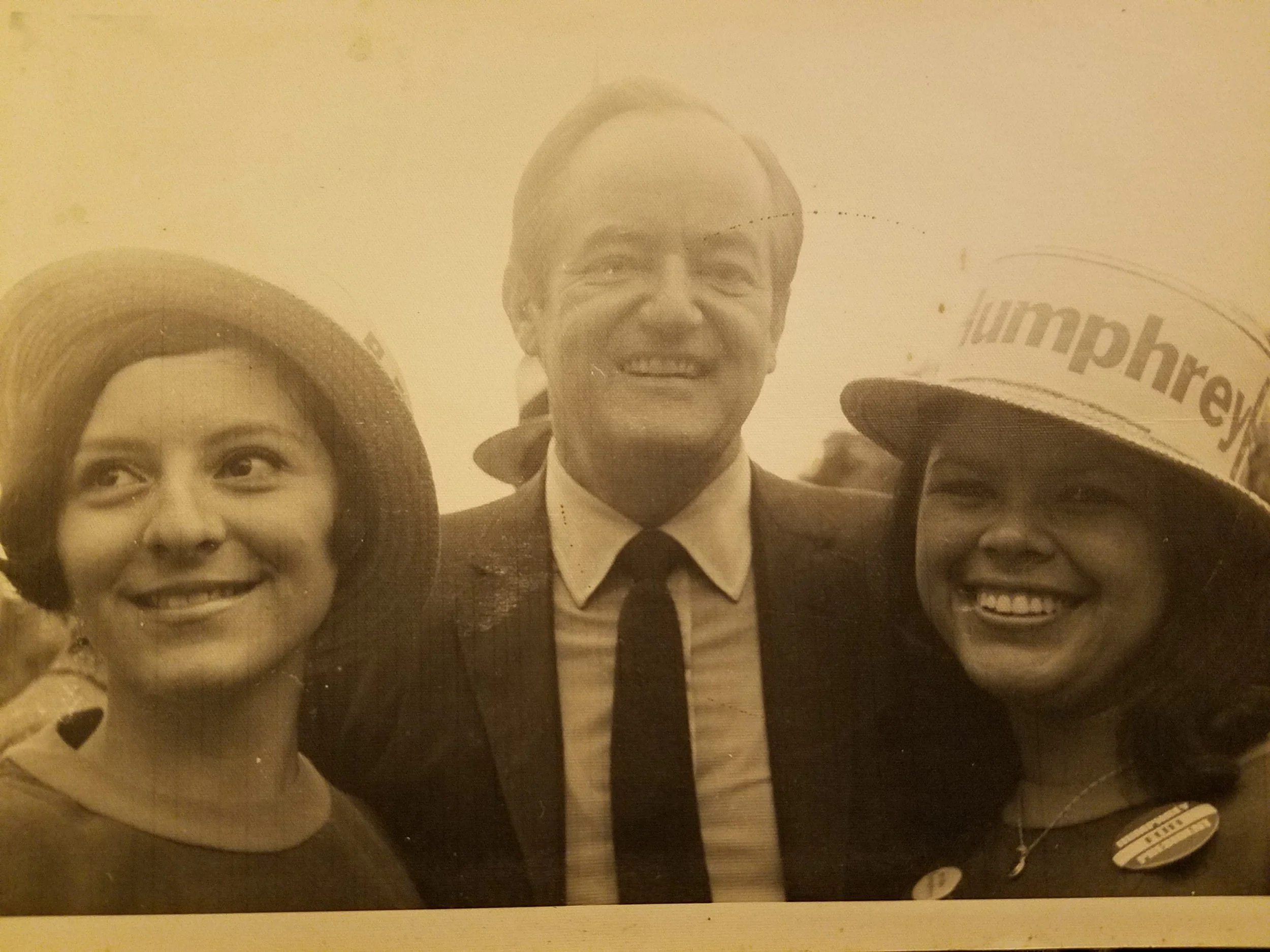
Gloria would become a teacher when she was one of thirty student leaders who were afforded an opportunity to participate in a Bilingual Teacher Training Certification Program at Our Lady of the Lake University, called Project Teacher Excellence (PTE) from 1967-1970. The understanding was that they would return to their communities to teach. Gloria would find out many years later (when both were in the same class getting their principal’s certification), that her high school principal did not recommend her for this program. At OLLU, Gloria was Cheerleader, President of Alpha Mu Gamma, and was in the Young Democrats. In 1968, Gloria stood next to Hubert Humphrey and Chubby Checker at an election rally in front of the Alamo! Gloria was also selected as Miss Fiesta in 1970, representing OLLU and the city of San Antonio at the Fiesta Flambeau Parade and the Tournament of Roses Parade. She completed her BA in 3 ½ years and was included in Who’s Who in American Colleges and Universities. In 1972 she married Salvador Rodriguez, an Electrical Engineer from the Westside. Gloria spent many hours at the library studying and at Sacred Heart Chapel praying. She vowed that if she succeeded in college that she would use her degree to help others in her Westside community.
Gloria could not return to the Edgewood District to teach because her brother-in- law was a member of the school board. Instead, in December 1970, she became the first certified bilingual teacher at Northside ISD, developing her own curriculum. She was assigned a group of 35 first grade Latino children from a poor community who their teachers labeled and ignored. They were considered destined to fail. She worked with the children for a year and a half. Thirty of the 35 children did well and moved on, but five were retained in the second grade. One of those five children would be the catalyst for altering the trajectory of Gloria’s life. A day that will forever be etched in Gloria’s mind was when one of the five children she retained was in her room after school and her second-grade teacher came in, grabbed the child and threw her against the wall, where she fell into the trash can. The teacher was angry because the child would come to Gloria’s room for tutoring, just as she had done for over a year. This incident, and the lack of an appropriate response from her principal, led Gloria to return to OLLU to get her principal’s certificate to fire that teacher.
It was in a research class at OLLU that Gloria brought together all her values, life experiences and educational knowledge to come up with a better solution to the educational problems and the child abuse episode she encountered. In that class, Gloria was introduced to Phyllis Levenstein’s Mother Infant program in New York. This made her realize the importance of helping parents get their children ready for school, especially during the critical formative years of birth to three, and understand their important role as advocates. Gloria conducted a research study of the parents of her first class, and confirmed her hypothesis that they needed help in acquiring important information. But what made Gloria stop to ponder, was when the parents answered that they thought their children were not going beyond the 7th grade, the grade level they themselves had attained. That was when Gloria asked the question, “Why is it that my mother, who only had a 3rd grade education, did not think I was only going to the 3rd grade?” Gloria concluded that many parents needed support, like the support her mother received, to keep their hopes, dreams, high expectations and aspirations for their children alive.
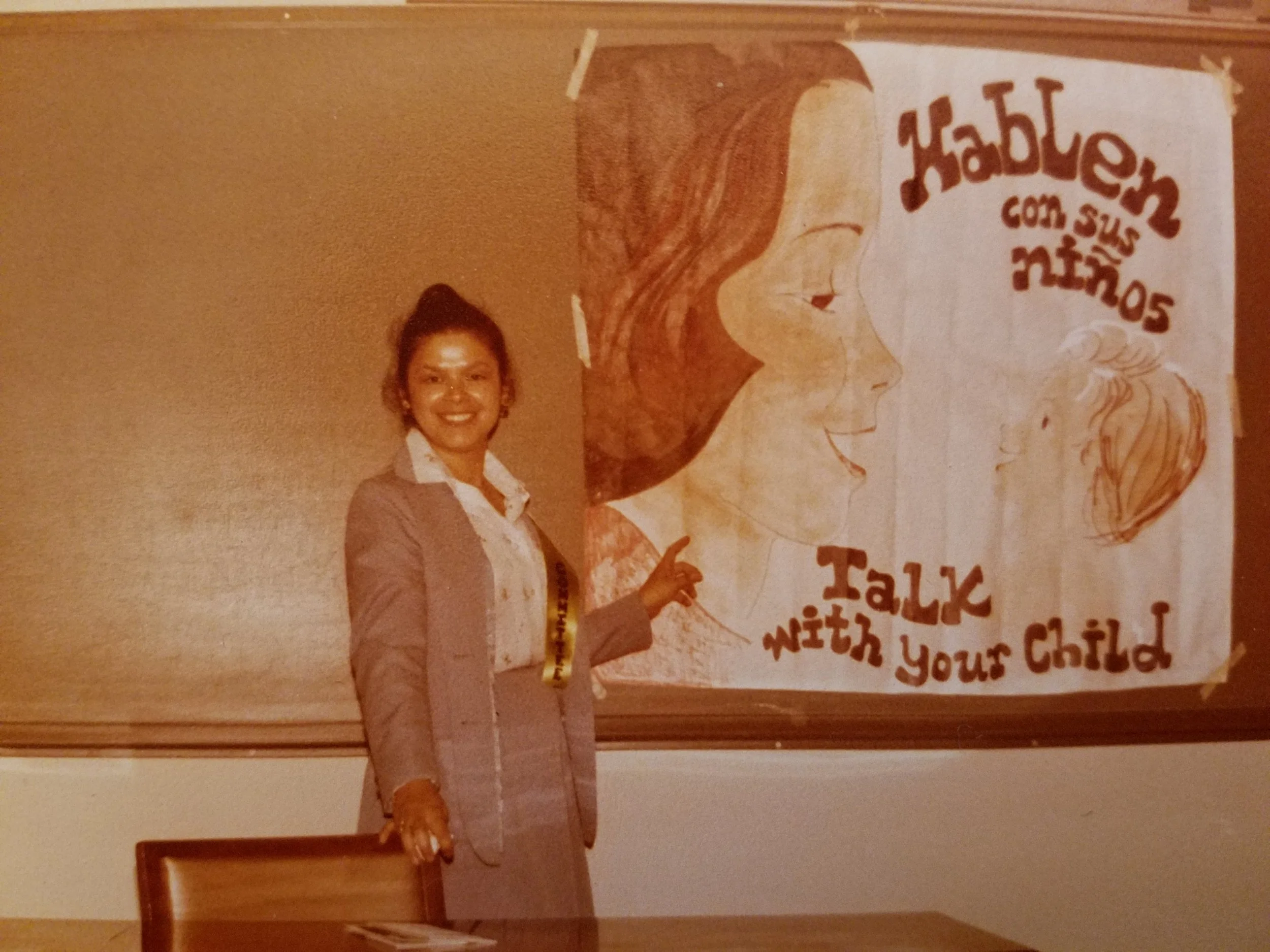
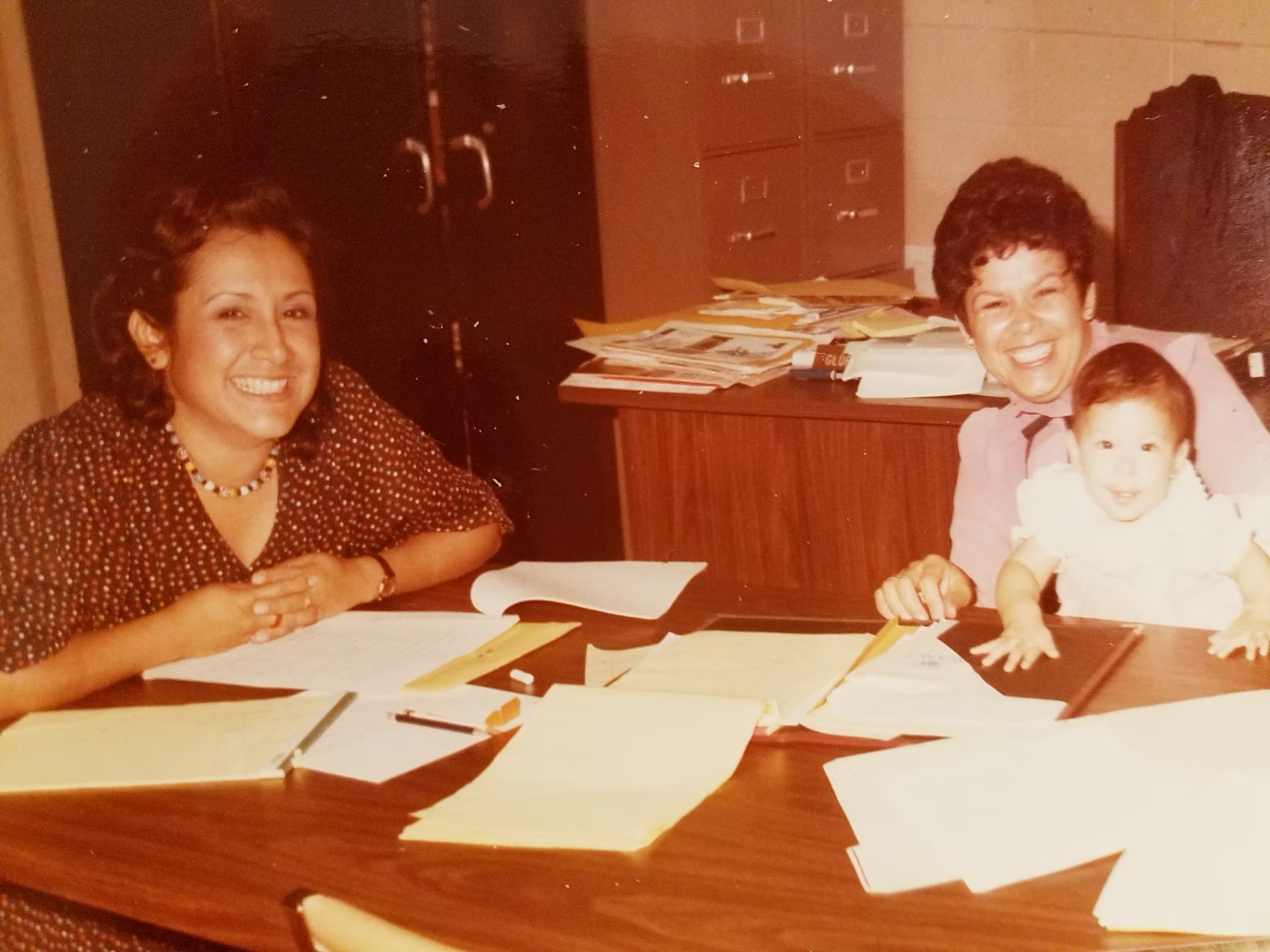
As Gloria was looking for funds to start a program she had envisioned in her mind, she was told about a very similar program in Dallas called AVANCE. It had just started a year prior by two students at Cornell University and funded by the Zale Foundation. They were looking for a Child Development Teacher/Director to implement AVANCE in San Antonio. Gloria was the only one interviewed and immediately got hired when she shared her research study. In September 1973, at the age of 25, she left teaching to pursue her passion and vision. She was six weeks pregnant at the time, though she did not know that yet. She was told she was in charge of AVANCE in San Antonio. This included selecting the location site, being responsible for its sustainability, program design, daily operations, publicity and Board and community relations. The AVANCE Dallas Director would likewise be responsible for AVANCE- Dallas, which focused mostly on child growth and development. Unfortunately, AVANCE Dallas was discontinued for lack of funding after the initial three-year grant ended.
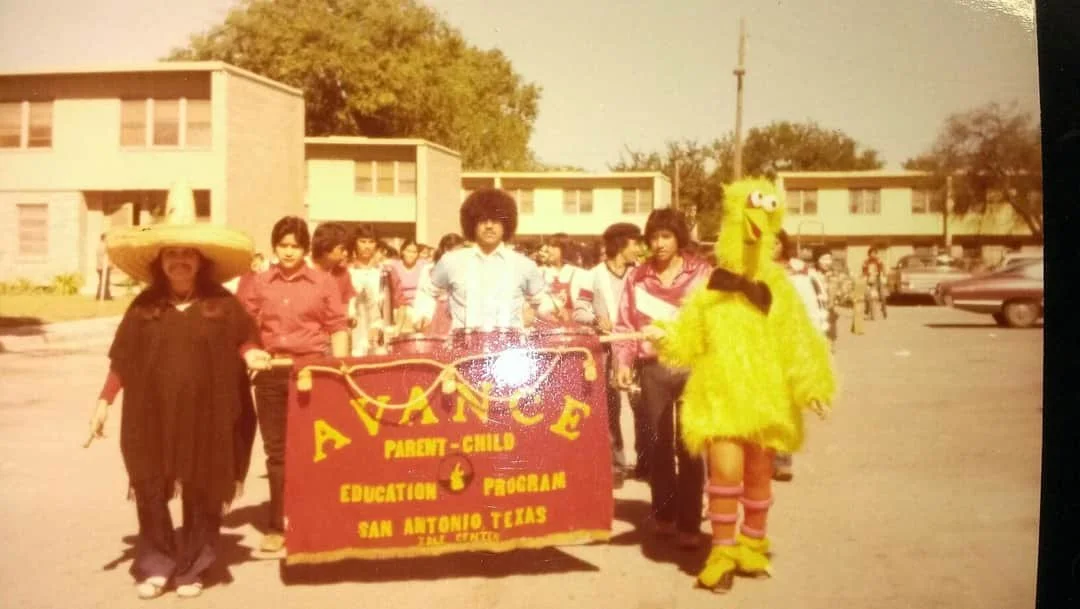
AVANCE was like earlier mutual aid programs, where important services were provided to newly arrived immigrants and where neighbors came together to support one another and their community. Parents were treated with dignity and respect and made to feel special at their formal graduation ceremony. Parents were encouraged to speak up and advocate for their community.
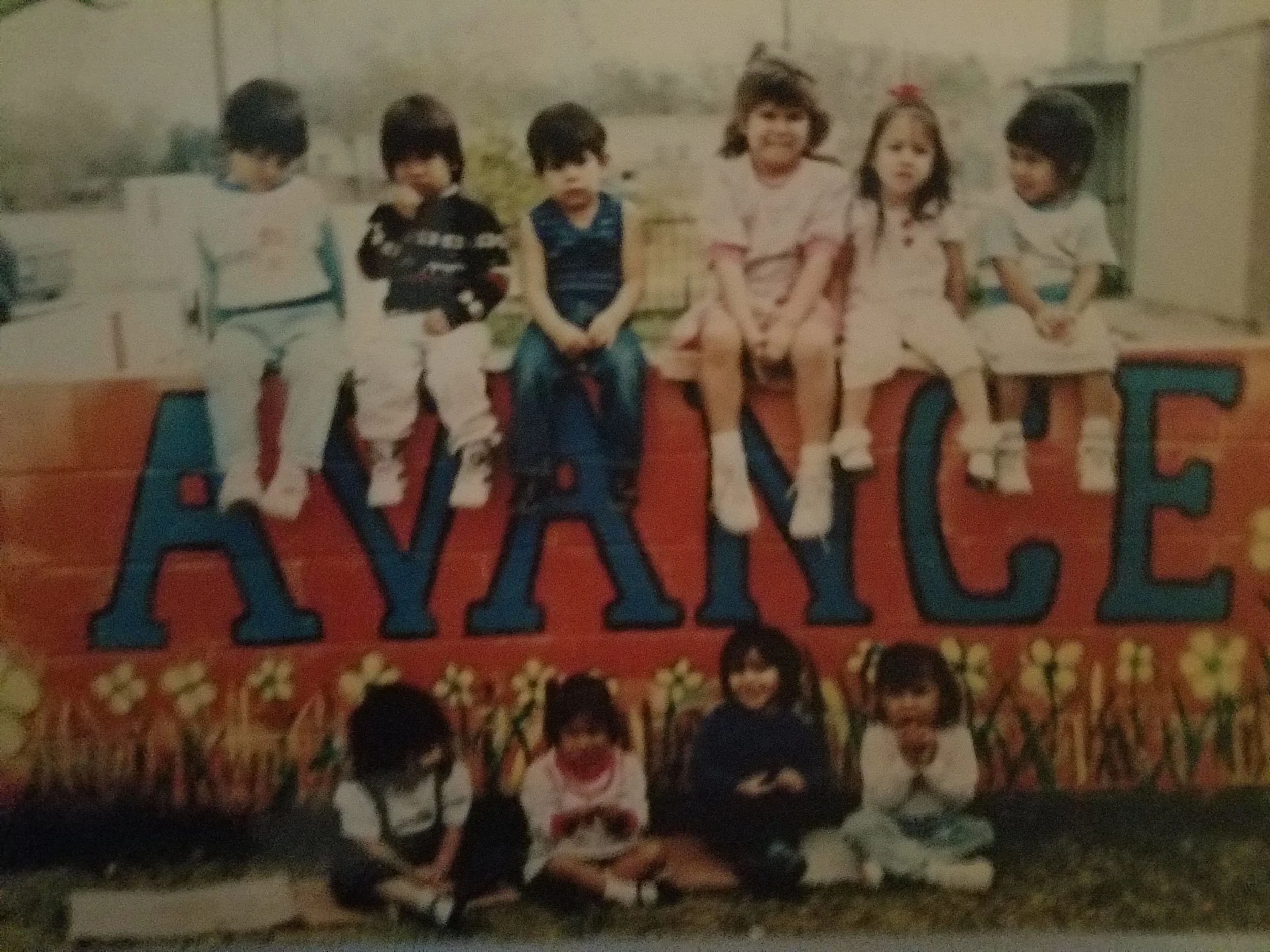
On the other hand, AVANCE San Antonio flourished and became a nationally recognized model. AVANCE-San Antonio incorporated the family support component. Gloria selected the Mirasol Housing Project as the location of the first AVANCE site, which was walking distance from where she grew up. From the beginning, it was not easy. This housing complex was full of crime and drugs. Gloria’s good friend lived there and her family was like many single mothers at Mirasol trying to raise a family in that environment. Gloria lost her first child in June 1974 of a heart condition, three months after birth, the first year she was trying to implement this fledgling organization. But, through her faith and support from others, including the AVANCE mothers, she survived and continued forward.
The second AVANCE center was at Lincoln Courts; then the third site was at the Alazan Housing Project, where Gloria once lived. Congressman Gonzalez asked the Alazan residents to come up with a 12-point strategy to address the crime in their community and AVANCE was one of the strategies. Then AVANCE expanded to the Southside community, where her colleague Carmen Cortez lived. Carmen would eventually become the Vice President of AVANCE. Twenty years later, AVANCE received a large state government grant to expand the model to nine cities across Texas, including Dallas. Lastly, she acquired a state grant to expand AVANCE to Los Angeles, California.
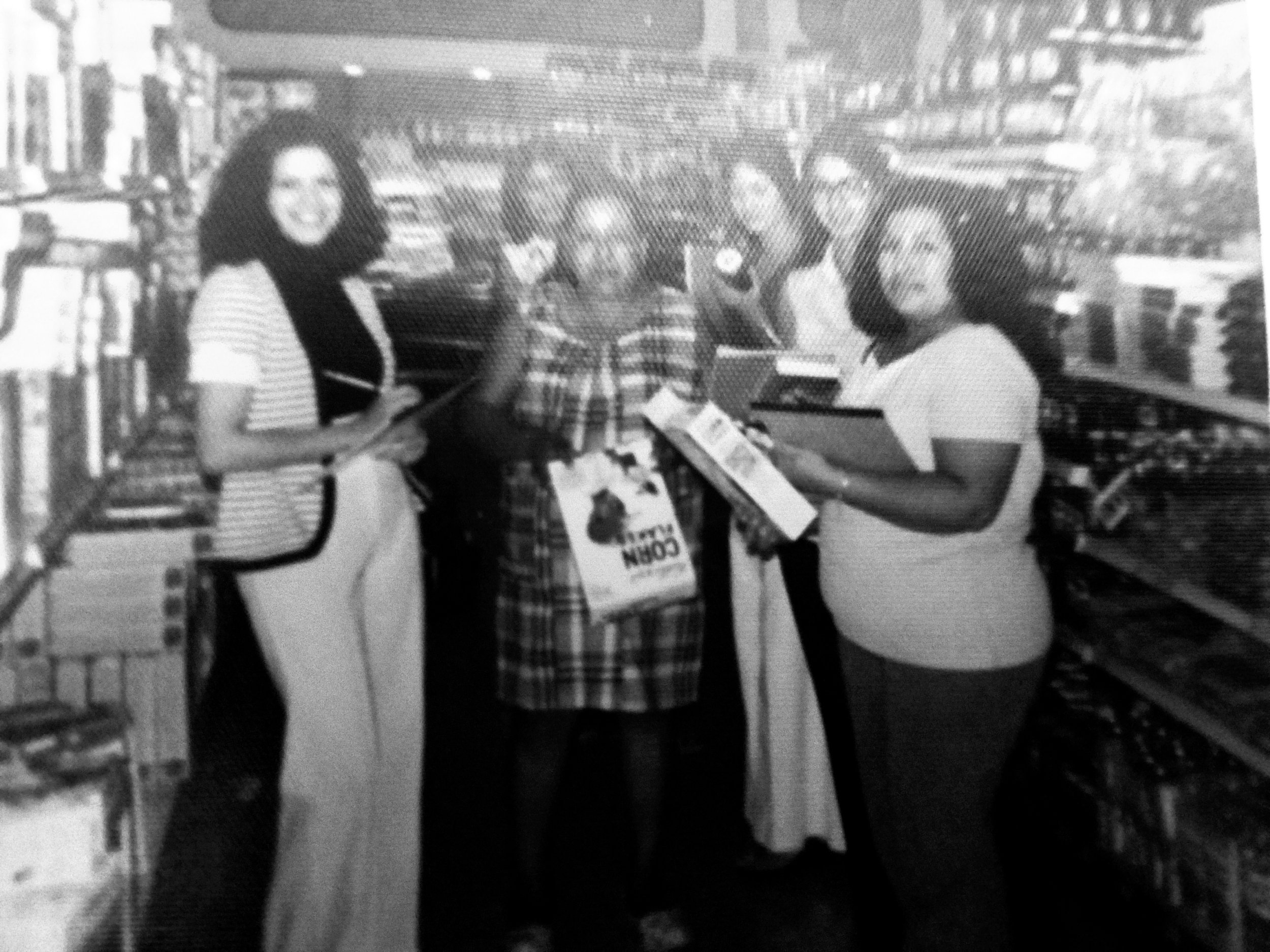
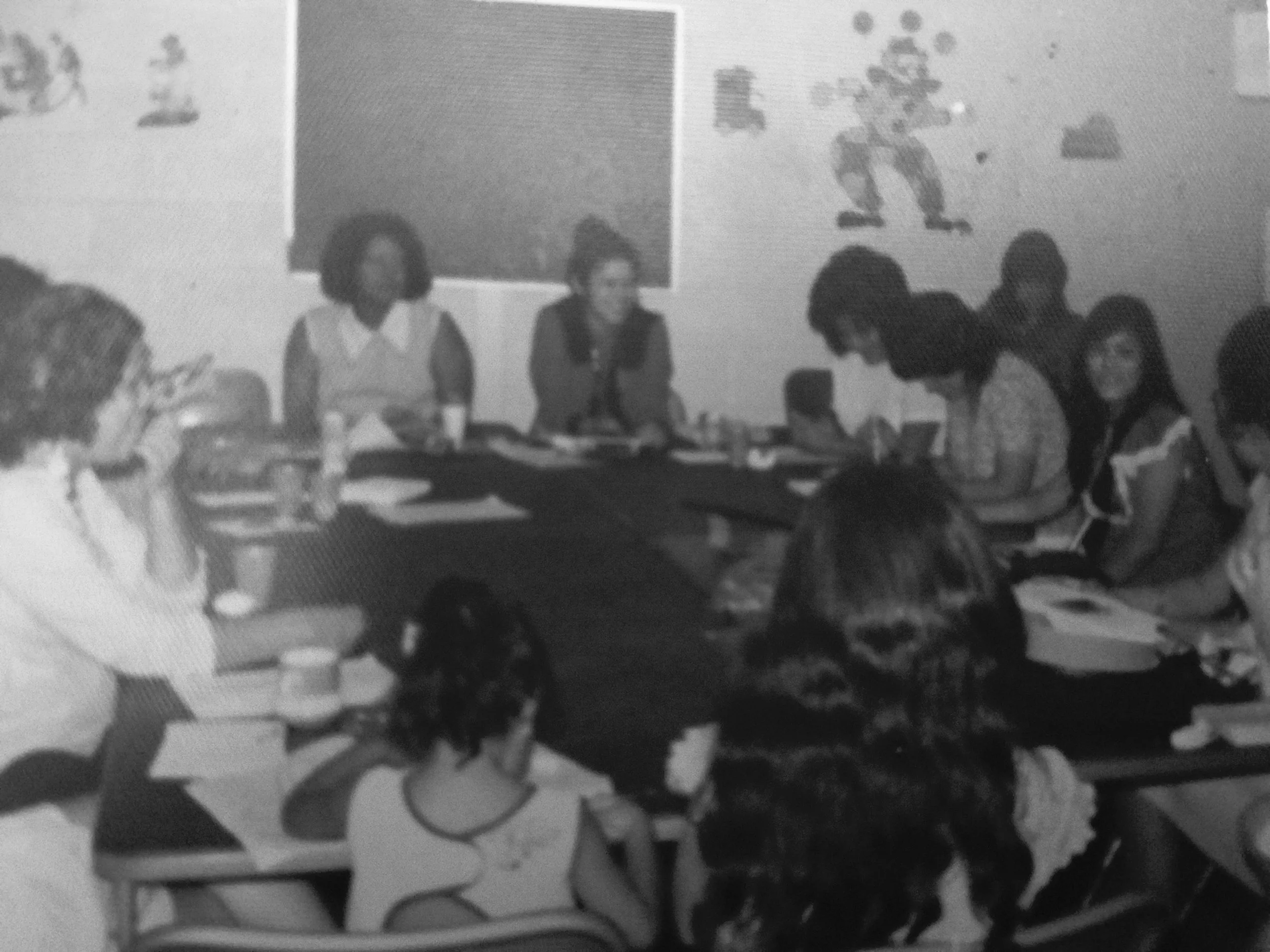
AVANCE provided a three-hour weekly class for 9 months that included classes in child growth and development, toy making, and invited speakers in health, mental health and social services. Home visits were used to record parent/child interactions with the toys they made for their children as well as provide one to one support and assistance to the family. Transportation and child care services were provided. Special activities included many fun, cultural and holiday celebrations. AVANCE was like earlier mutual aid programs, where important services were provided to newly arrived immigrants and where neighbors came together to support one another and their community. Parents were treated with dignity and respect and made to feel special at their formal graduation ceremony. Parents were encouraged to speak up and advocate for their community. At the time there were 1,000 children in the Mirasol housing project and not one swing. Parents went to City Hall and asked for and received funds for a playground structure and provided testimonials for continued funding for AVANCE. A community crime watch program was initiated to deal with the violence and crime. Trees were planted. After completing AVANCE, parents andchildren were connected to educational and job training services. Many parents became leaders of their community.
Carnegie’s one-million dollar research grant empirically proved that AVANCE changed knowledge, attitudes and behavior. An 18 year follow up study demonstrated a generational reversal: while 91% of the parents dropped out of high school, 93% of their children graduated from high school and half went on to college. In addition, half of the parents got their GED and half of these went on to college. This two-generation program positively impacted tens of thousands of lives throughout Texas and California. These parents had hopes and dreams for their children and for themselves, and became successful contributing members of society. Their knowledge, skills and attitudes were passed on to future generations, and the cycle of poverty ended for them as it had for Gloria’s family. Gloria’s sister Julia Garza also worked for AVANCE. Julia eventually rose to head the Del Rio Eagle Pass AVANCE chapters, and helped open the Los Angeles chapter as well.
Gloria was on the Founding Board of the National Family Resource Coalition (1982-1989), a group of family support and early childhood (0-3) programs in the nation, that organized to seek federal support for this pioneering field. (CCDP) Comprehensive Child Development Programs resulted, which eventually became early Head Start. The original AVANCE in San Antonio received one of the first CCDP $5 million grants.
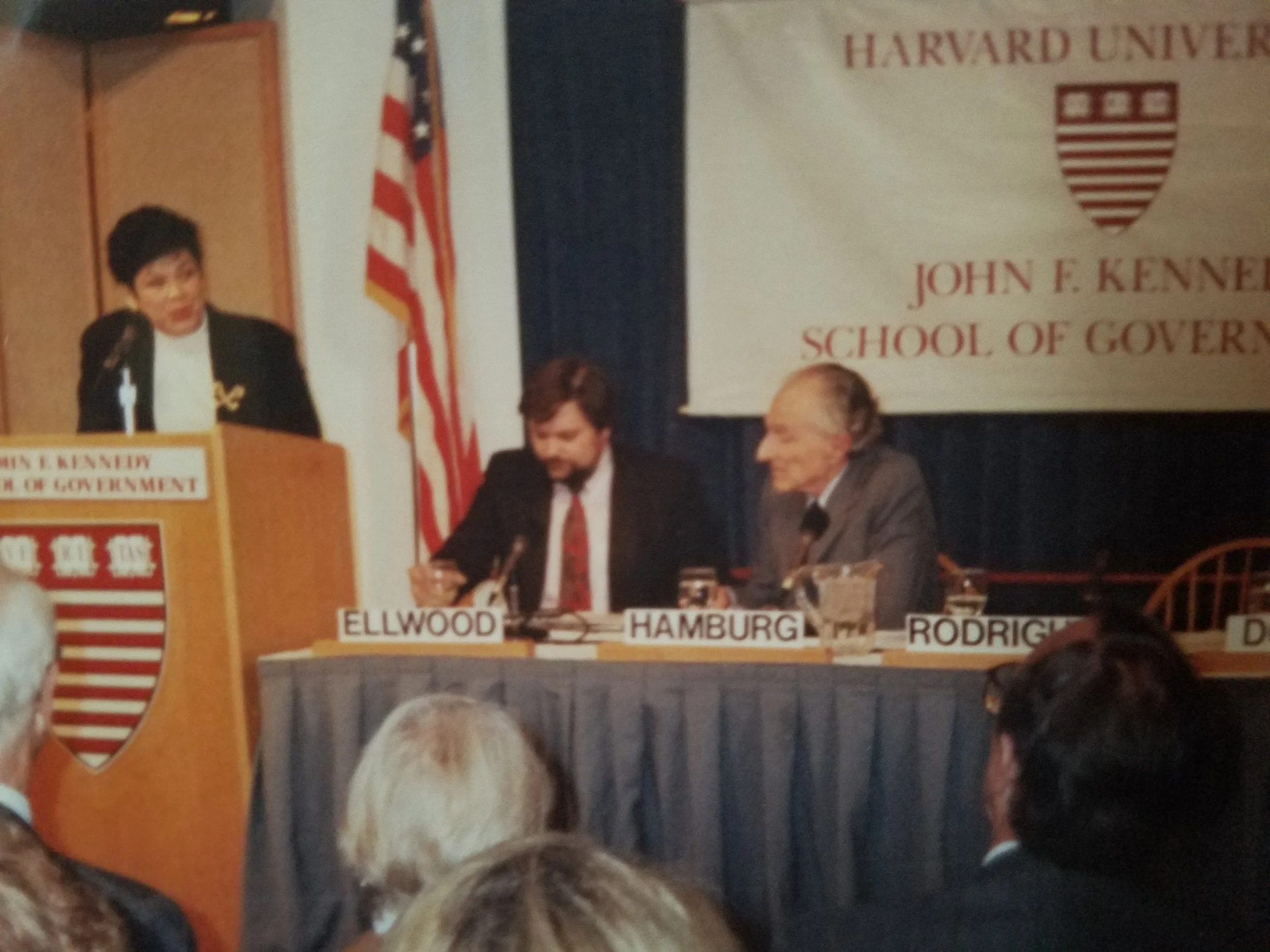
After his visit to AVANCE, Dr. David Hamburg, President of the Carnegie Foundation, presented testimony about his visit to the House Committee on Education and Labor. It resulted in the lead editorial and a feature story in the New York Times, which propelled immense interest to expand the AVANCE model to other poor Latino communities. Carnegie, Annie E. Casey, Kellogg, Mott, Hasbro, the Ford and Hilton foundations, helped support the development of the AVANCE National Headquarters to provide technical assistance to other communities and training and oversight to the Texas/California Chapters which were under one 501 (c ) 3. In addition, in 2005, Gloria led a successful $5 million capital campaign to restore the historic Heimann Building that became the location for the AVANCE National Headquarters. The building received the historic marker and the National Historic Preservation Award.
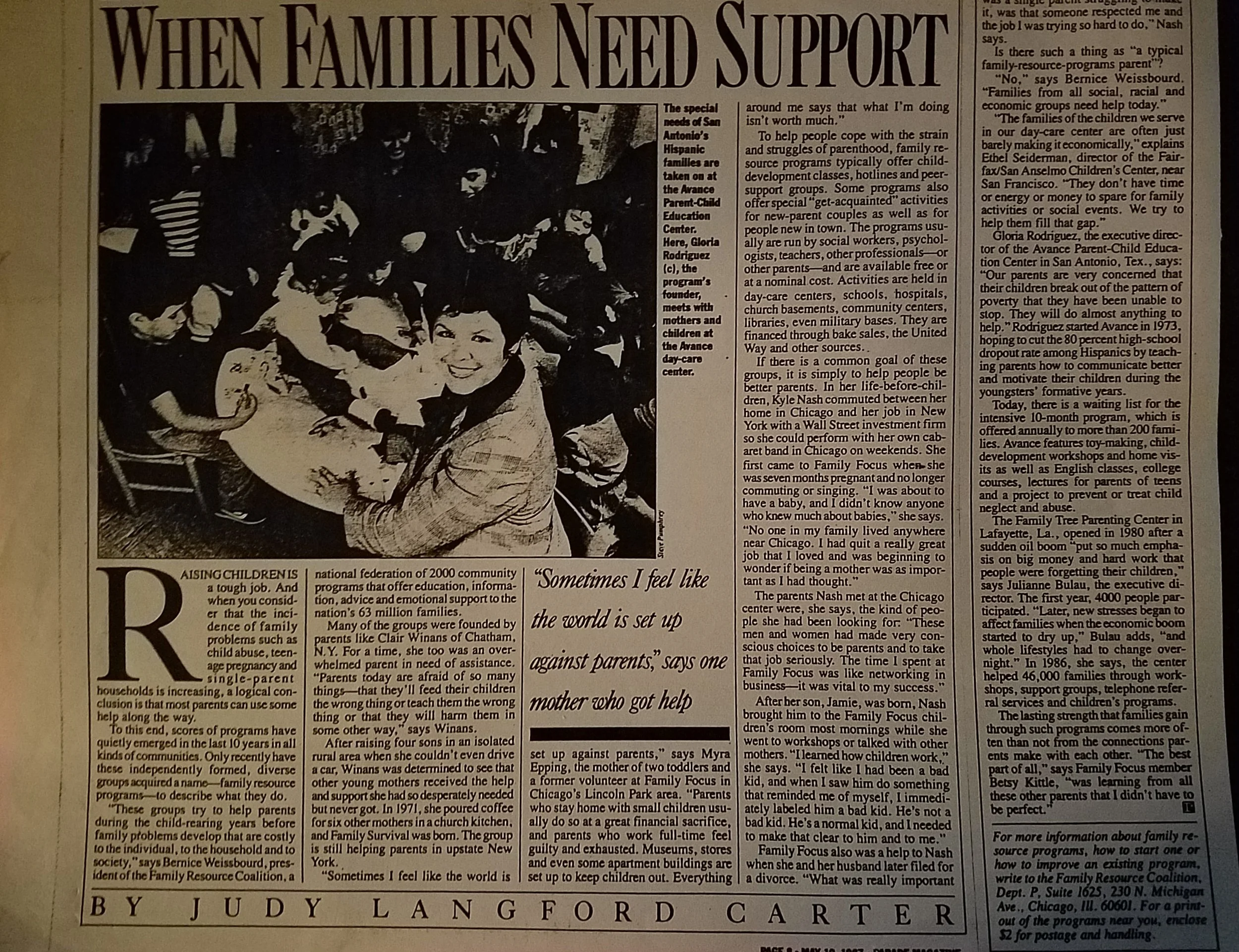
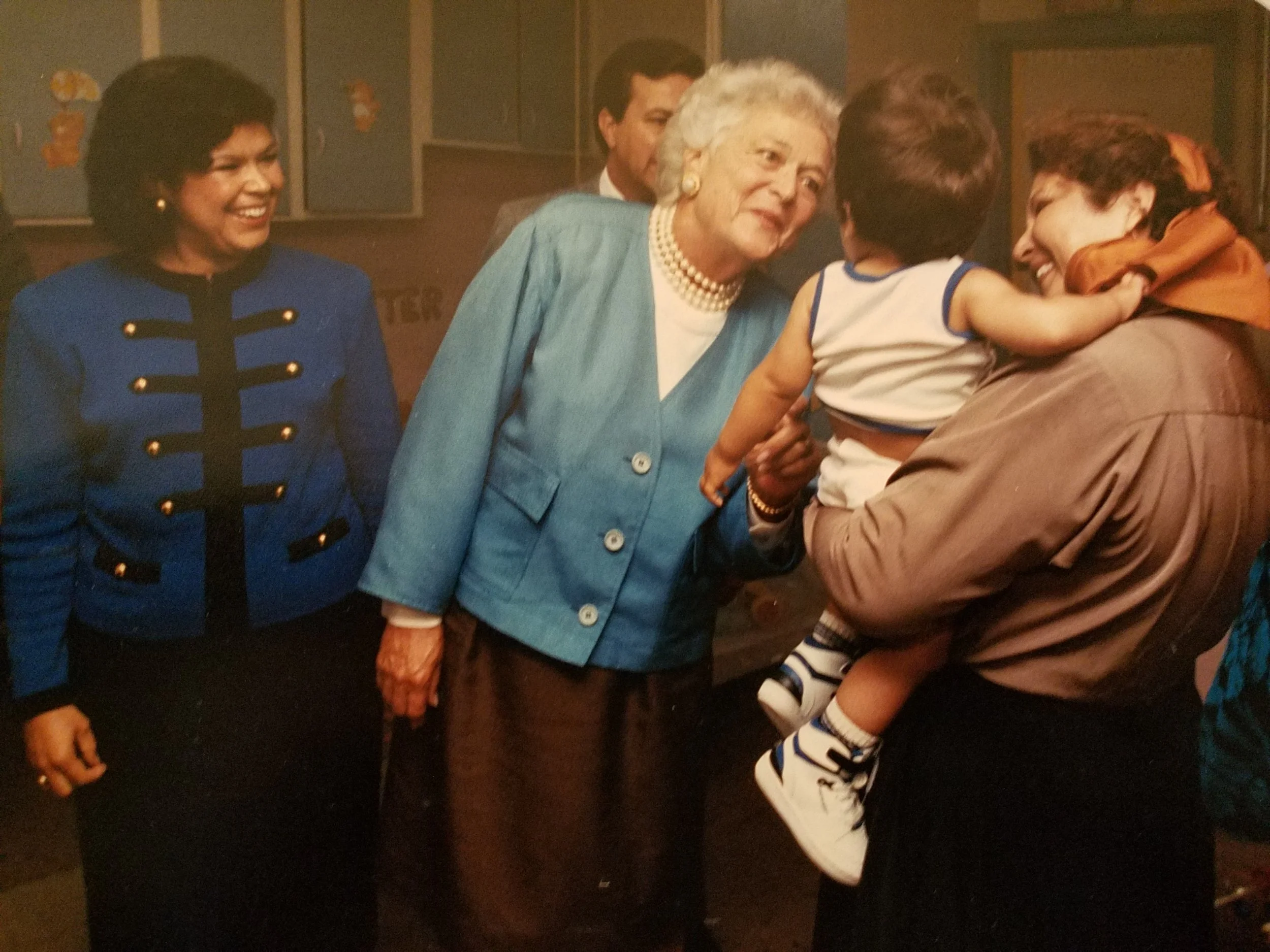
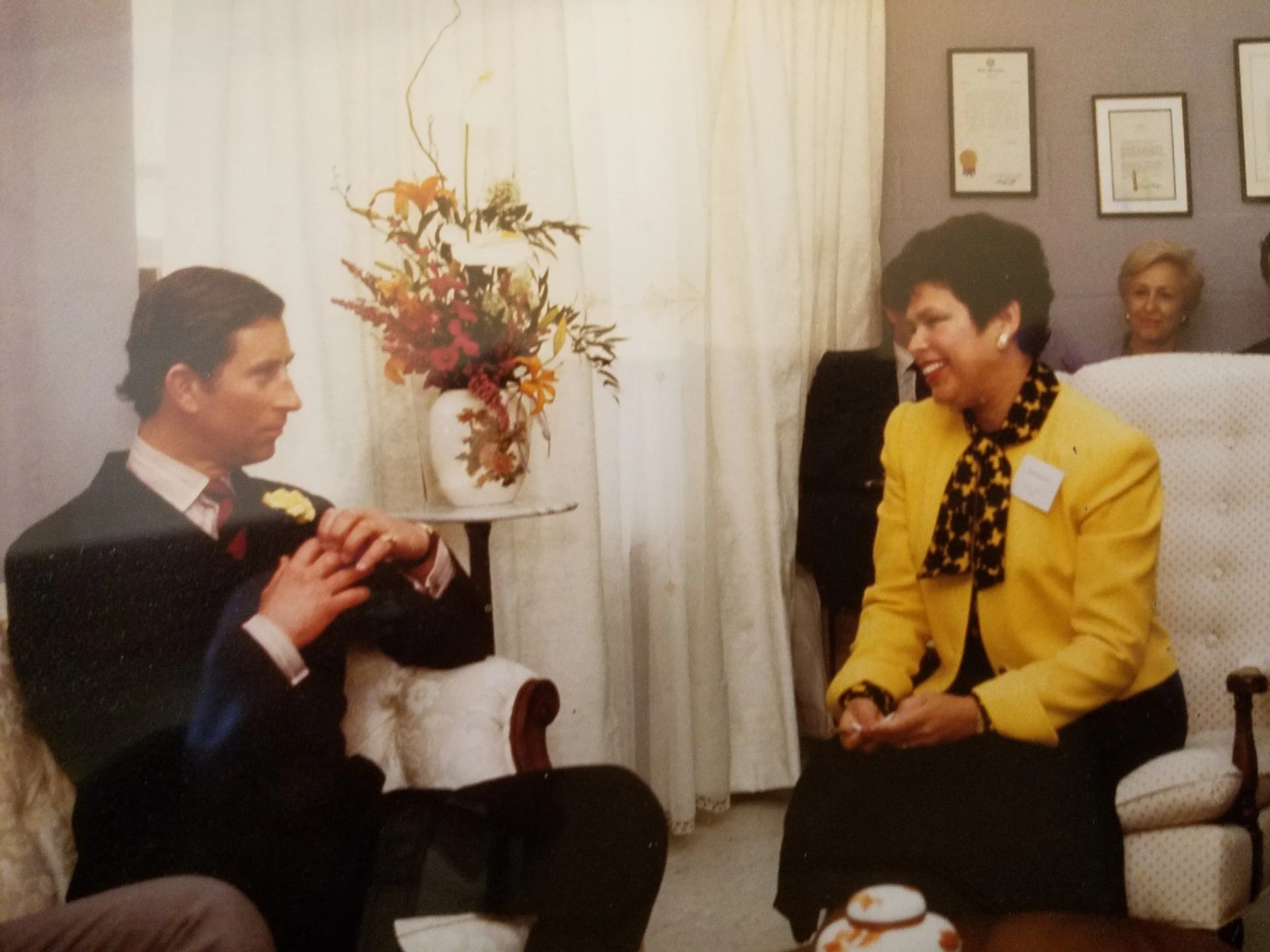
Because of her successful leadership and vision, her compassion, commitment, creativity and hard work, and that of similar dedicated employees she hired, (many of whom were from the community), AVANCE and Gloria received numerous awards and recognition. AVANCE was twice recognized as a national early childhood model at the White House (1997, 1998). Two fully grown children of AVANCE parents, one a teacher and the other an accountant, were introduced at the White House. Prince Charles (1986) and two First Ladies (Bush (1988 and 1989) and Carter (1999)) were among the more prominent dignitaries who visited AVANCE. AVANCE was featured in 3 First Ladies books (Bush (1989), Clinton (1996), Carter (1998). AVANCE was also recognized in numerous national publications, including the New York Times (3 times in 1988), ABC World News Tonight (1988), Good Morning America (1992) and Parade Magazine (1987).
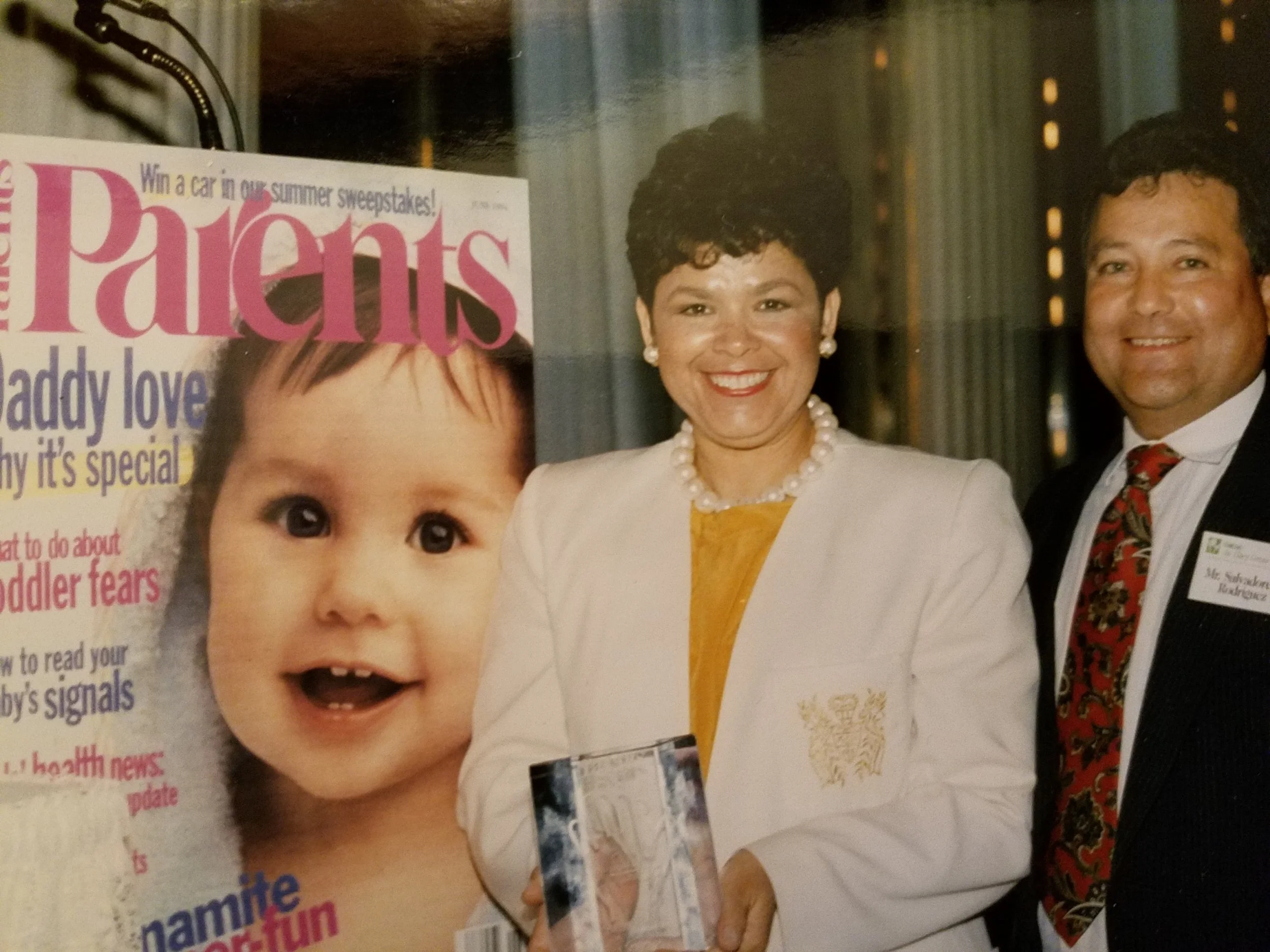
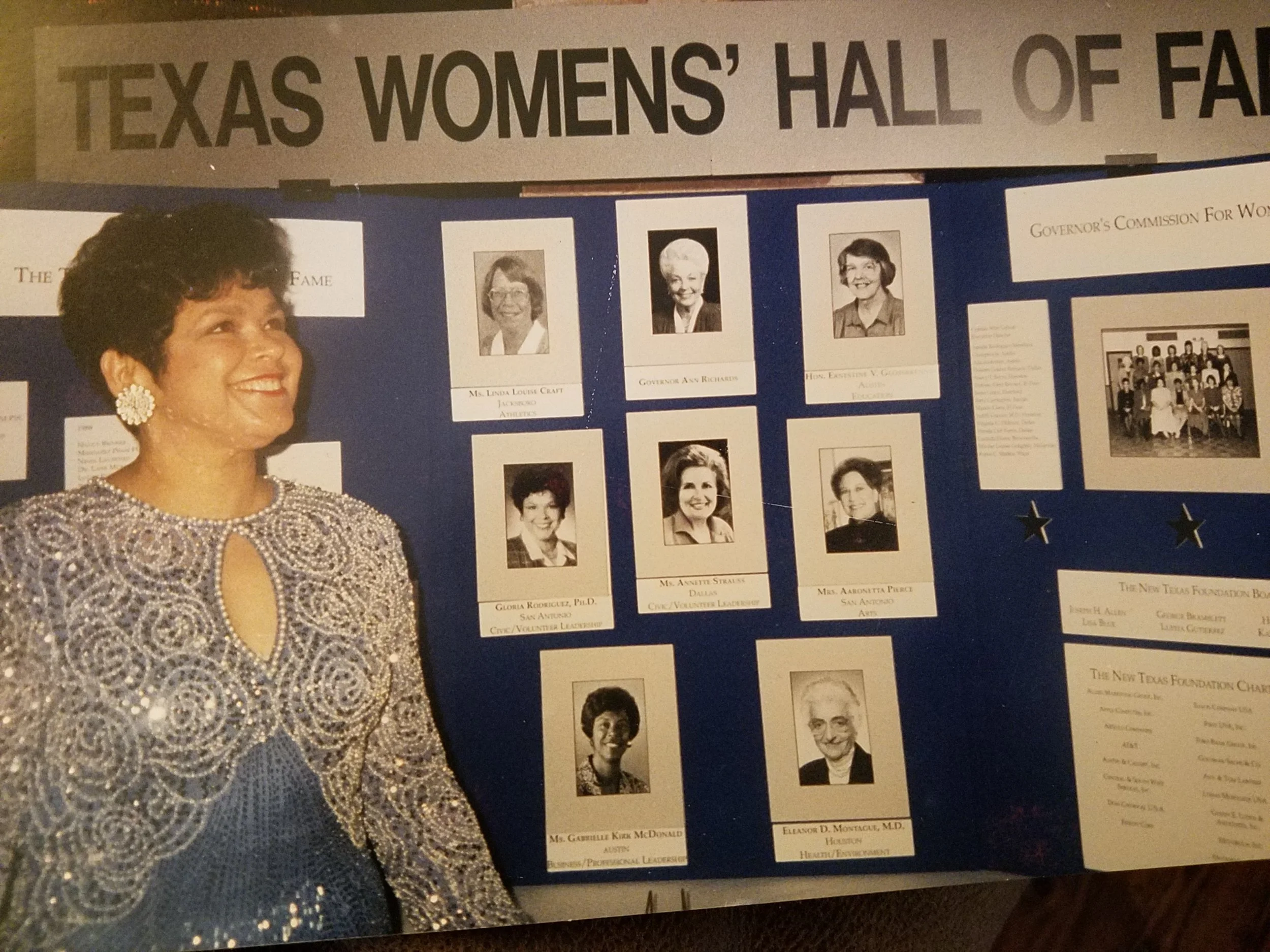
Gloria was inducted into the Texas Women’s Hall of Fame for Civic and Volunteer Leadership (1993), San Antonio Women’s Hall of Fame (1984), Leadership San Antonio (LSA) Hall of Fame (2000), Edgewood ISD Hall of Fame (1983), OLLU Outstanding Alumni of the Past Century, (1999). She was selected Woman of the Year by the San Antonio Light (1981). She received the National Attitude Award by Lifetime Television (1990); received the Social Action Award by Parents Magazine (1994); received the Hispanic Heritage Award in Education (2004), included in 100 Most Influential Hispanics by Hispanic Business (1988, 1997, 2004, 2005); Hispanic Magazine Awards (1997, 2000, 2005), was one of 25 Influential working mothers in Working Mothers Magazine (1998). In 2006, the year she retired from AVANCE, Gloria received the National Hispana Leadership Institute lifetime achievement MUJER AWARD for "justice, integrity, commitment, ethical leadership and for the deepest pride in her culture." In 2018, Gloria was recognized as one of “30 women over 300 years who built San Antonio and its quality of life” by the San Antonio Women’s Chamber of Commerce during the city’s Tricentennial Celebration.
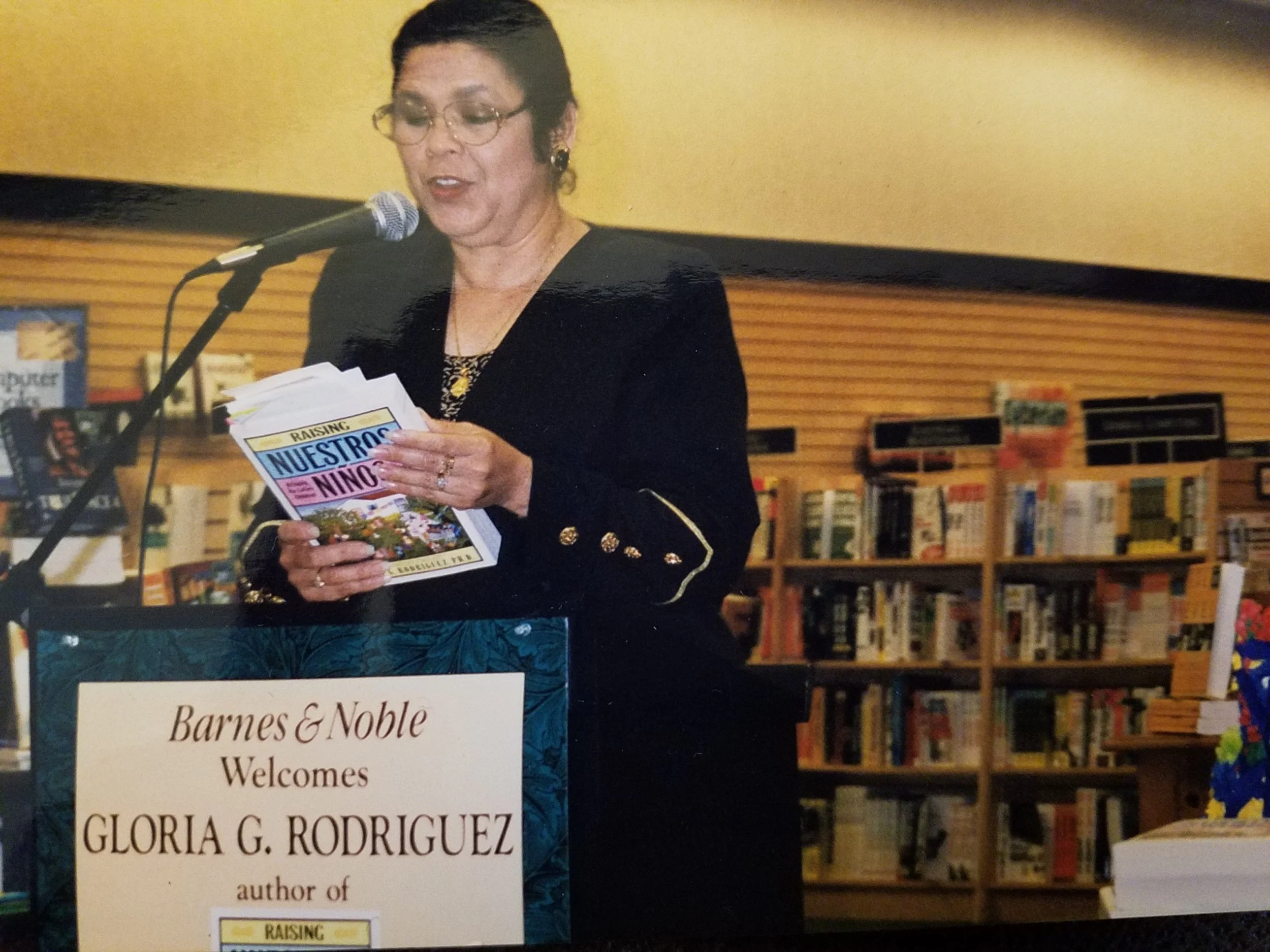
Gloria wrote a book entitled Raising Nuestros Ninos: Bringing Up Latino Children in a Bicultural World (Simon and Schuster, 1999) and was involved in numerous boards, commissions and U.S. Delegations including: by Presidential (Clinton) appointment, the President’s Advisory Commission on Educational Excellence for Hispanic Americans (1995-2000); Alternate Delegate to the United Nations Commission on the Status of Women 1994; US Delegate – Israel/US Women’s Health Conference in Jerusalem (1998); US Delegate, French/American Child Family policies in France (1989); she served on the Christian Children’s Fund International Board (1993-1998), and is on the Founding Board of MACRI, National Center on the History of Mexican American Civil Rights (2019 - present).
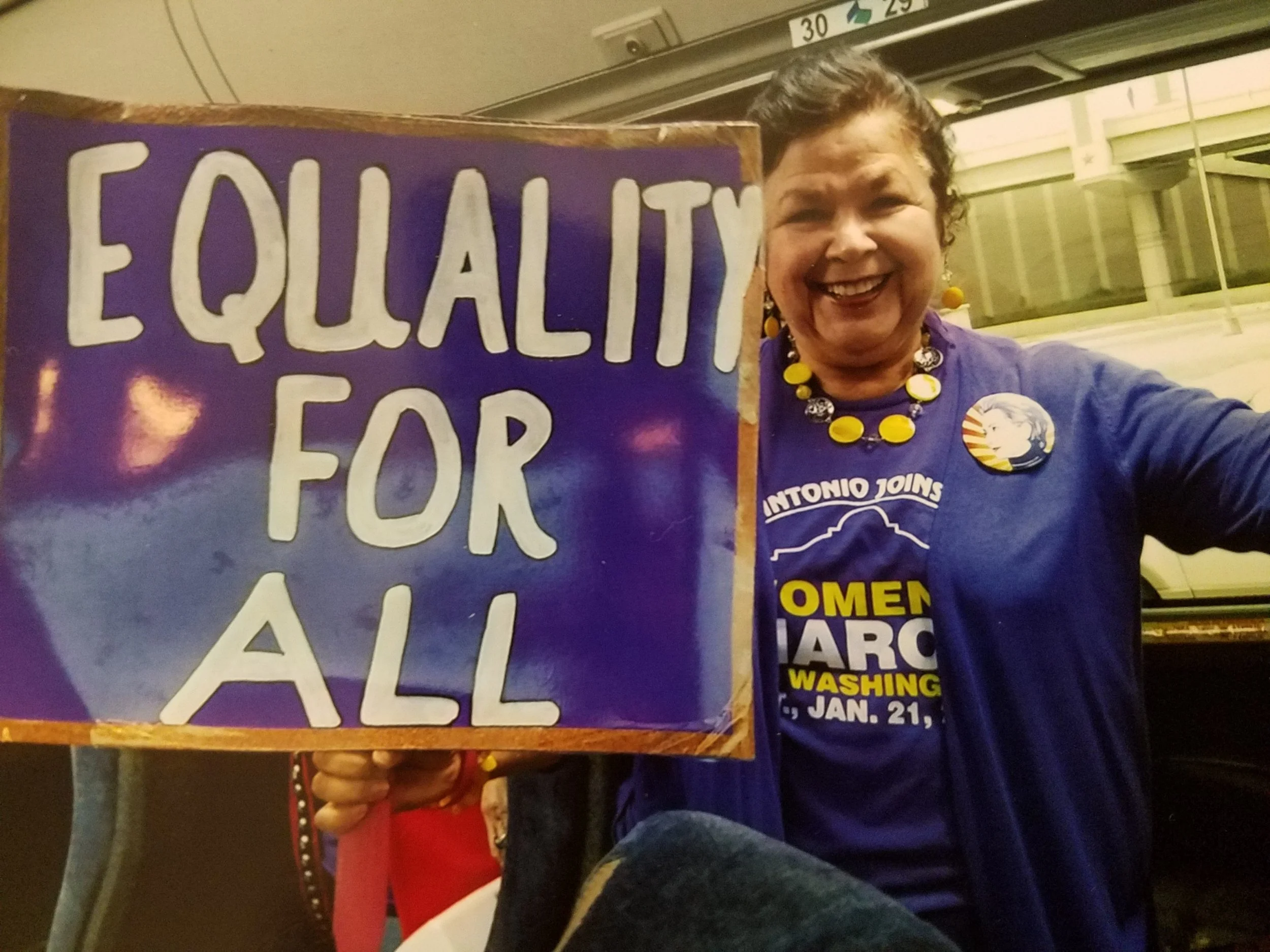
Since Gloria retired from AVANCE, she has been involved and has spoken up on civil rights and social justice issues. She has advocated for ethics reform in politics by being on the Common Cause Board and serving on the Mayor’s Charter Review Board. She has joined her daughter Vanessa in numerous protest marches, political rallies and at the 2016 Democratic Convention.
Gloria received her Doctorate Degree in Curriculum and Instruction and Early Childhood Education from UT of Austin (1990) and an Honorary Doctorate from Willamette University (2012). Some of her work is archived at the Eugene Barker Texas History Center at U.T. of Austin (1989).
Gloria tried to balance family, work, community, while being a mother of three, running a multi-million nonprofit organization, getting her doctorate, writing a book and traveling extensively. She considered her leadership role at AVANCE challenging, extremely rewarding, and very fulfilling, having affected so many lives and improved so many poor communities. In June of 2022, Gloria will be married 50 years to her greatest companion in her life’s journey, Salvador Rodriguez. She states that without her husband’s tremendous support and encouragement and God’s strength, guidance, and timely provision, her calling and mission in life would not have been fulfilled.





-
Gonzalez, Gabriela. “Carolina Munguía and Emma Tenayuca: The Politics of Benevolence and Radical Reform.” Frontiers: A Journal of Women Studies, 24, No. 2/3, Gender on the Borderlands (2003): 200-229.
Munguía Family Papers, Benson Latin American Collection, University of Texas at Austin.
Orozco, Cynthia E. "MUNGUIA, CAROLINA MALPICA," Handbook of Texas Online. Texas State Historical Association. Accessed July 16, 2020. http://www.tshaonline.org/handbook/online/articles/fmusq