Isabel Casillas Sánchez
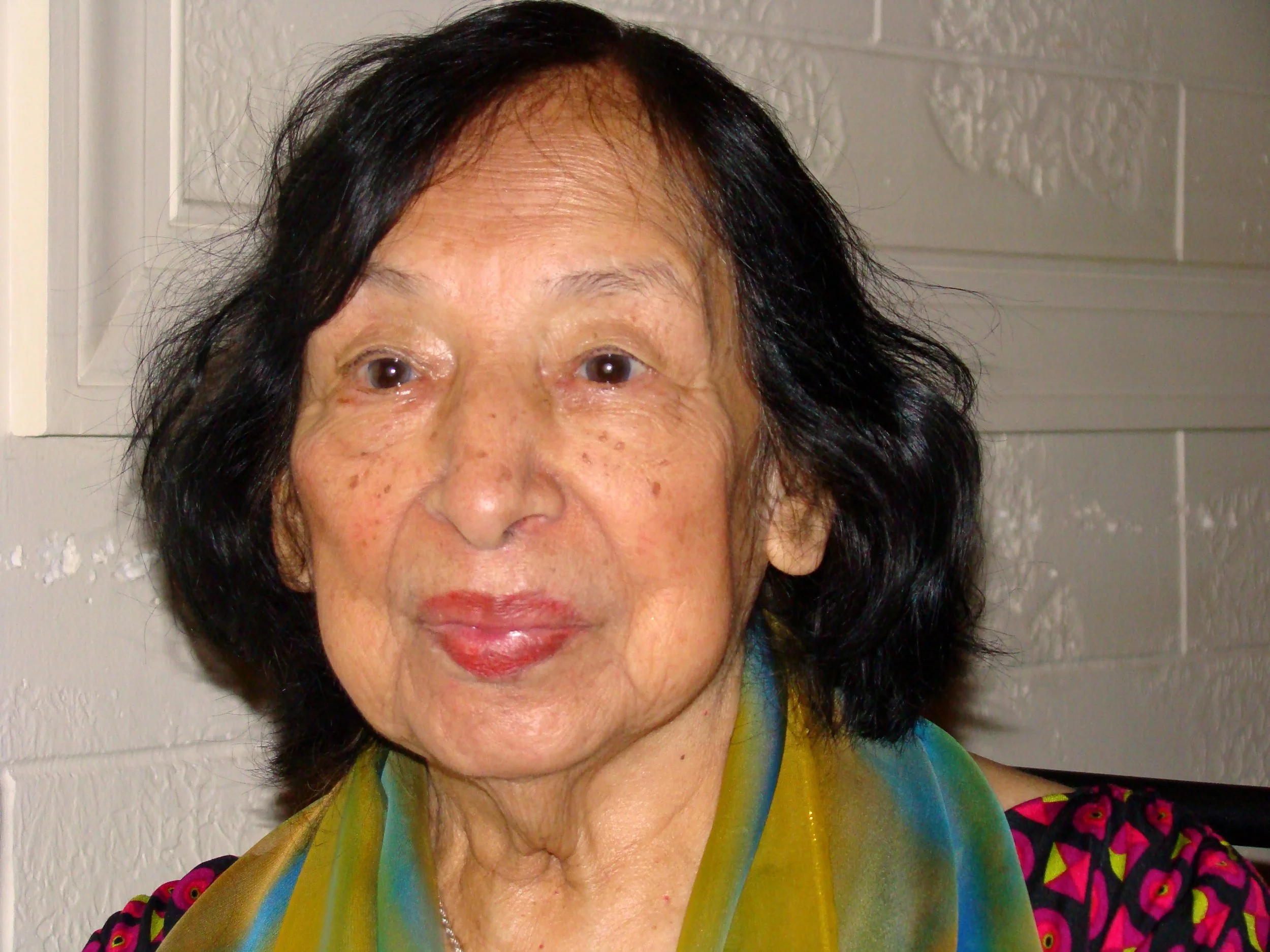
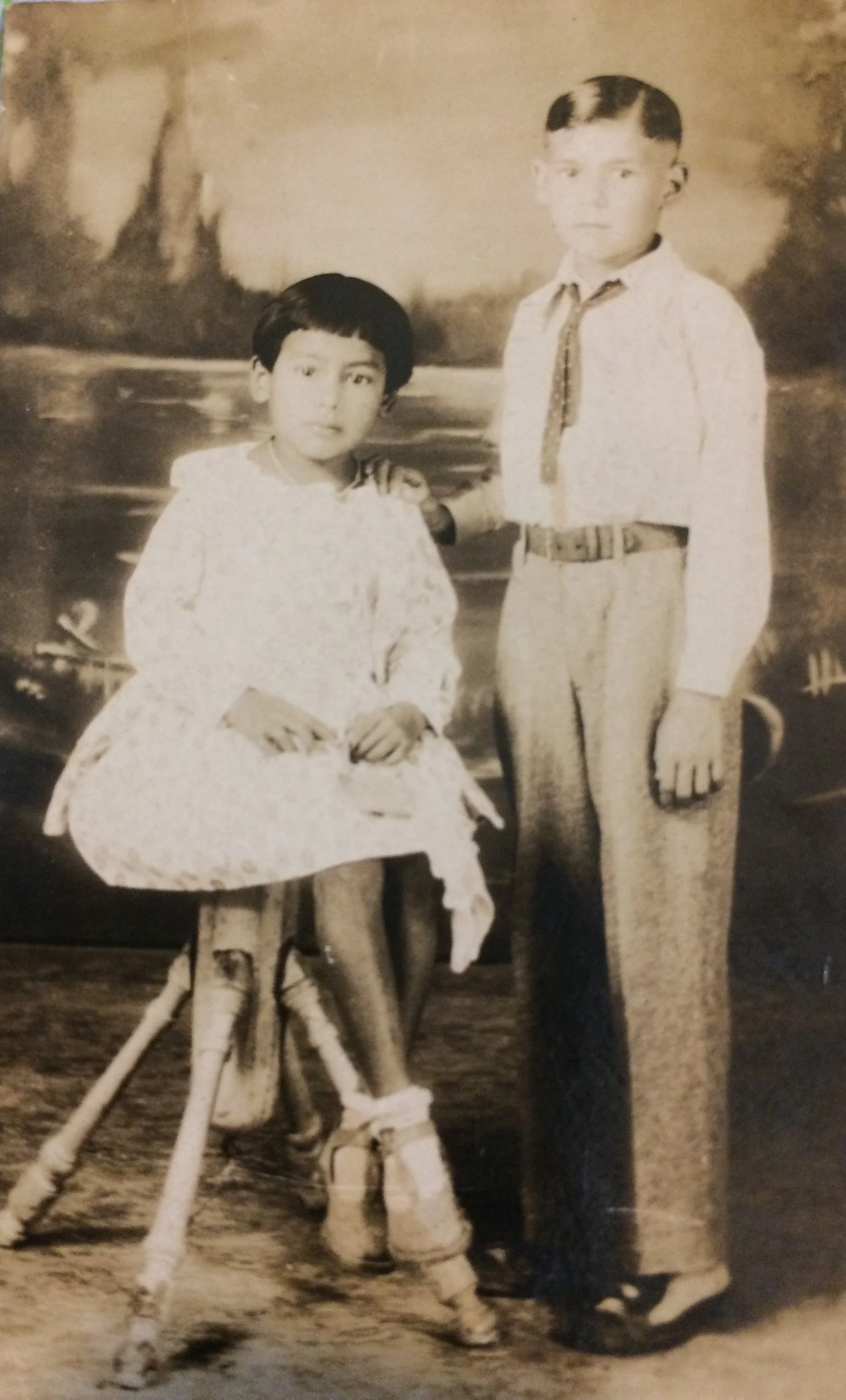
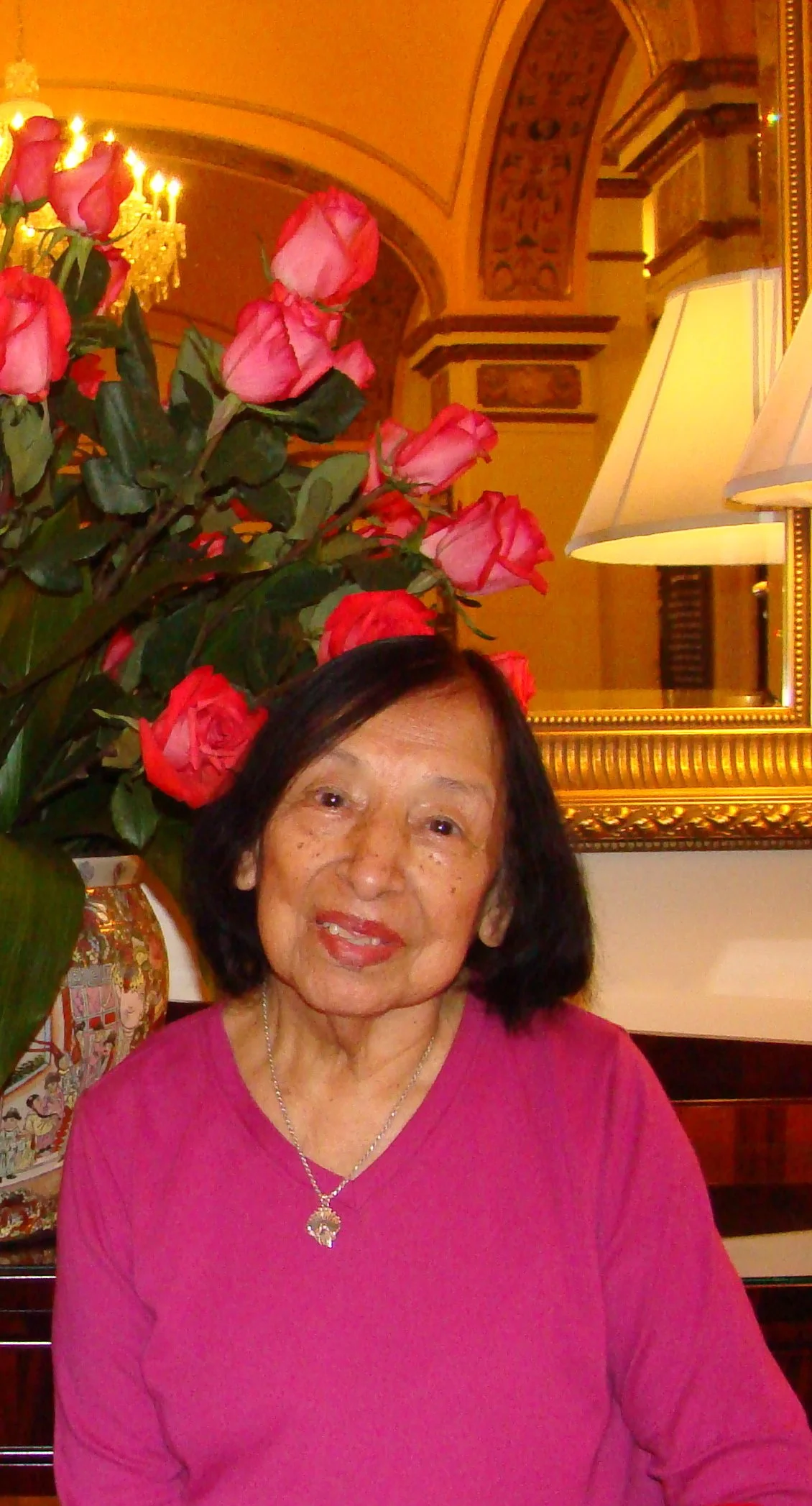
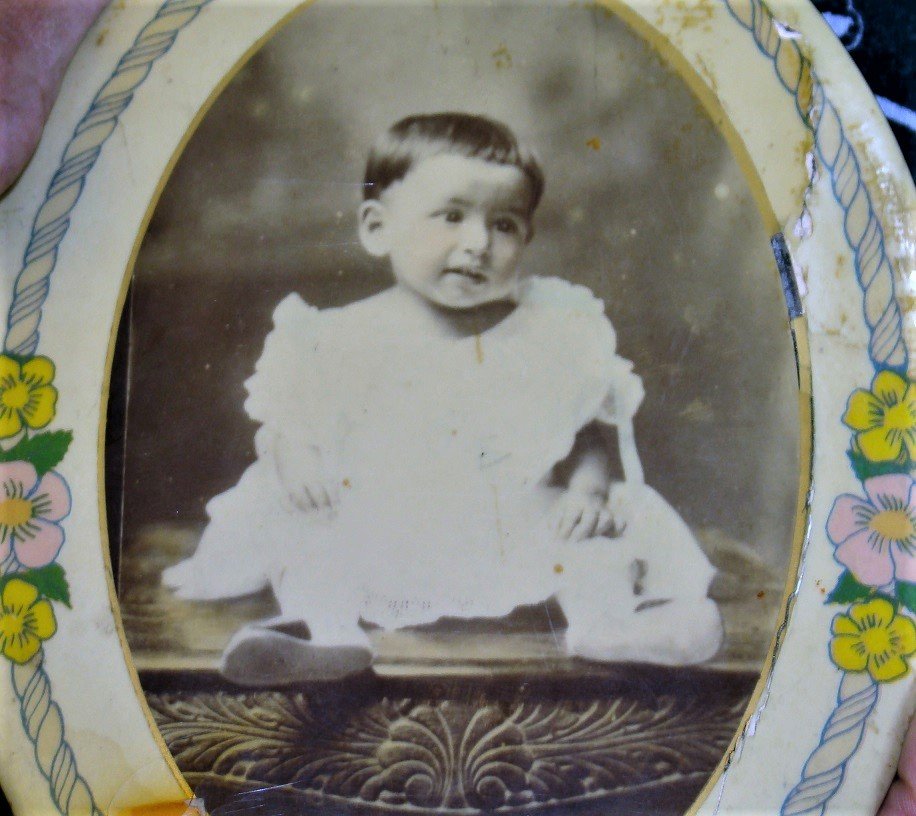
Isabel Sánchez , undated. Courtesy of Graciela Sánchez y familia.
“Soy Mexicana nacida en Tejas. (I am Mexican born in Texas.) God gave me a gift; I think it’s a gift that I like people. People ask me for help, they tell me things. I’m still volunteering at school. The little I do, I do it because my husband has always supported me. I’m a mother and a grandmother and a great-grandmother.”
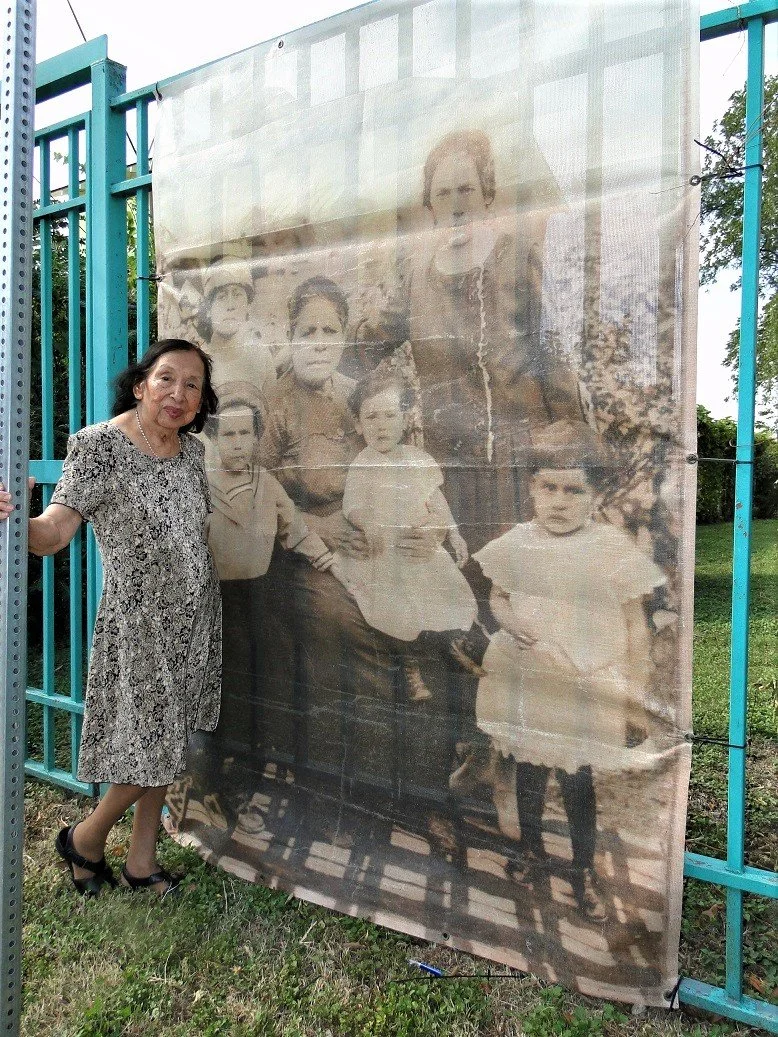
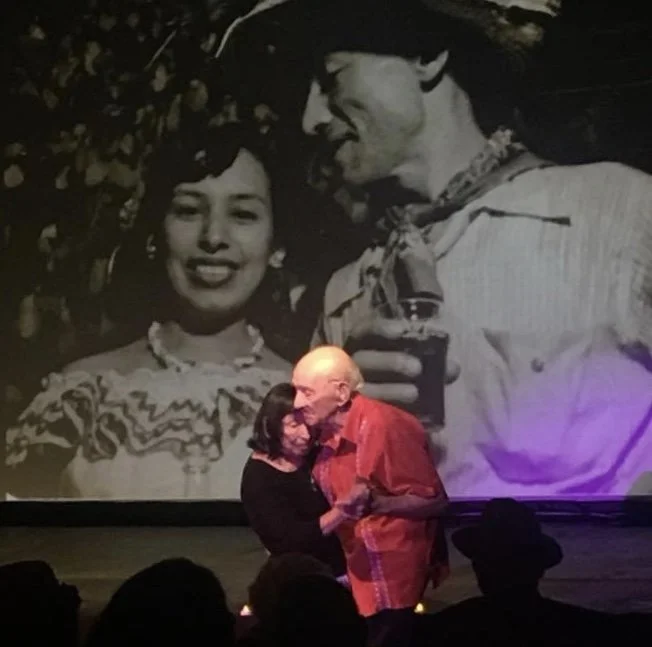
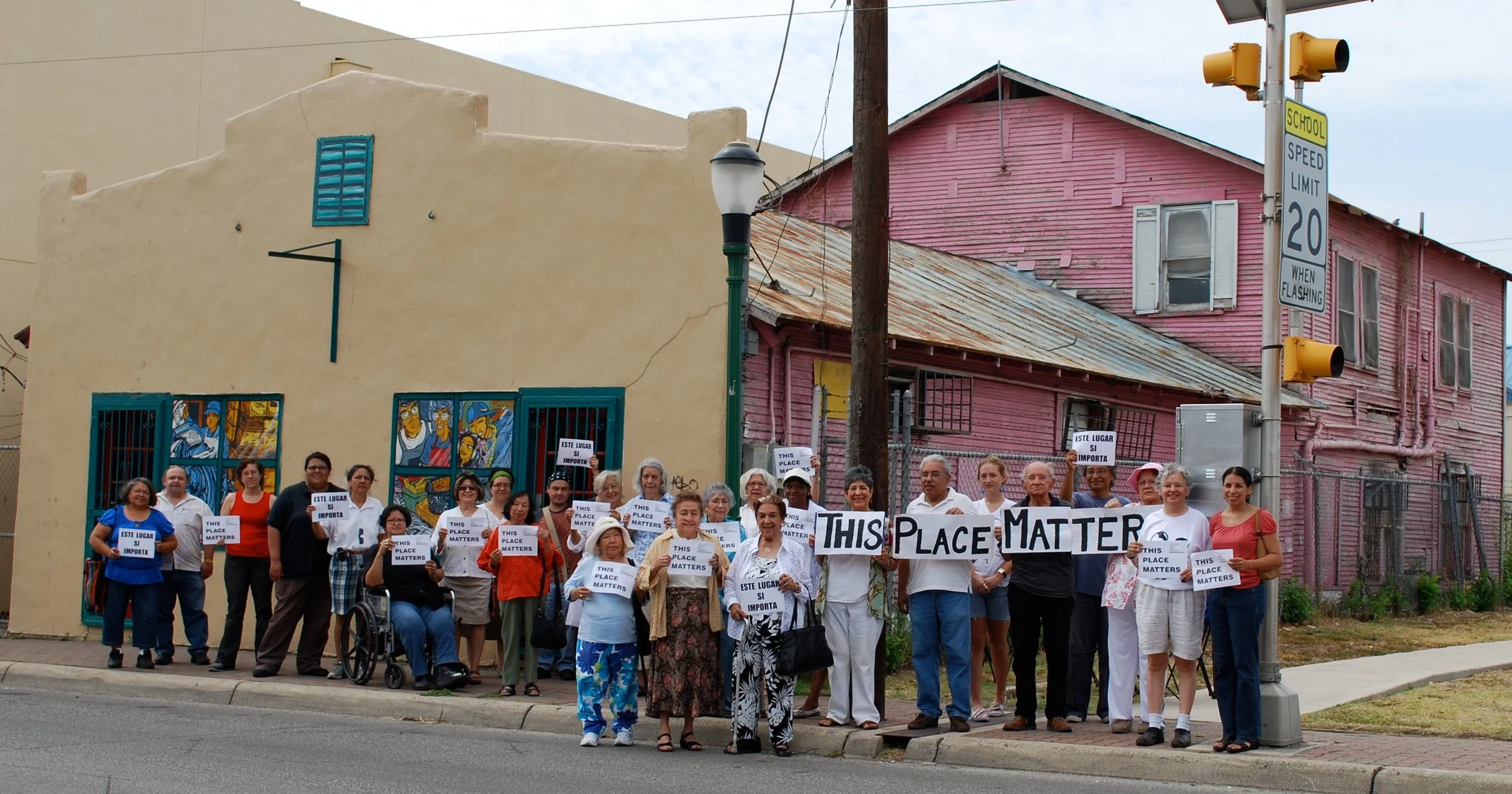
Isabel Sánchez with her family's photo banner, part of the Westside Fotohistorias project of the Esperanza Peace and Justice Center, Courtesy Graciela Sánchez y familia
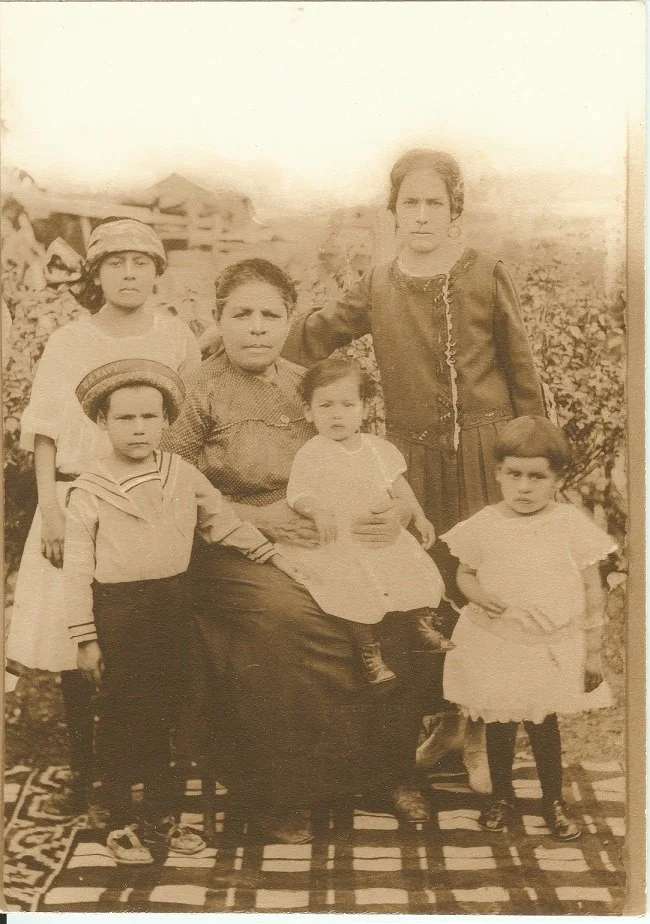
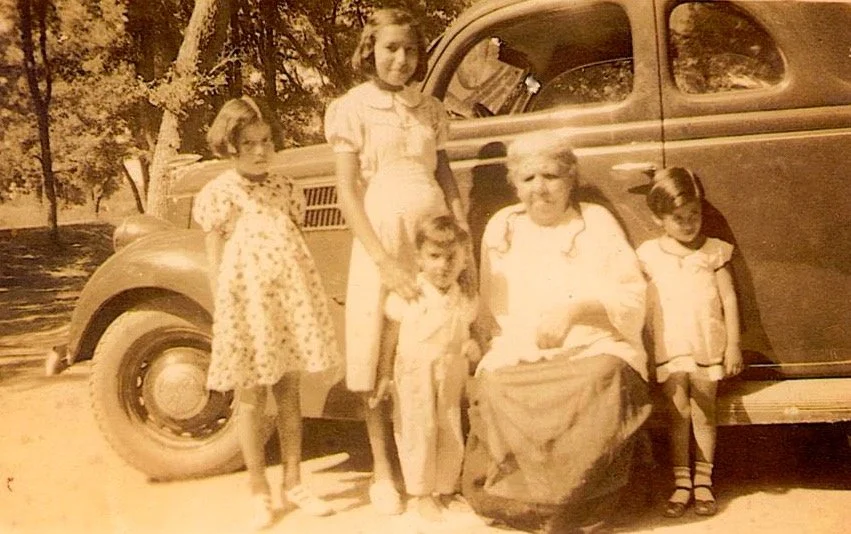
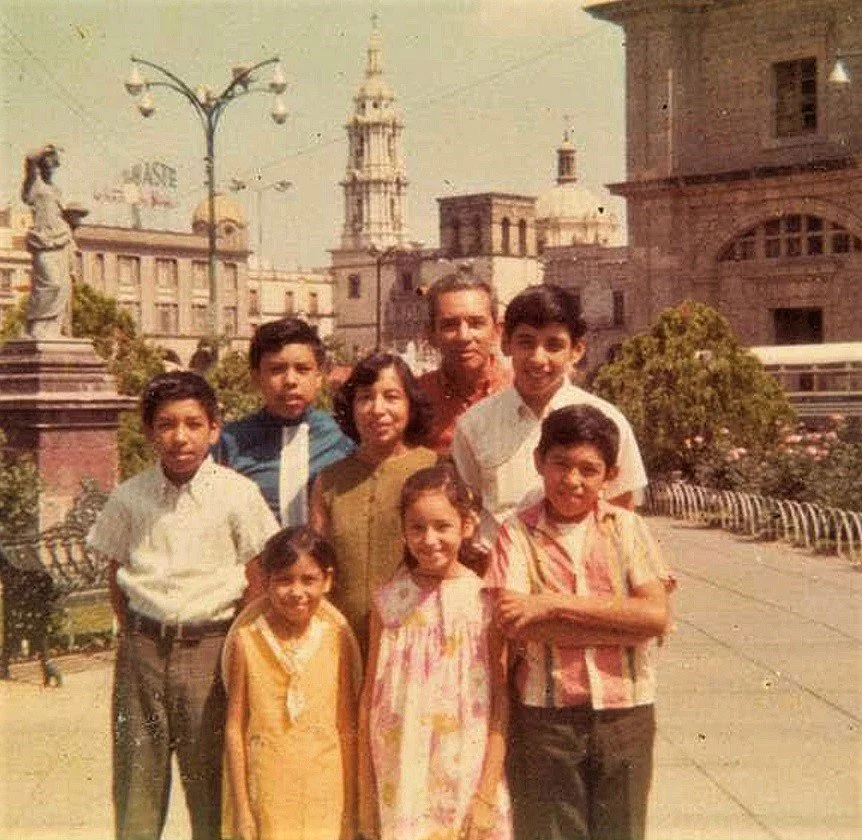
Isabel Casillas with family, circa 1924, Courtesy Graciela Sánchez y familia
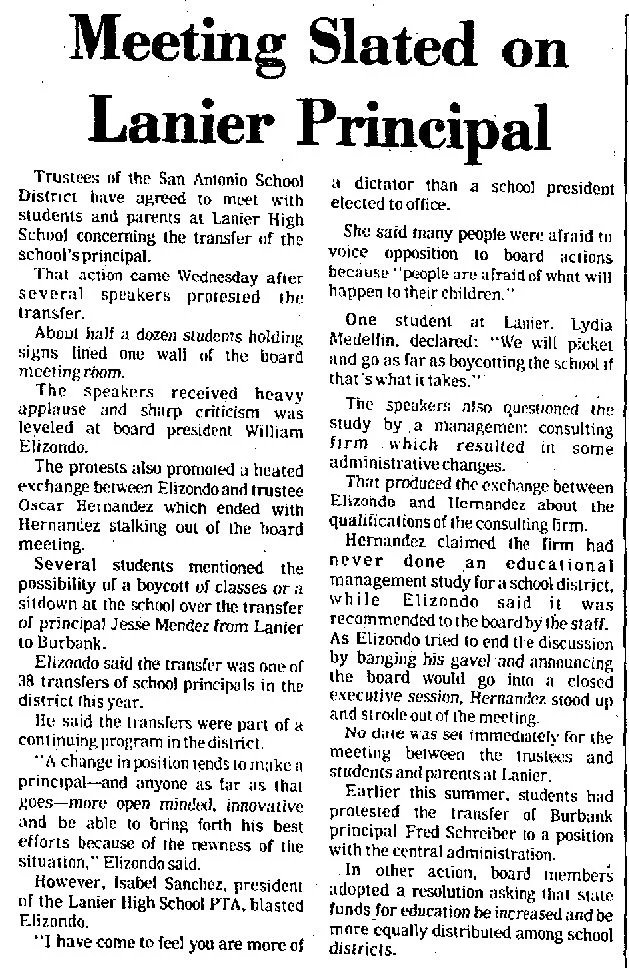
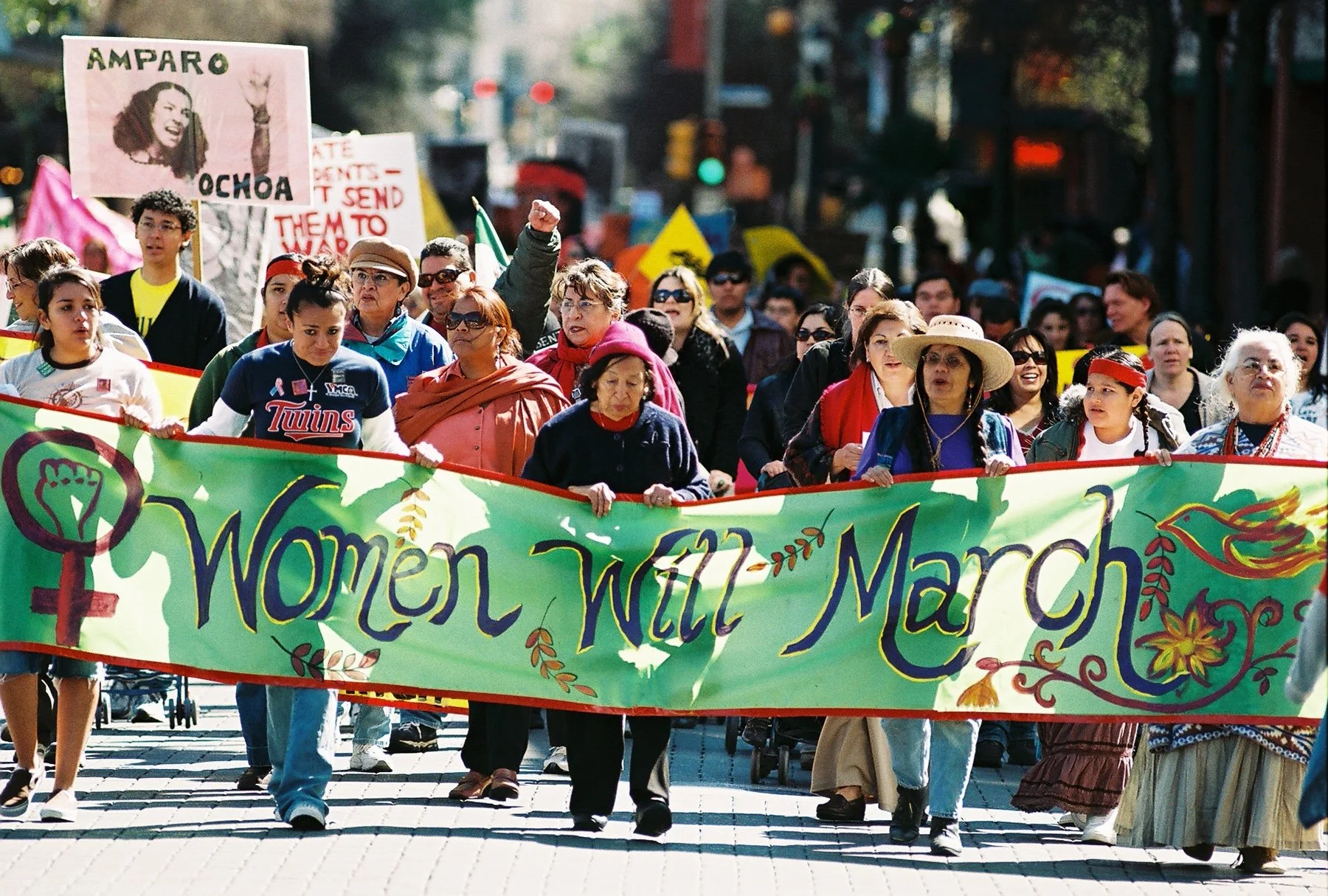
Isabel Sánchez protests Lanier principal, July 14th 1977, Courtesy Graciela Sánchez y familia
Neighborhood and Education Activist
1923–2021
Graciela Sánchez, daughter of Isabel Sánchez, shares this remembrance of her mother:
Isabel Sánchez was born on July 1, 1923 and she was raised by two strong women, her mother Francisca Gonzalez Casillas (1893-1973) and her grandmother Teresa Cantú Rocha (1864-1947). From these two strong women, she learned the values of love, honesty, community, hard work, courage, respect, and justice. From her grandfather Sebastian Rocha and her father Dionicio Casillas, she learned the joys and power of unconditional love.
Teresa was a business-woman. Living in Laredito with her husband and adopted daughter Francisca, Teresa ran a business selling food and drink at Military Plaza and, later, Plaza de Zacate. The Mexican-American Laredito neighborhood was demolished by the flood of 1921 Like many other Mexican-Americans living in the historic barrio Laredito, the family lost their home and business in the flood of 1921. Teresa and Sebastian Rocha moved to the Westside in 1924, building a house at 1507 Chihuahua and caring for Francisca’s eldest children, Gilberto and Alejandro Benavides.
Francisca, who apparently was living in Oklahoma at the time of the flood, returned to San Antonio, and by 1926, she and her young children were living on the northern half of the Rocha’s lot at 910 Santiago. Although Isabel had been born a couple of blocks away, it was the home at 910 Santiago where Isabel spent most of her childhood. And with the exception of two years living in Chicago as a newlywed, Isabel has spent all of her 97 years living in the half-block area of Santiago and Vera Cruz. This is part of the near Westside, in the neighborhood south of Guadalupe St. and north of the Apache creek. Claimed by wealthy white San Antonians during the late 1880s, the Westside was the area designated for Mexican and Mexican Americans. Racially segregated and economically stranded through redlining, which lasted from 1930 through the 1970s, the community has always been working class and working poor. When Isabel was a child, most of the streets in the near Westside were dirt roads, while all of those downtown and northside were paved. Most of the houses were built by laborers hired by various lumber companies (Guadalupe Lumber Company, Richey-Kirby Lumber Company, and others) or by resident families themselves.
Isabel’s mother Francisca worked alongside her husband Dionicio Casillas to make ends meet. She cleaned homes, washed laundry, and ironed clothes for white women. Francisca also cleaned the home of the sister of Dr. Aureliano Urrutia. One day, Dr. Urrutia visiting his sister and seeing Francisca’s skills, took her to clean his office. Eventually, working for Dr. Urrutia became Francisca’s full-time job. In addition to cleaning, she worked as a nurse’s assistant to Dr. Urrutia. Because of the knowledge she gained working for the doctor and her unwavering generosity, Francisca was often called upon to render care to her Westside neighbors, bringing children to life and accompanying those close to death.
Although racially segregated and economically isolated from the rest of San Antonio, the Westside of Isabel’s childhood was still plagued by a virulent color-bias within the Mexican-American community. Isabel remembers her mother being told “Oh no, that can’t be your daughter, she is so dark!” Neighbors telling her “Well, of course Dionicio is not your real father,” and other children telling her that she is too “ugly” to ever get married. Isabel survived these insidious attacks because her mother told her that they were totally false, ignorant, and mean, but they did hurt and did weaken Isabel’s self-confidence, making her activism as an adult all the more courageous.
The Westside, already poor, was hard hit by the Depression. Some families left to find work in Mexico. Many others lost their homes to foreclosure, among them Isabel’s recently widowed abuelita Teresa who then moved to live with her daughter and her family. Isabel felt fortunate though. She recalls, with some embarrassment, that her teacher began each day asking the children what they had eaten for breakfast and that she was often the only one reporting that she had eaten an egg, supplied by her family’s chickens.
Moreover, Francisca managed to keep the house at 910 Santiago. Isabel remembers that one day during the Depression a white man came to the house and told her mother that she and her family had to move out because she had failed to make a payment on a loan. Francisca responded calmly yet courageously: “I will pay you as I can, sir, but you will not put me out until you come here with a court order telling me I must get out.” Within a few years, Francisca and Dionicio were able to pay that debt and to get out from under the lien on their house.
Isabel Sánchez, my mother, definitely inherited or learned her mother’s steady courage. One of the dearest and most impactful moments of my life was watching my mother testify in court in about 1980, when I was about 20. The City had adopted new “Beautify San Antonio” ordinances and my parents had been cited by Code Compliance for having an unused car to be parked in their driveway. The citation required my parents to pay a fine of several hundred dollars and to either repair or remove the car. Mom wanted to challenge the citation and asked for my opinion. I said I would support her in any way I could and if she wanted to go to court, I would go with her. So we went to the Municipal court house and waited for our case until our case was called. The judge asked my mother if she wanted a jury trial or one that he as judge would rule on. We decided to take our chances with the judge and before we knew it, Mom was on the stand testifying about the situation that we faced with such a frivolous citation and heavy fine. Why, she asked, did the City waste time and money harassing her and her neighbors with exorbitant tickets, when instead, the City should offer help to solve the many problems burdening her community, and especially the children of her community. To me, it was like watching James Stewart in Mr. Smith Goes to Washington. My mother gave a compelling and tear-jerking speech that reached the hearts and minds of every person in court that day. And the judge heard her. Rebutting a city attorney determined to win, the judge found a loophole allowing him to rule in my Mom’s favor.
Afterwards, in the hallway outside the courtroom, people who had seen her testify approached and thanked her. A newspaper reporter came up and interviewed her and there was a story in the local paper the next day! Isabel Sánchez showed me that challenging injustice was a priority and that even a petite, dark skinned woman from the Westside of San Antonio could challenge and win against unjust laws that hurt our gente.
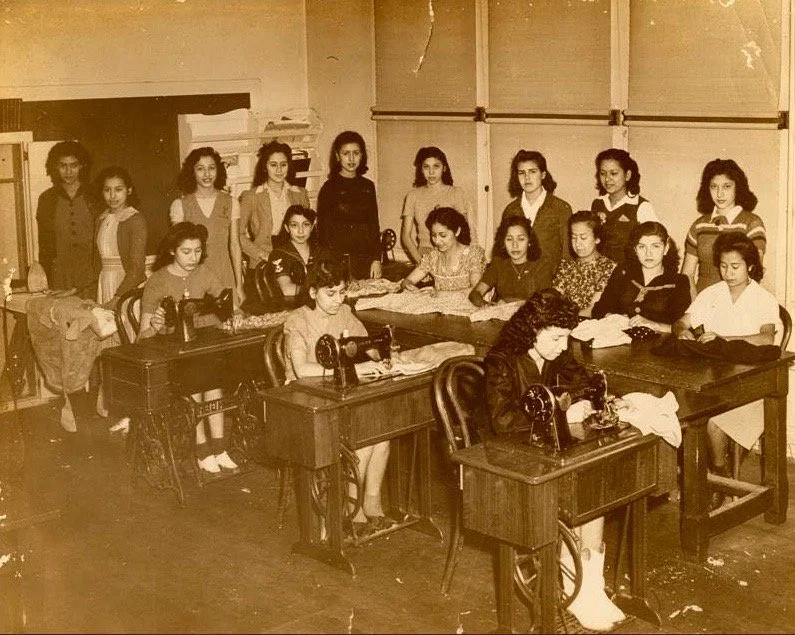
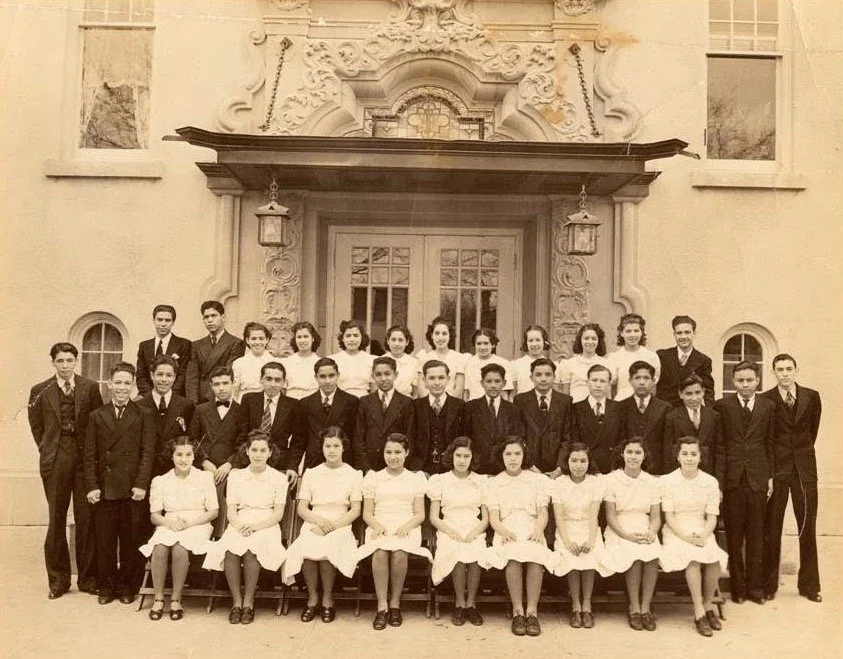
Isabel’s mother and grandmother also taught her to value education. Even though Francisca had to leave school after the third grade, she made sure her daughter Isabel focused on her schooling. Francisca didn’t require her daughter to cook or clean the house. Instead, she insisted and gifted her daughter to enjoy life, to play, visit with family and friends, go to church and above all, finish school. Mom attended Barkley Elementary and then Lanier Junior and High School. She was a member of the Lanier Honor Society and graduated from Lanier High in 1942.
My mom followed her mother’s approach to raising her two daughters. Growing up in the late 1960s and 1970s, my sister and I would play with the neighborhood kids until Dad came home. But all the other girls left early to help their mother’s clean up the house and prepare dinner. I am grateful to my mother and grandmother—my sister and I did not grow up thinking that we were expected to take care of the men folk.
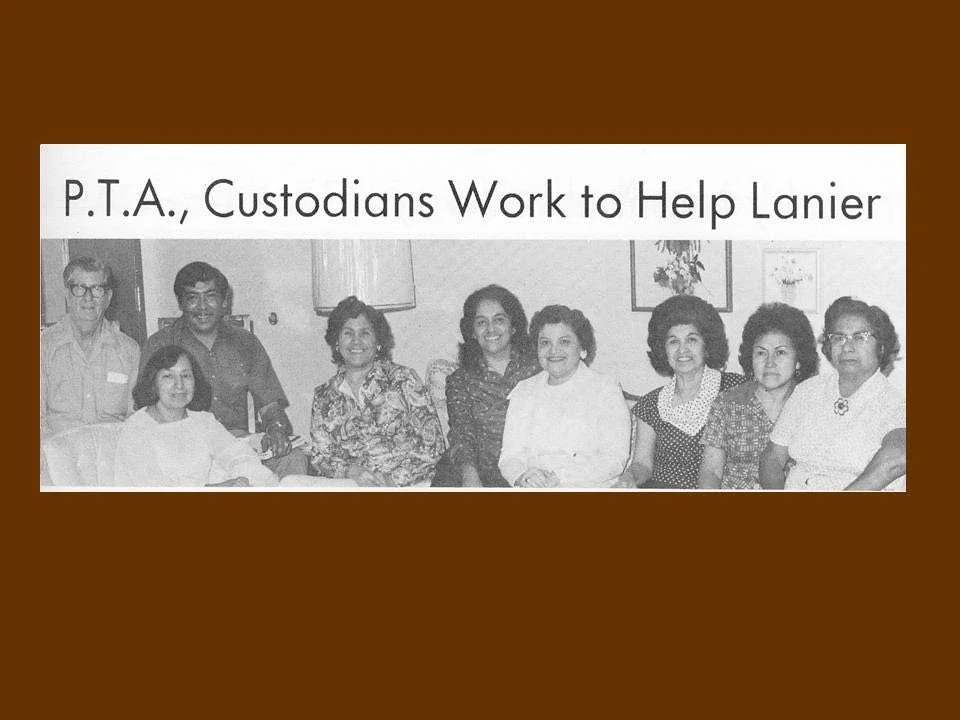
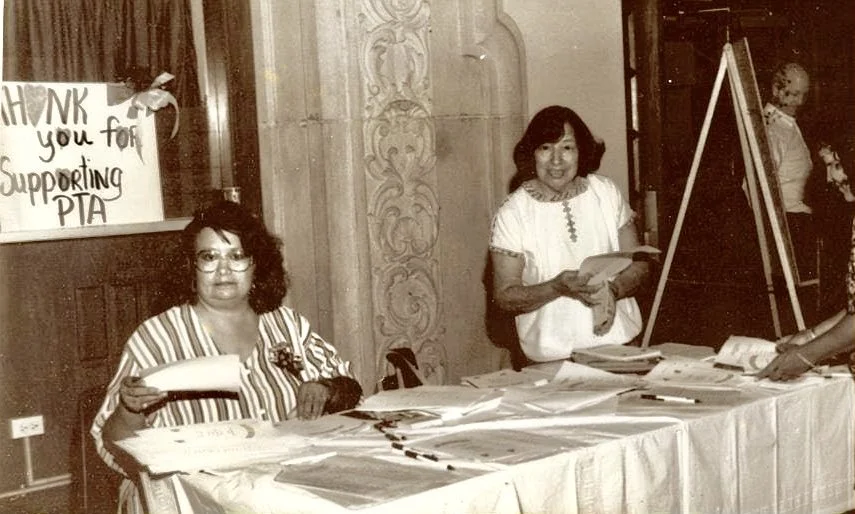
I can’t recall a time when my mother did not regularly visit my school. In fact, she had been active since the first day that my oldest brother Xavier went to Ruiz Elementary School. Soon she took on the goal of starting PTA affiliates at Ruiz, Cooper and Lanier High Schools, where none existed before.
When I started school at Ruiz in 1965, Isabel Sánchez was a fixture in all of those schools. She was present. Siempre. And she didn’t come just to advocate for her own six children. Isabel worked to improve the schools for every child in the Westside. And she knew so many of them as individuals! The kids at school would report to my sister Lety and I: “Hey, I just saw your Mom down the hallway at the principal’s office,” or “Your Mom is outside of the cafeteria selling barbeque plates and her famous chocolate cake with the other PTA mothers.” Still more, “Your Mom stopped the fight between some kids from the elementary school; even though she’s so little, she jumped in right between the boys and stopped the fight.”
Much of Isabel’s work in the schools focused on advocacy for individual students. Mothers would call her if their child was having trouble with a teacher, a bully, or whatever. Often she would accompany parents, helping them muster the courage to talk with teachers or other school officials, or, if the parents couldn’t escape from other responsibilities, Isabel would talk with the teachers and officials by herself, advocating for another’s child.
“I feel like God gave me a big heart because so many people have come and said, ‘Oh, I wish you were my mother.’ … Maybe they’re kidding. But I always tell them, ‘There’s space in my heart for you, so come in.’”
Eventually Mom felt it necessary for her to join the larger, city-wide San Antonio Association of PTAs. This was difficult, because most of its members were white or middle class Mexican-Americans who did not welcome this dark-skinned, working class woman from the Westside. Yet Isabel understood the strength that a unified association could exert, and she was determined to have it benefit Westside children.
Isabel also understood the power of independence. At several moments during her PTA career, Mom was offered teacher’s aide or other jobs at the schools, but Mom did not want to lose her ability to raise concerns about the school or district administrators. She wanted to use her skills to improve the quality of education in the Westside schools, not merely to defend or sustain it.
In the late 1990s, the high school principal at Lanier High School waged a targeted attack on Isabel, declaring that she could no longer be a part of the Lanier PTA because she no longer had children attending the school. It was true that Mom’s youngest child, Leticia Sanchez had graduated from Lanier in 1980, but no other principal at the elementary, junior or high school had ever asked PTA parents to stop volunteering. Shocked, Isabel and other parents searched for new ways to support the students at Lanier. They began fundraising for the Fuentes-Sanchez Lanier Scholarship Fund and as of today, have given over $200,000 in scholarships to students attending college. At the beginning, Isabel and Amelia Fuentes made and sold chalupas for a dollar. Then Isabel enlisted her husband Enrique and children to make and sell thousands of tamales. Finally, with the help of family and friends, Isabel has held a community dance selling tickets for $7 each. Each year, the scholarship fund has given about $10,000 to recent Lanier graduates to help them pay tuition, buy books, or arrange travel necessary to begin their college educations. Hundreds of people have been touched by Isabel’s courage and unqualified love, and they contribute to the scholarship fund. Although Isabel asks for little, she knows that those who can often will contribute more, and Lanier alumni, Lanier teachers (both active and retired), and many community members have donated thousands more. As to the principal who forced her out of the Lanier PTA, “She left after a couple of years, so I went back to the Lanier PTA………. I outlasted her.”
As an educational advocate, Isabel Sanchez has helped many students and their families and has improved the quality of education in Westside schools. One of her dearest memories was when she and Enrique, who had retired from his auto-painting business, regularly worked with a group of Spanish-dominant students at Tafolla Middle School struggling to learn English. Isabel and Enrique enjoyed discussing the many questions that students brought to them about contrasts between Mexican and U.S. cultures and about the subtler meanings of English and Spanish words. But more than anything, they enjoyed the warm love and gratitude shown to them as “second abuelito y abuelita” by the students, whose progress in school they have lovingly watched. And one of Isabel’s biggest disappointments (because she tried twice to change the names of two different schools) has been the failure of San Antonio Independent School District to name one of the Westside schools after Emma Tenayuca--but she remains hopeful that this will happen someday!
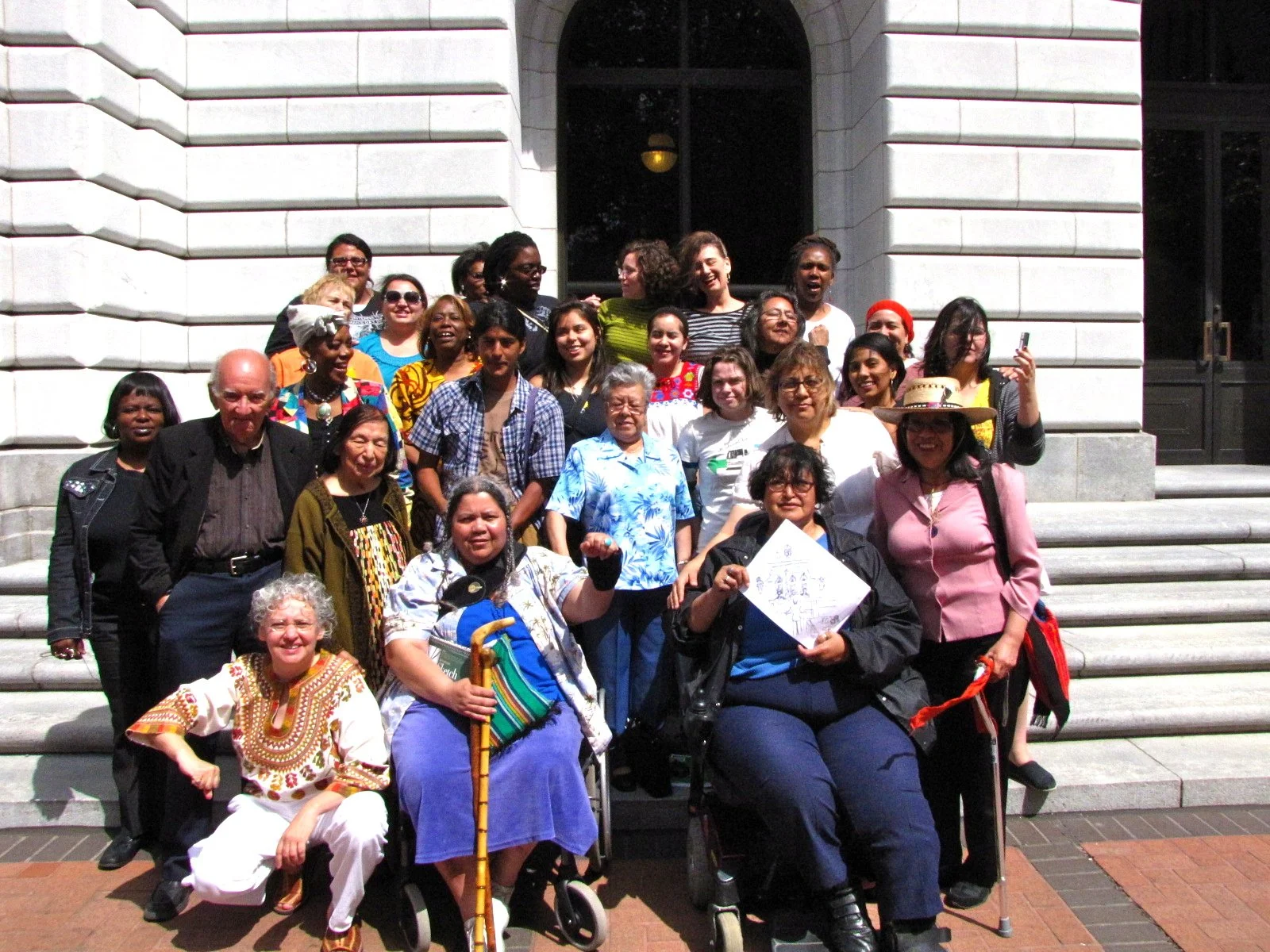
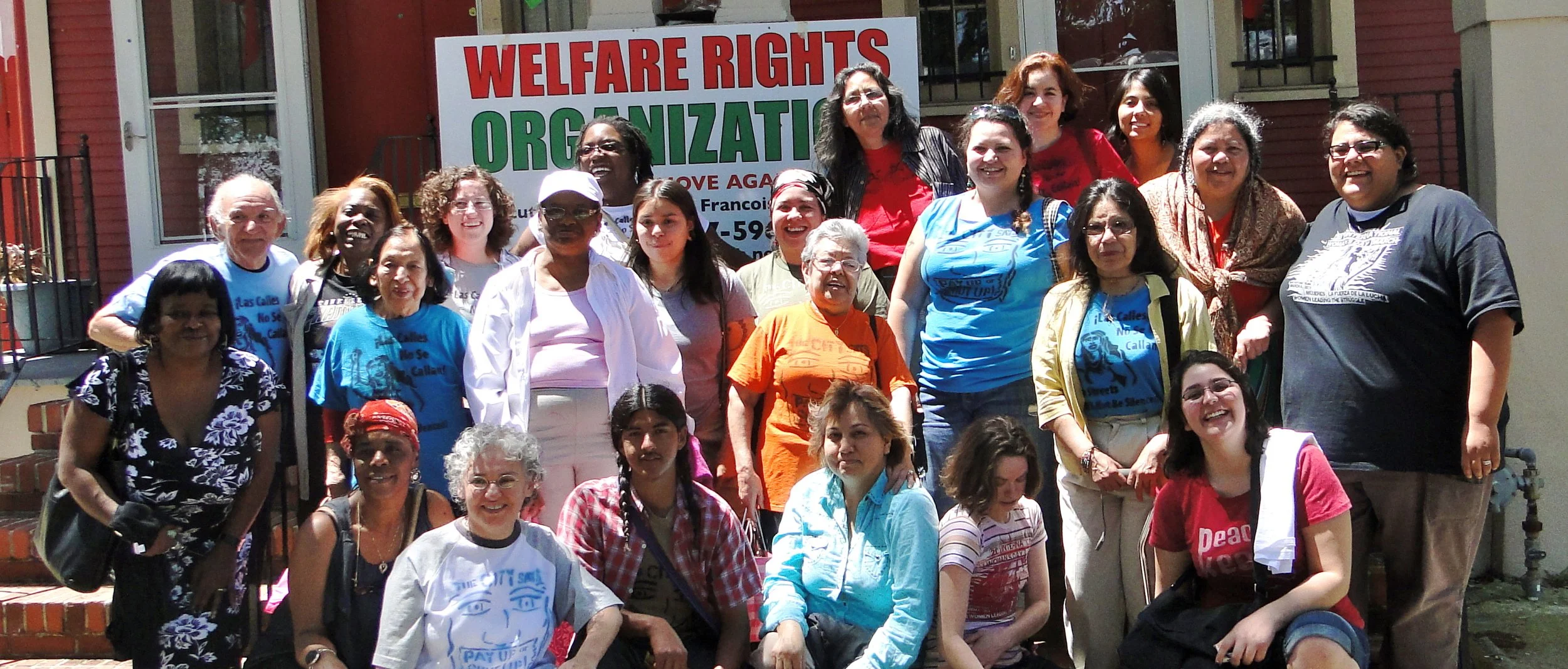
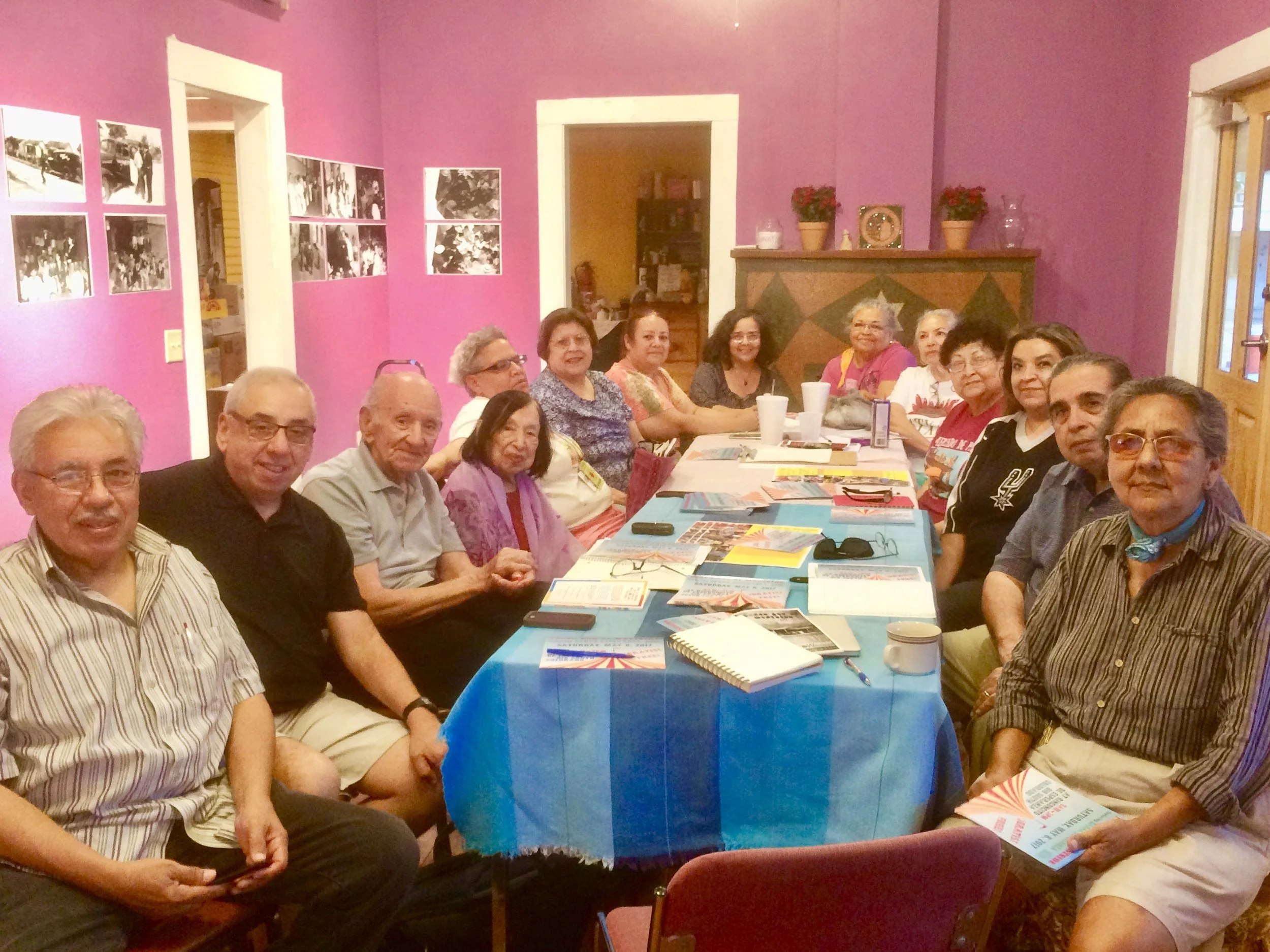
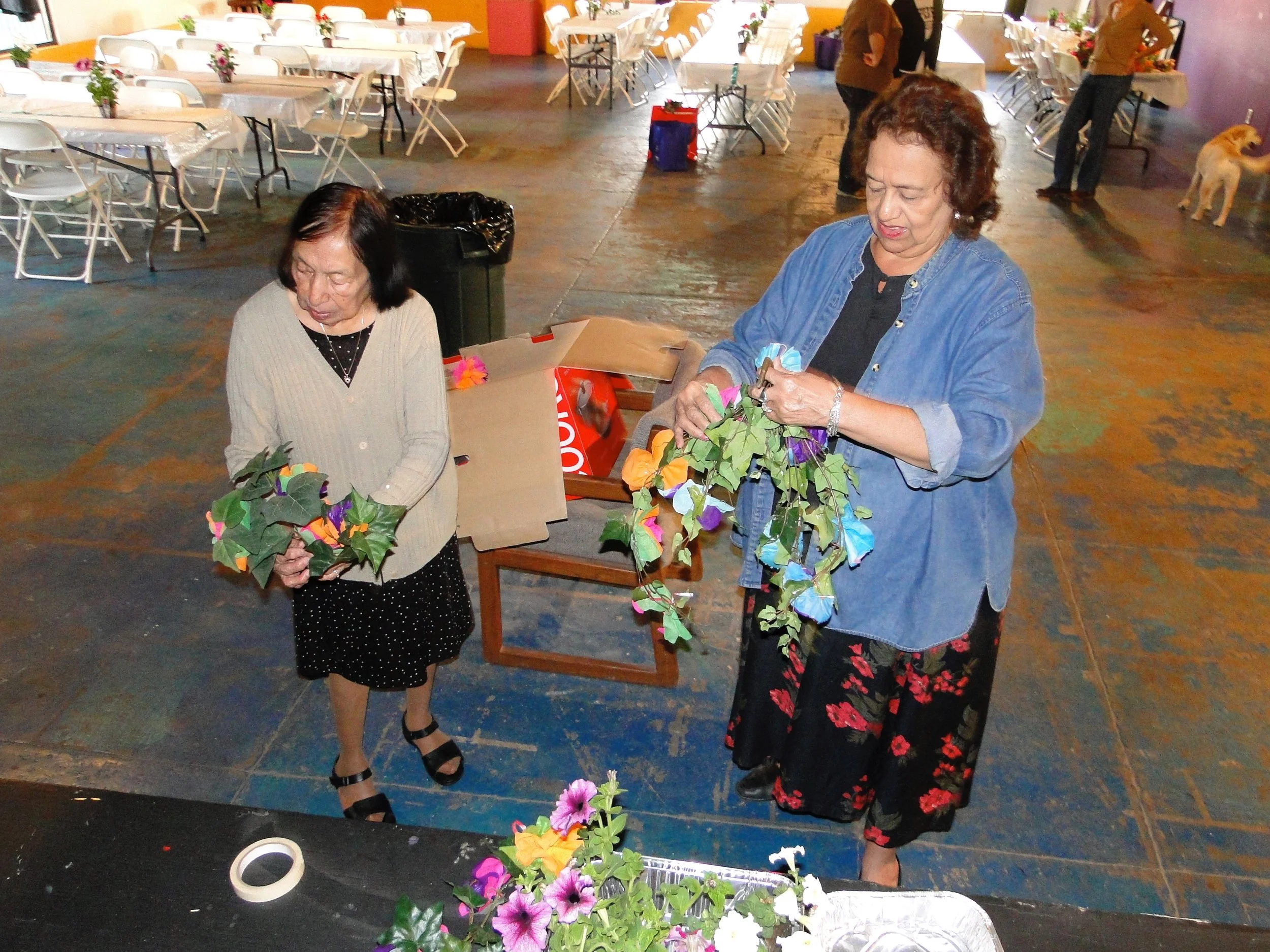
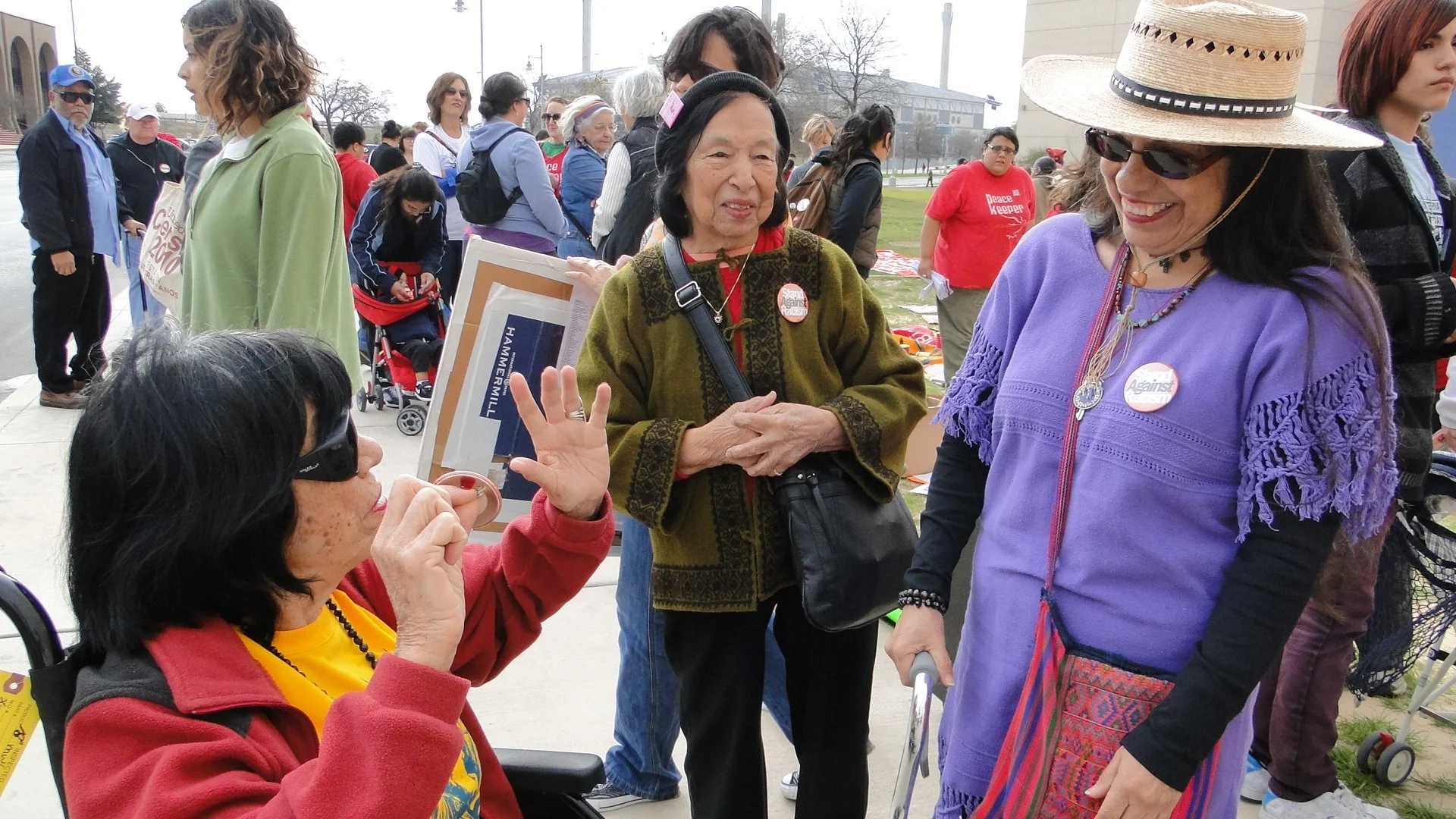
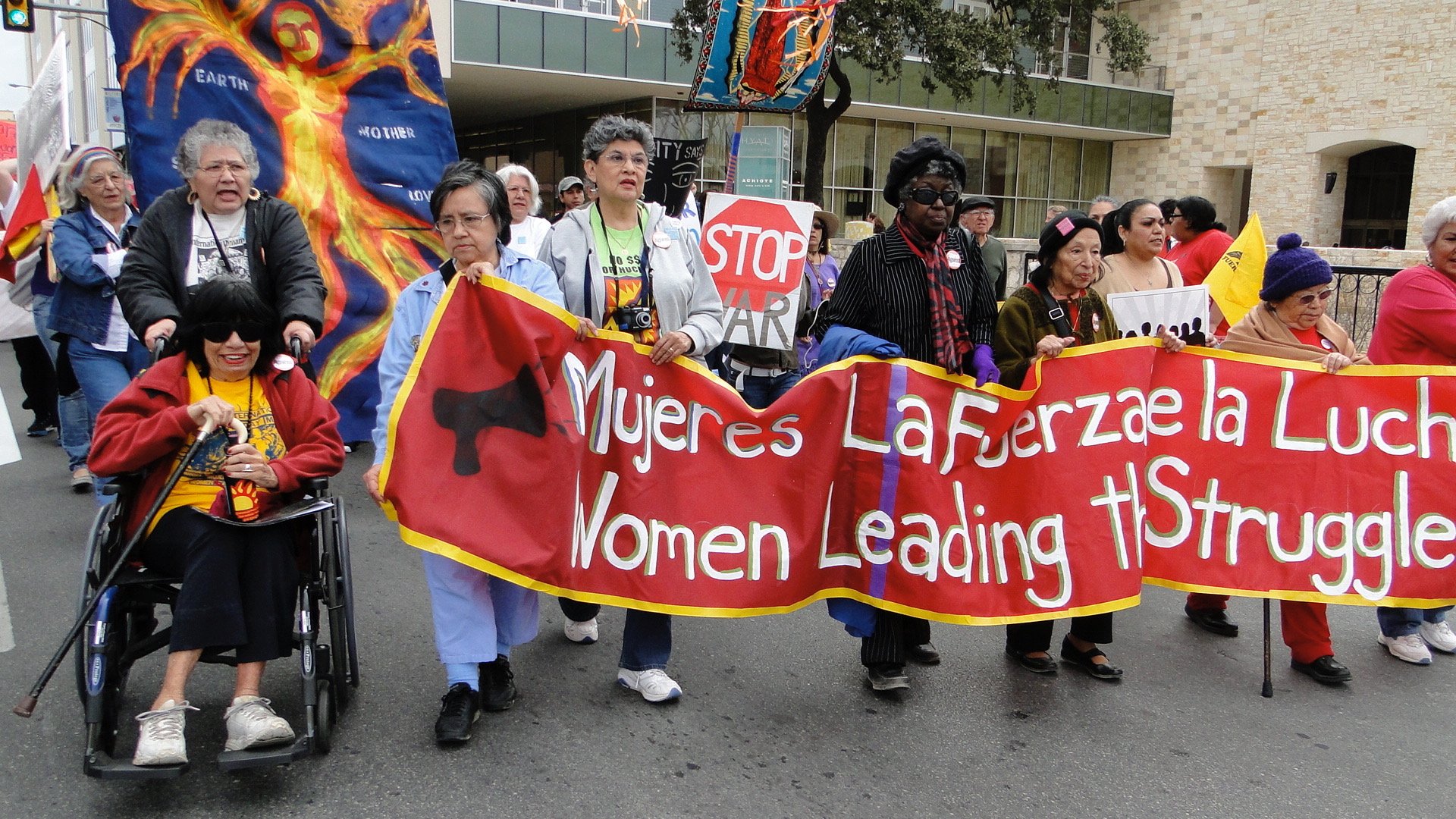
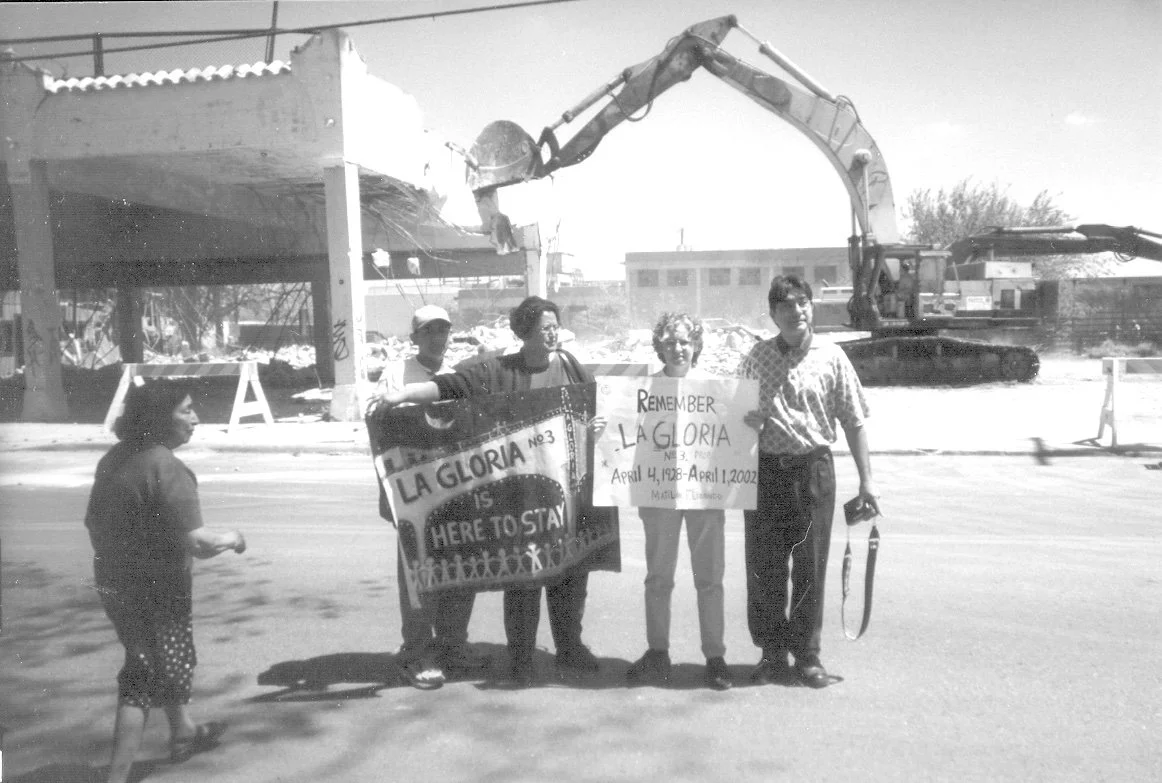
In addition to her educational advocacy, Isabel has been active in many progressive campaigns in San Antonio, including struggles over cultural arts and free speech (Arte es Vida, Las Calles no Se Callen, Free Speech Coalition), protection for the Edwards Aquifer (Save Our Aquifer and opposition to the Vista Ridge Pipeline), maintenance of public space (Hays Street Bridge and efforts to regain public access to Plaza Guadalupe), and historical preservation in the Westside (La Gloria, Univision, Casa Maldonado, and the Rinconcito de Esperanza). Finally, Isabel is a much-treasured member of the Esperanza Peace and Justice Center, the Westside Preservation Alliance, the Corazones de Esperanza, and the Historic Westside Residents Association.
“Soy Mexicana nacida en Tejas. (I am Mexican born in Texas.)
God gave me a gift; I think it’s a gift that I like people. People ask me for help, they tell me things. I’m still volunteering at school. The little I do, I do it because my husband has always supported me. I’m a mother and a grandmother and a great grandmother.”
Isabel has always loved her querido Westside and intentionally chose to stay in her barrio for 95 of her 97 years. Throughout her life, she’s often heard people speak badly about the Westside. “They always say that the Westside is a bad neighborhood and people always ask me why I still live in the old barrio. But there is such beauty in this community, in its people. We may be poor, but we’re good and decent people. I’ve stayed in this neighborhood because I love it.” And Isabel has shared this love with her family, friends, and neighbors, insisting that we who live in and love the Westside must care for it, because no one else will protect our people, our homes, and our plantitas.
After the publication of this profile, Isabel Casillas Sánchez passed away on June 14, 2021. She was 97 years old.

-
Isabel Sánchez, interview by Elise García, San Antonio, TX, March 23, 2003.
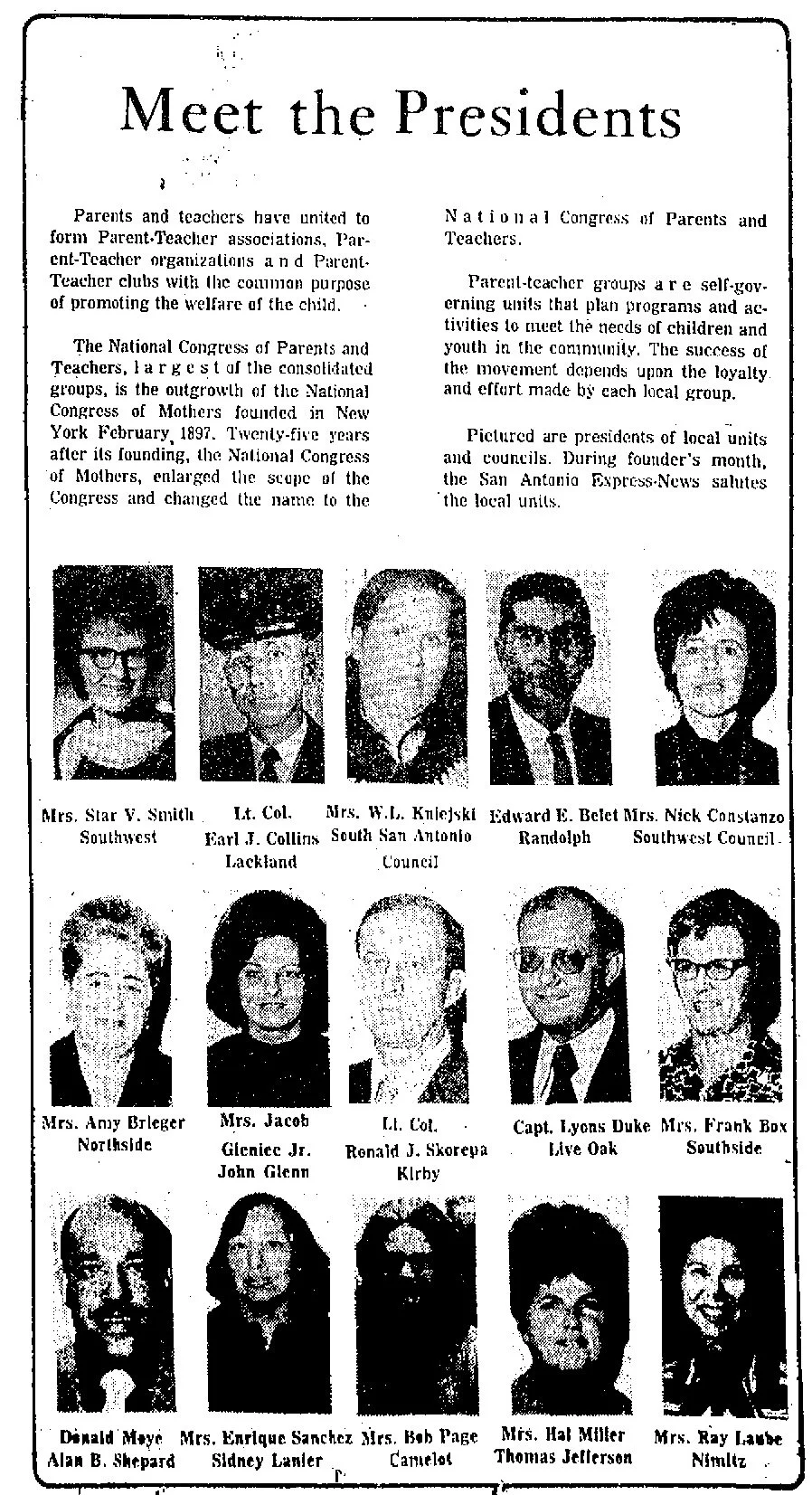
“Meet the Presidents.” San Antonio Express-News, February 6, 1973.
“Meeting Slated on Lanier Principal.” San Antonio Light, July 4, 1977.