Lydia Mendoza
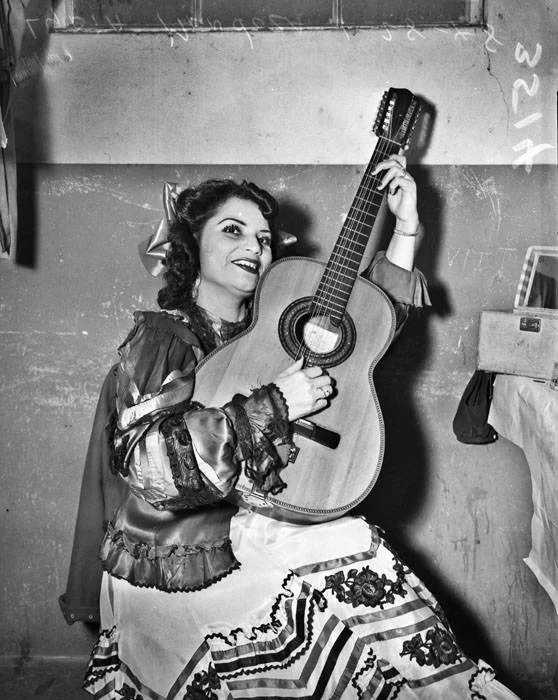
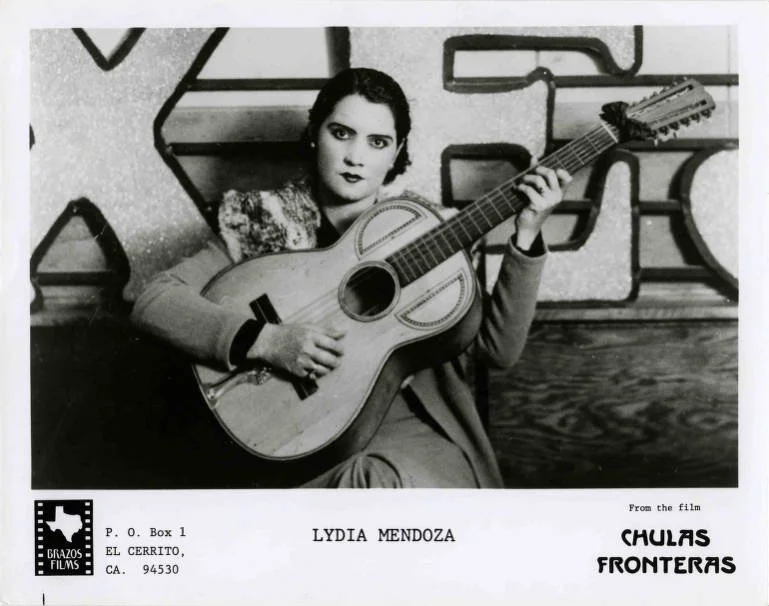
Lydia Mendoza, ca. 1937. Courtesy the Arhoolie Foundation
“Cada canción es distinta: un corrido, un bolero, una canción de desprecio, una canción de amor, un vals, todas….Es que tienes que darle el sabor según la canción. Si no les das, entonces nomás no sale. Esa gracia viene del alma, del alma viene.”
Pioneer Tejana Recording Artist
1916–2007
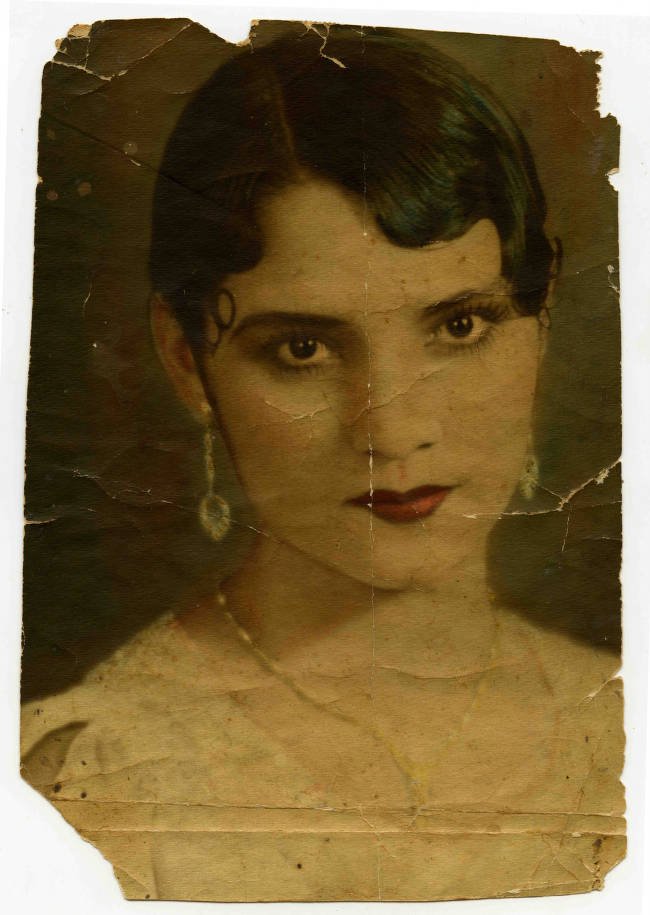
Lydia Mendoza became one of the most popular Mexican American recording artists of all time. She was called “La Alondra de la Frontera” (The Meadowlark of the Border) and “La Cancionera de los Pobres” for the ways her music reflected and validated the experiences of working class Mexican Americans and migrants.
Lydia was born on May 31, 1916 in Houston, Texas. Her parents were Leonor Zamarripa Mendoza and Francisco Mendoza. Francisco worked as a locomotive mechanic on the rail line linking Laredo and Monterrey, and the family travelled with him on both sides of the border. Lydia was the second oldest of seven children.
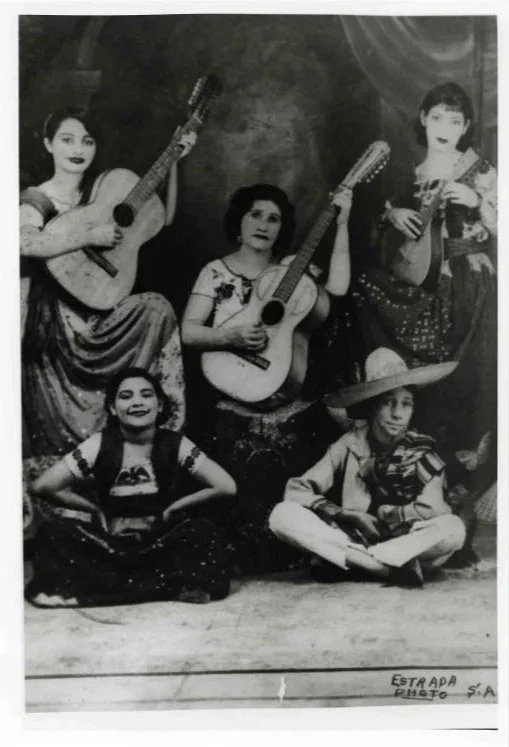
Lydia describes her mother Leonor as an educator. When her father didn’t want the children to go to school, her mother bought blackboards and pencils, and taught them to read. She taught them parables to reinforce moral lessons about what was right and wrong. She taught Lydia how to play guitar when she was seven years old, and directed all of her children in the family variety show for many years. By age nine Lydia was a proficient guitarist. She would come to her grandmother’s house and they would play and sing together; As she got older, Lydia would become a teacher as well, as she taught her younger siblings.
When Lydia was a child, she put together a mini song book made from popular music from the Bella Vista neighborhood of Monterrey where she lived. These songs were printed on chewing gum wrappers. This earned her the name “chewing gum wrapper cancionero”, and she took this along with her everywhere she went. She also taught herself how to play the mandolin, the violin and the piano.
Lydia remembers first coming to San Antonio in 1923, but the family did not settle in the city until about a decade later. By 1927 Lydia and sister Francisca, along with parents, had become traveling musicians, performing throughout the Rio Grande Valley outside bars, in restaurants, and barbershops. Lydia played the mandolin, her sister played a triangle, her mamá played guitar and her papá played a tamborine. They mostly performed for contract laborers and in carpas, hitchhiking from place to place. Mendoza describes these experiences: "Dad would go in and ask permission to play, and then, if folks were there, we'd sit down and sing, and people would give us tips. And later on, when the harvesting season came along, we'd go to the little town where the workers were, where there would be gatherings of Mexican people. We'd sing there and get some pocket money."
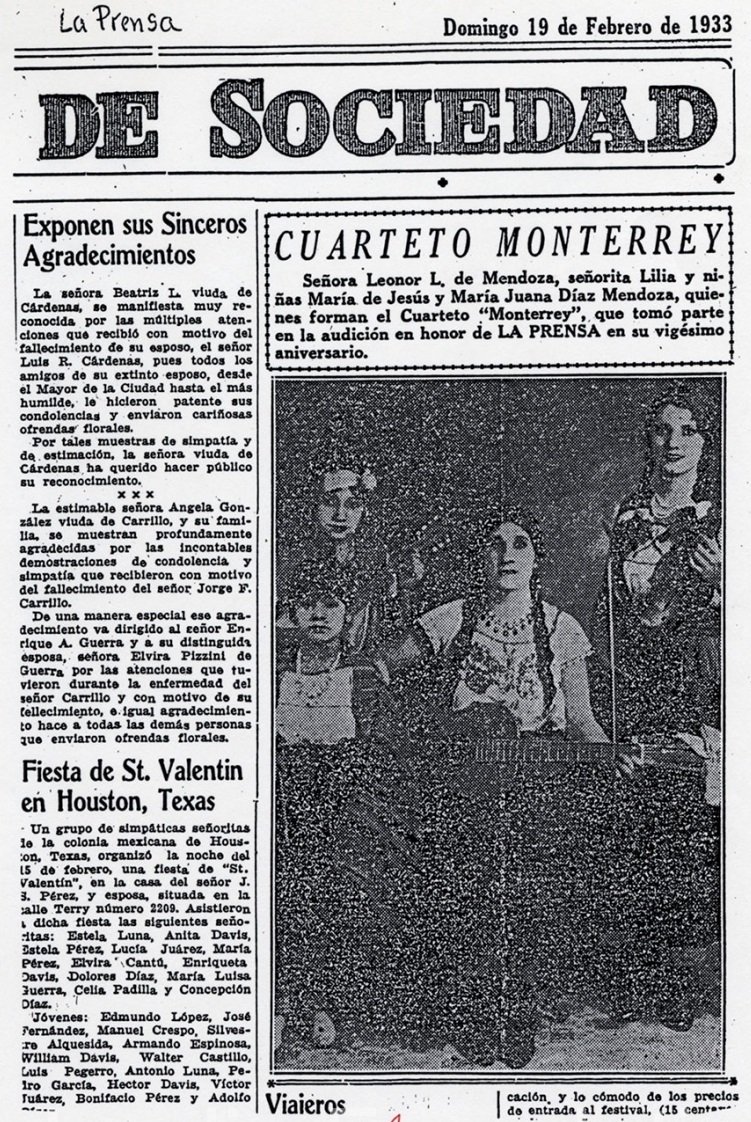
In 1928 the family responded to an announcement in La Prensa that the OKeh Record label was looking for singers to record. They borrowed a friend’s car to make a trip to San Antonio, andhere the family made their first recording as “Cuarteto Carta Blanca” while staying in a San Antonio hotel room above the Carta Blanca Restaurant. They were paid $140. This hotel would later become a reception and banquet hall where La Prensa would hold its anniversary banquets, and Lydia and her sister would be hired to sing.
Shortly after this the family moved to Flint, Michigan, where they worked for a time in the sugar beet fields. They also started performing at a little Mexican restaurant in Pontiac. Their performances were so successful that they didn’t have to return to the beet fields. They then moved to Detroit, and her father began to work for Ford. When the Great Depression hit, her father was laid off and they returned to Texas in 1930. They initially settled in Houston, but there were not many performance opportunities, so they moved to San Antonio’s Westside in 1932. With a five dollar gold coin that the family won as first prize in an amateur talent contest, they were able to buy furniture and rent a house.
They continued to perform, playing at Plaza del Zacate, a big open space where vegetable trucks from the valley arrived in the morning to sell to small retailers. By the evening the plaza was open, and so people would set up tables where they would sell enchiladas, tamales, and chile con carne. Guitar trios would entertain the crowd. Lydia said that the plaza had a distinct musical ambiance that couldn’t be found in other places, even in other parts of Texas. She said that it felt as if you were in Mexico.
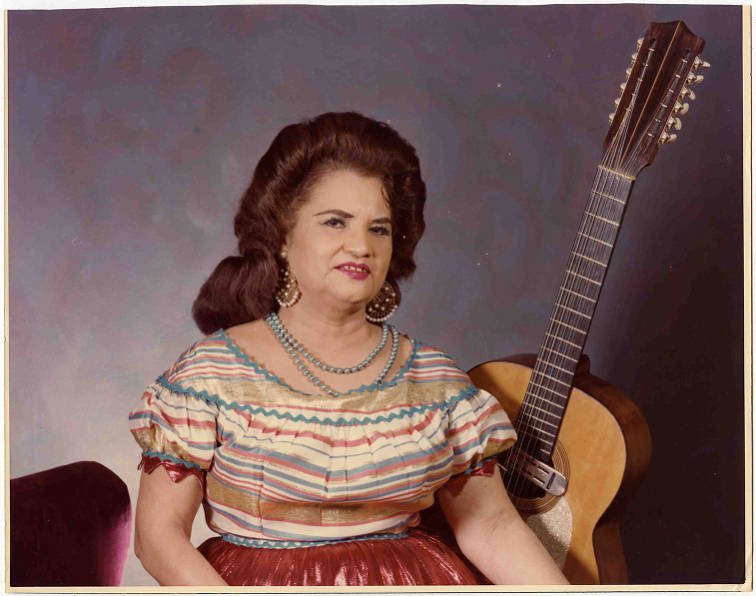
Her family also stood out from other musicians. Lydia was about 16 years old, and had begun singing and playing the guitarra doble (12 string). This was not a traditional 12 string. At her request, her father rearranged the strings so that the top four pairs were in alternative notes rather than in pairs of the same notes, which created a distinctive sound. It was difficult to make enough money to get by; their audience was poor, and so Lydia’s family would often make only 25-30 cents per night. When it rained they couldn’t make any money at the plaza at all.
Radio announcer Manuel J Cortéz came to the plaza to hear her sing, and afterward invited her to sing on his 30 minute program “La Voz Latina” on KABC as a soloist. Her mother was reluctant to let her go because the station wouldn’t pay for her performance, but they were assured that this would boost her popularity. and soon the station offered to find her a sponsor so that she could be paid to sing nightly for $3.50 a week. Mendoza would note that with this income, “we felt like millionaires. Now at least we could be sure of paying the rent.” Lydia won a competition sponsored by the Pearl Brewery. At the time, there were very few women singers in San Antonio, but several emerged during this competition, including Eva Garza, Rosita Fernández and Esperanza Espino. The family also performed their variety shows at the carpas that would come through town, and also at church halls or auditoriums owned by mutualistas.
“I have at times thought of Lydia Mendoza as a powerful labor organizer and/or curandera, for she has served as a collectivizing and galvanizing force for raza laborers and a sa voice of collective self-power.”
Lydia was one of the artists chosen on BlueBird Records (RCA Victor) when Eli Oberstein came to San Antonio. Her first hit, “Mal Hombre” was recorded in 1934. The song was about a cold hearted man who breaks a woman’s heart. After the great success of this record, Bluebird offered her a contract, and continued to record with her for next 10 years. Other early hits were “Pero Hay Que Triste,” “La Valentina,” and ““Ángel de Mis Anhelos.” The money that Lydia made from these performances helped the family get electricity and a gas stove. The family now had their own car, and they toured as well. Their success did not shield them from discrimination, though, as they often had to stay in private homes in west Texas and avoided restaurants that posted signs saying “No dogs or Mexicans allowed.”
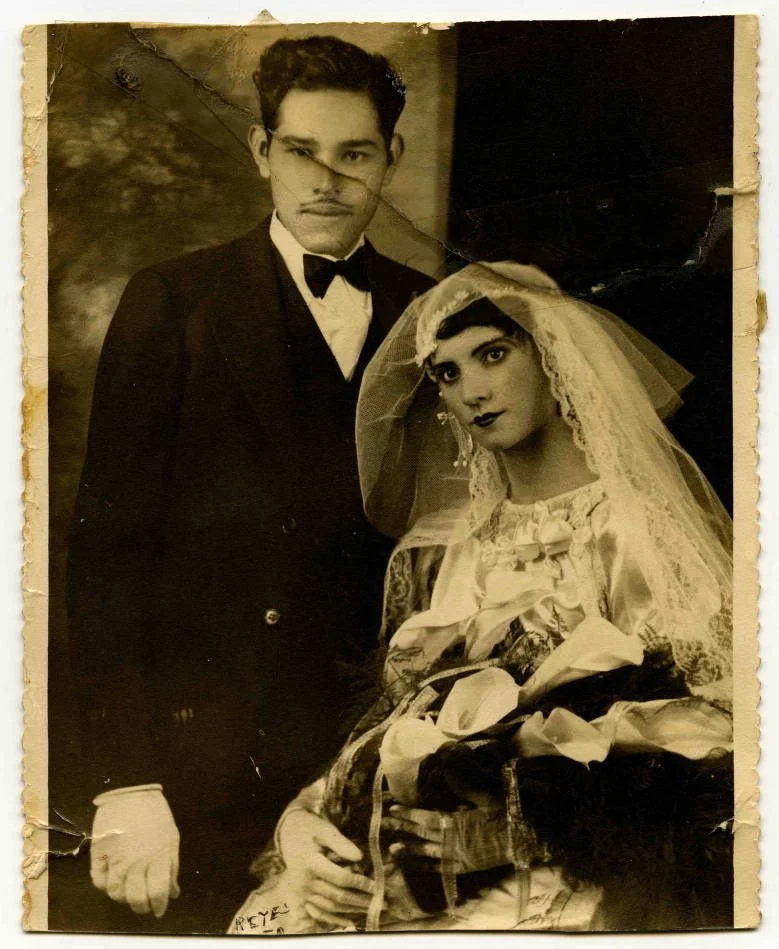
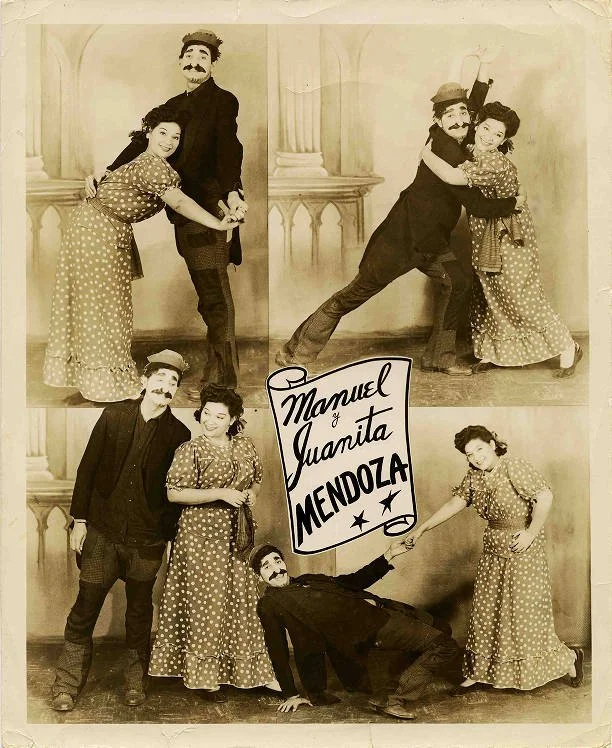
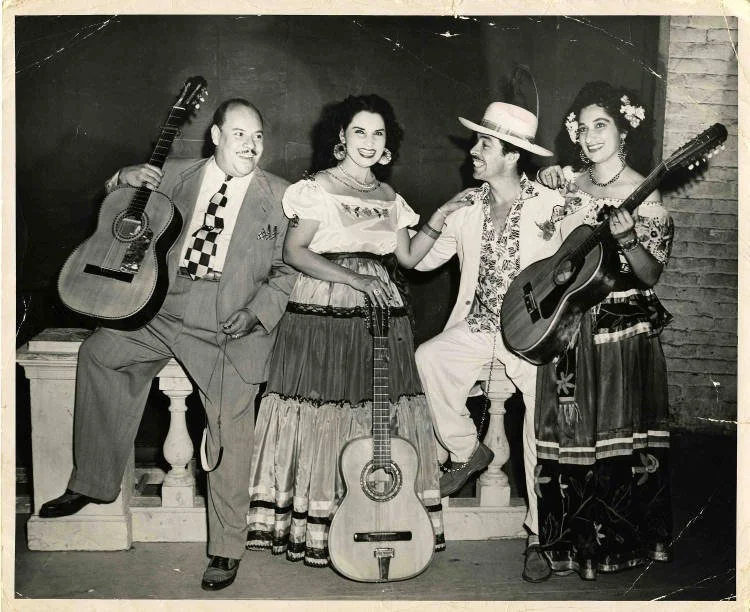
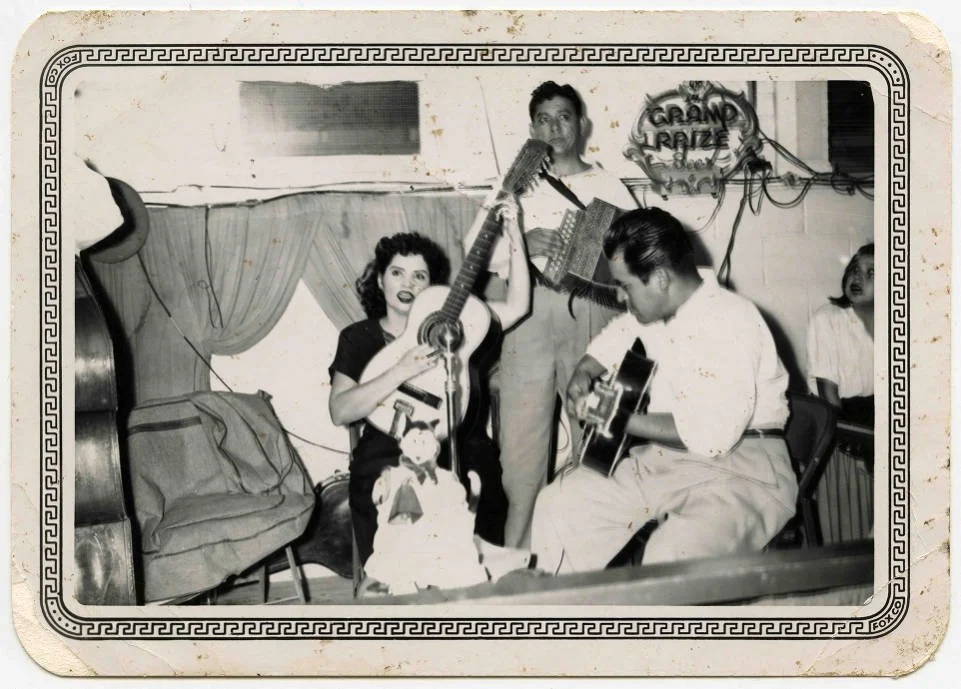
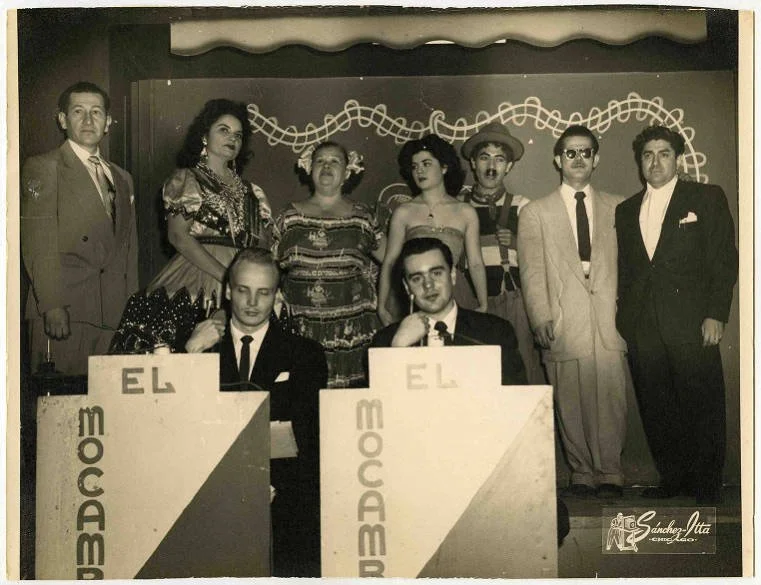
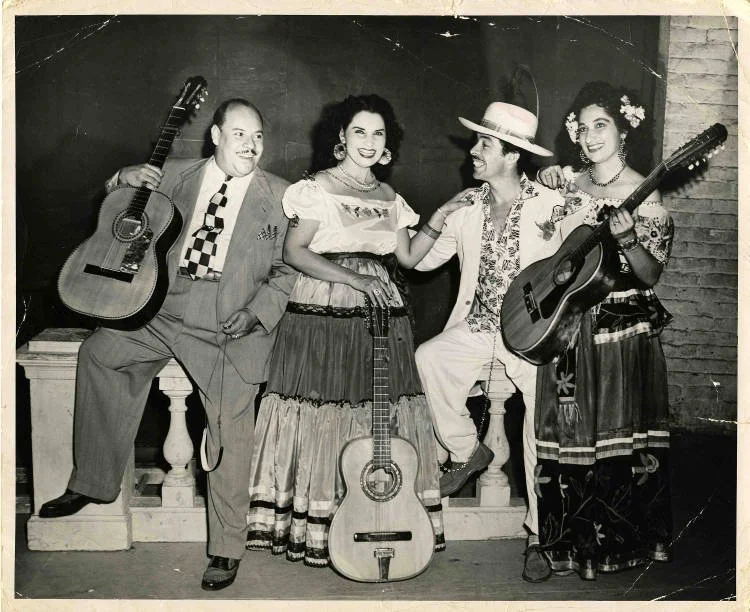
In 1935 Lydia married Juan Alvarado, a cobbler, who supported her career. They had three daughters: Lydia, Yolanda and María Leonor. When Lydia’s children were young she continued to work, travelling with her two older daughters. She booked performances at movie theaters like the Colón Theater in El Paso, and in Las Cruces, New Mexico, and eventually in California. They would perform an hour and a half variety show that would follow a Mexican movie. Lydia’s brother Manuel and her sister Juanita would do a comedy sketch and sing. Her sister María was the pianist. Her mamá and her siblings would also perform other songs and dances like the Jarabe Tapatío. Her mamá would arrange all of the performance sketches for the variety act and make the costumes. When the war began they suspended the tours due to gas rationing. Their last one was in New York in 1941.
By that time she had recorded 200 songs. Lydia briefly retired, but resumed her career in 1947 and the family variety show began attracting even larger audiences. It was during this time that Mendoza and a community of musicians who recorded on local record labels laid the foundation for Tejano music industry. After her mother’s death in 1954, Lydia began touring as a soloist. She worked with Tony DeLaRosa, Orquesta de Beto Villa, Conjunto de Gilberto López, Conjunto de Narciso Martinez; guitarist Enrique Rodríguez, Mariachi Ideal. She worked with San Antonio composers Jose Morante and Lorenzo Caballero, and José Alfredo Jiménez. She composed “Amor Bonito” herself. She recorded with various companies: the Falcón, Ideal, RCA Victor, Columbia and DLB labels.
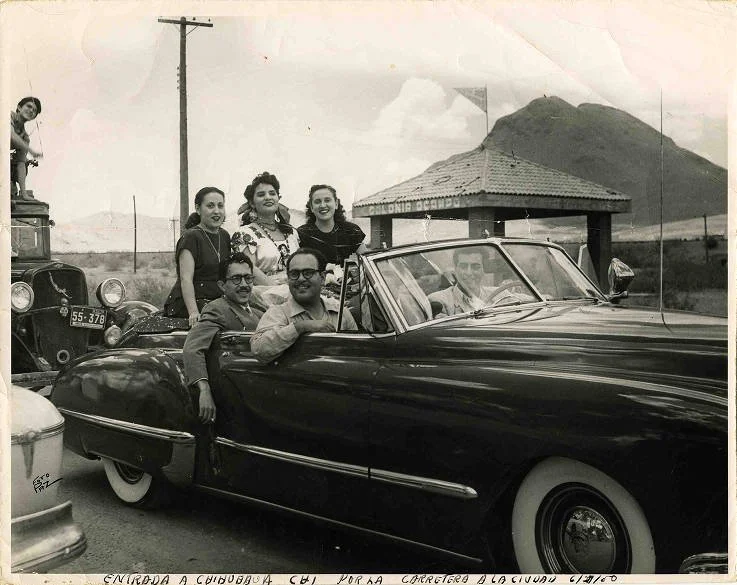
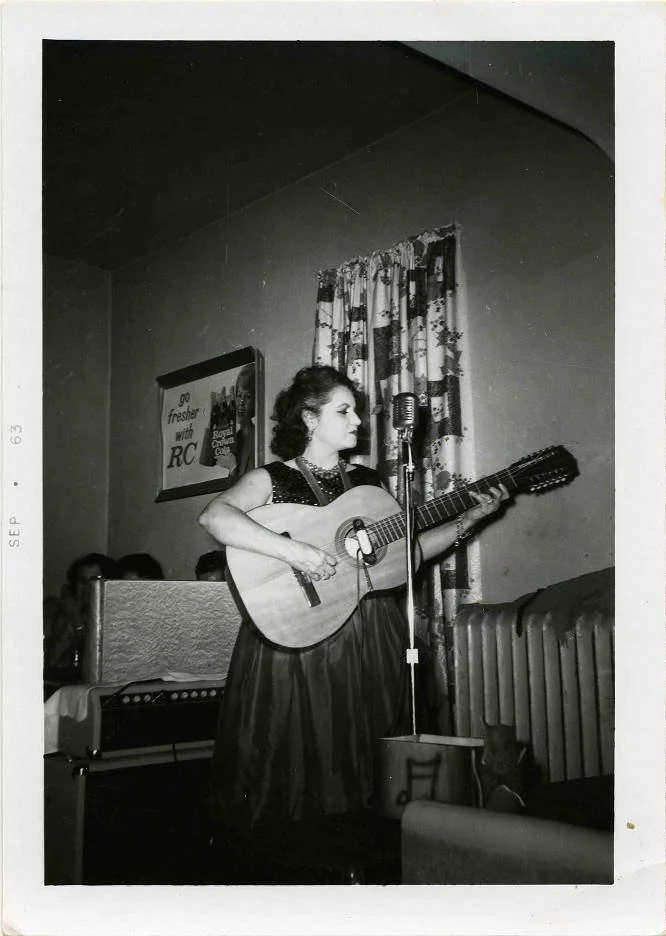
Mendoza also became popular outside of the United States, and she had regular tours in Mexico, Cuba and Columbia, playing to as many as 20,000 fans at a time. In one of her first international performances, in 1952, Lydia was preparing for a show at Teatro Esperanza Irís in Mexico City. The stage manager was worried about her plan to sing alone with her guitar, thinking that Mexican audiences would be appalled by a relatively unknown singer from up north appearing with only a guitar, but he was wrong. The audience loved it.
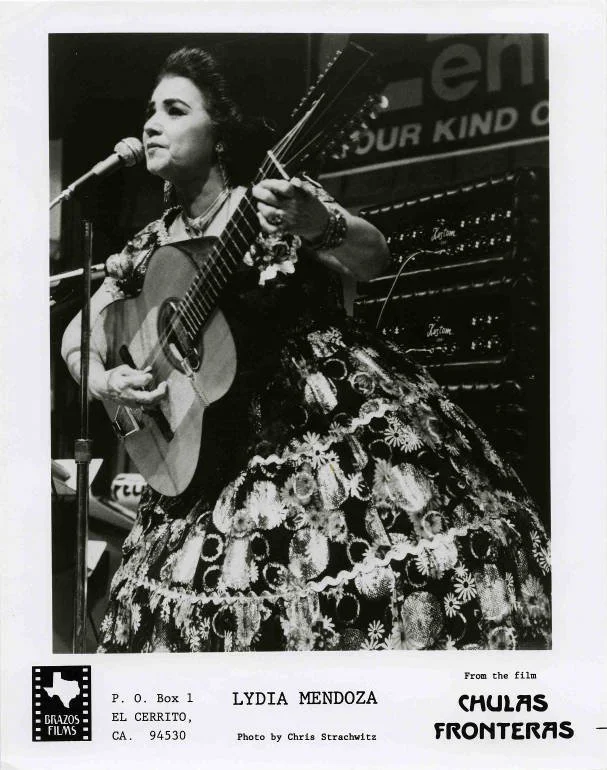
In 1961her husband died and she went into a deep depression, but she remarried three years later. Her second husband Fred Martínez helped renew her spirits. She met him while performing in Denver. She had returned to live in Houston, and gained a new following of White college students interested in folk music. Some of her recordings were re-issued in the 1970s, which led to her becoming even better known among young people. In 1971 she performed at the Smithsonian Festival of American Folklife in Montreal, Canada. She also appeared in the 1976 film, Chulas Fronteras, a documentary about Tejano music and culture. In 1977 she performed for President Jimmy Carter at his inauguration. She taught as a guest lecturer at California State University in Fresno, where she took great joy in being called “la maestra.” She always spoke Spanish, and had an interpreter to translate for her. She would teach both university students and schoolchildren. She would also continue to manage her business and sew her own dresses.
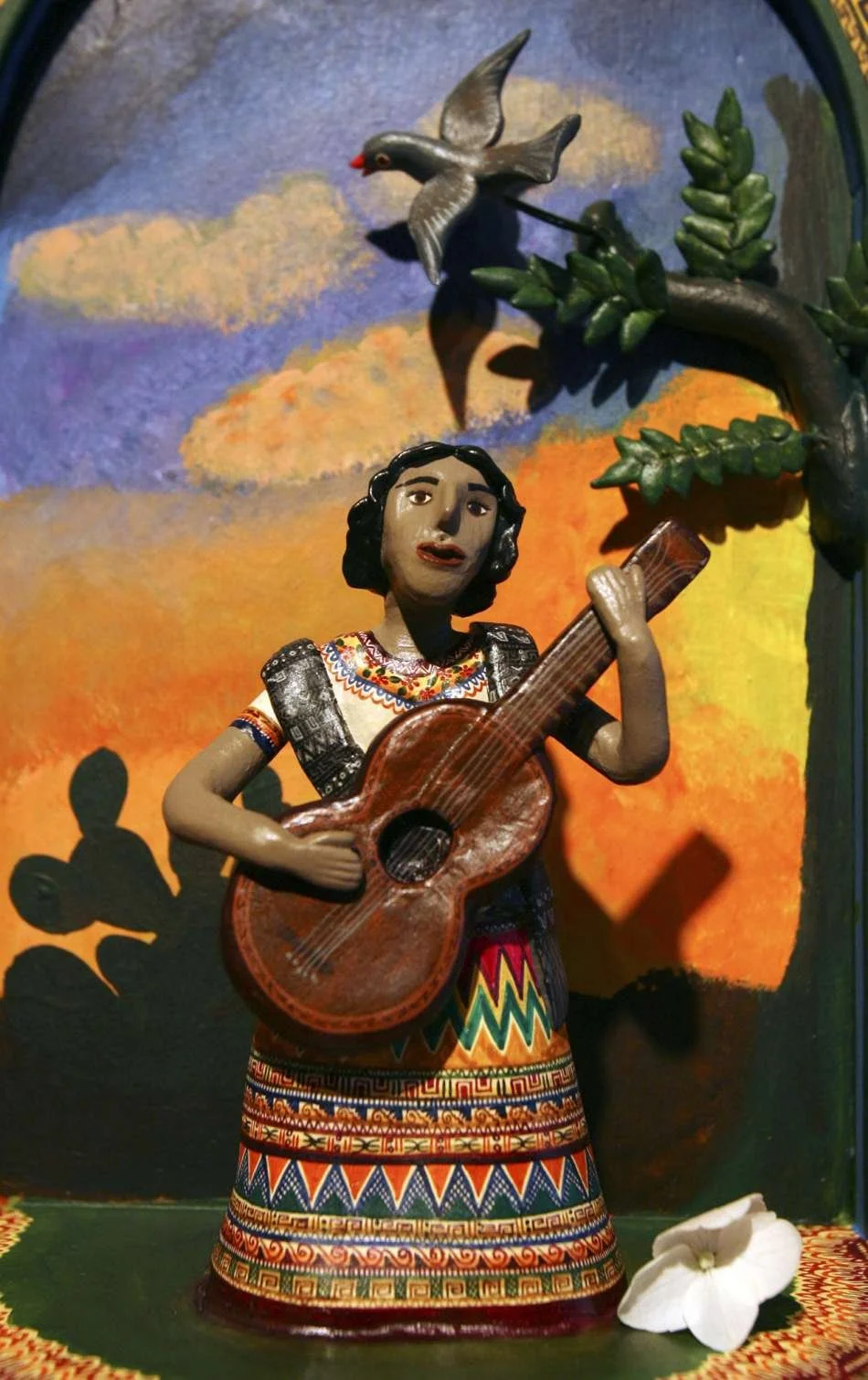
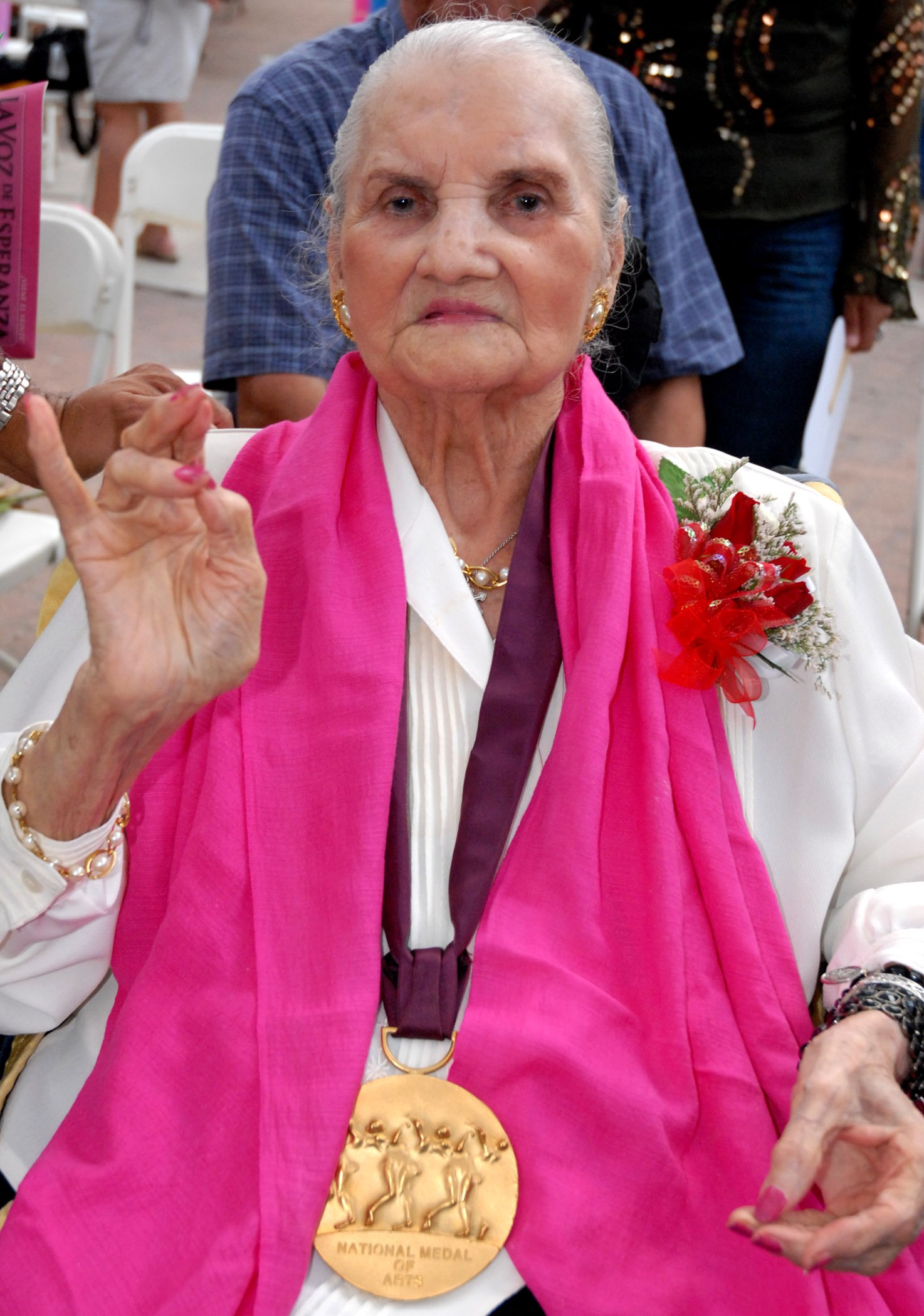
Lydia kept playing until the late 1980s, in spite of arthritis in her hands. In 1982 she was the first Texan to receive the National Heritage Award by the National Endowment for the Arts, and was inducted in the Tejano Music Hall of Fame in 1982, the Texas Women’s Hall of Fame in 1985, and the Tejano ROOTS Hall of Fame and Museum in 2002. Visual artist Ester Hernández created paintings of Mendoza as well. In 1991 she was inducted into the Conjunto Hall of Fame by the Guadalupe Cultural Arts Center. She received the National Medal of Arts in 1999, the highest national award for performers, and a Texas Medal of Arts in 2003 by the Texas Cultural Trust.
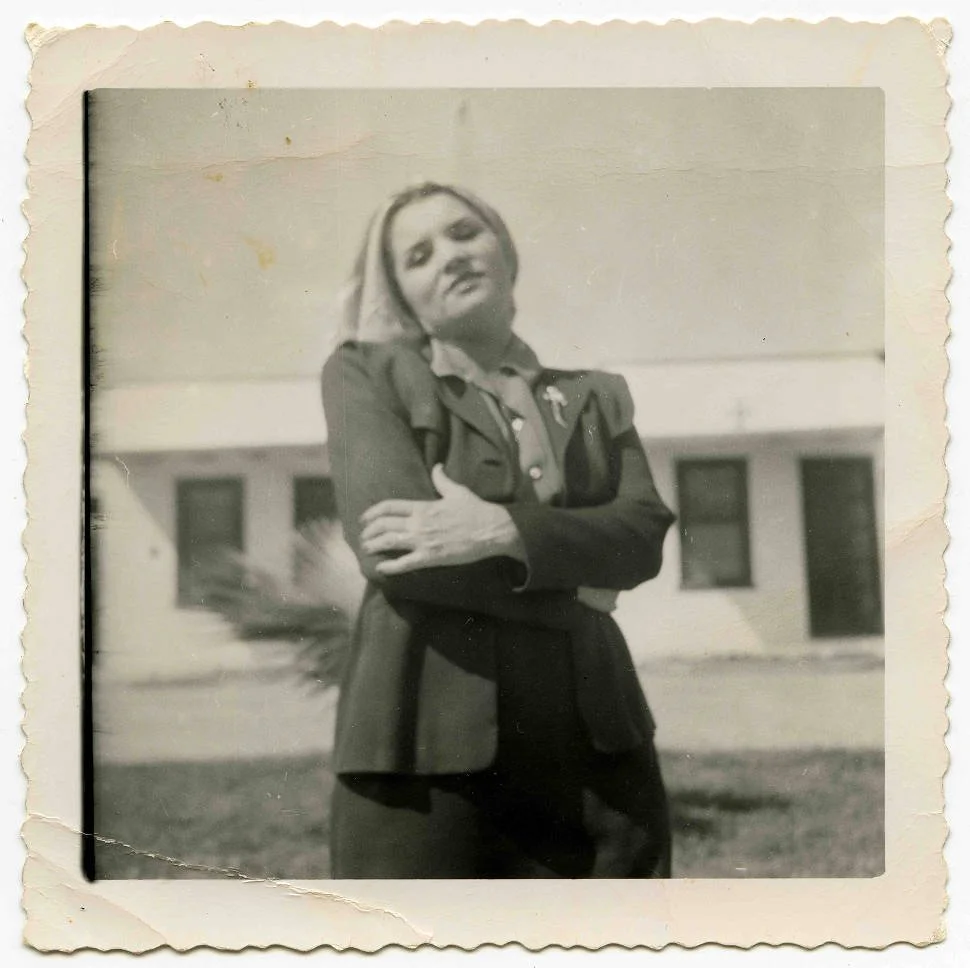
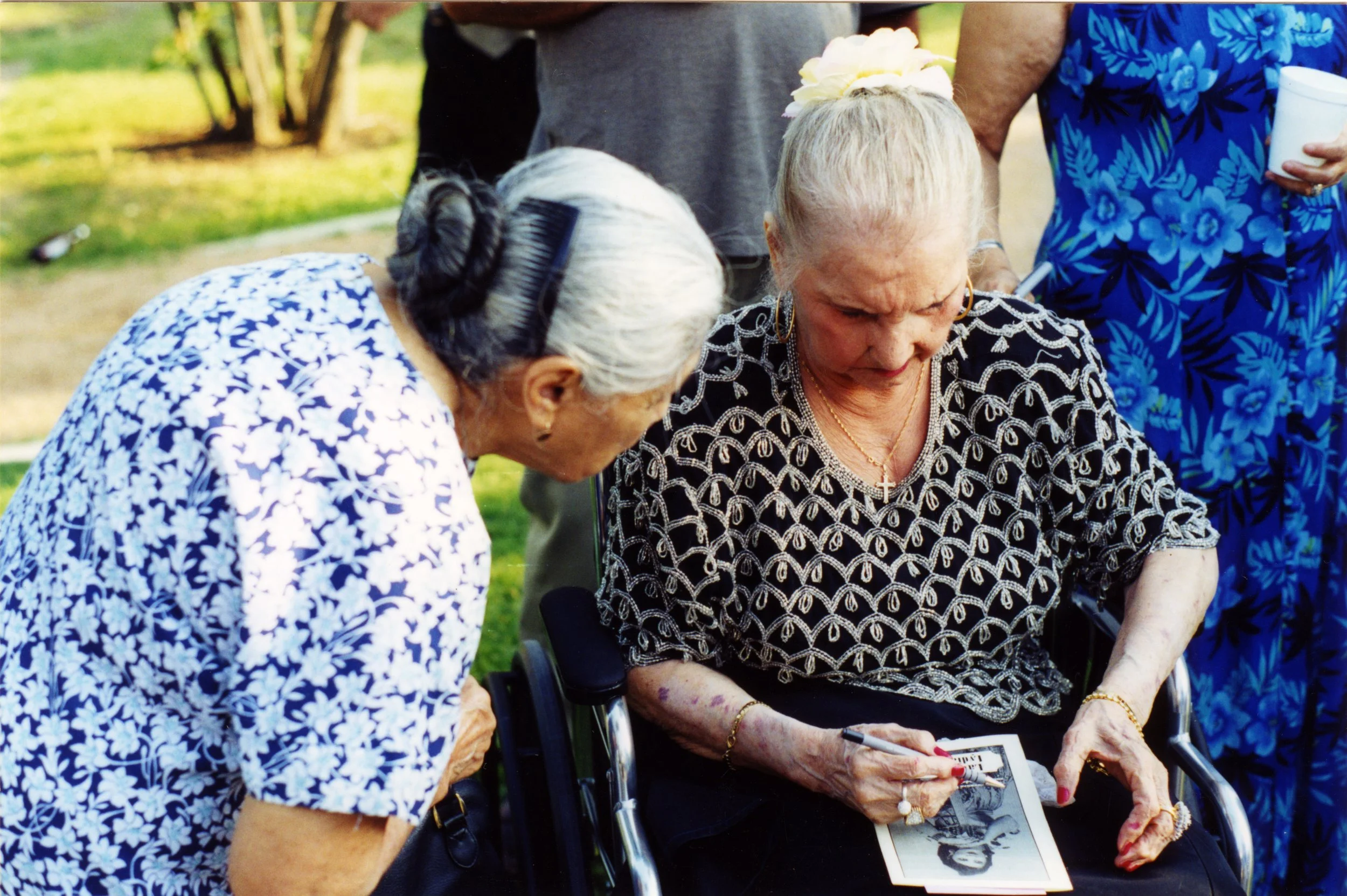
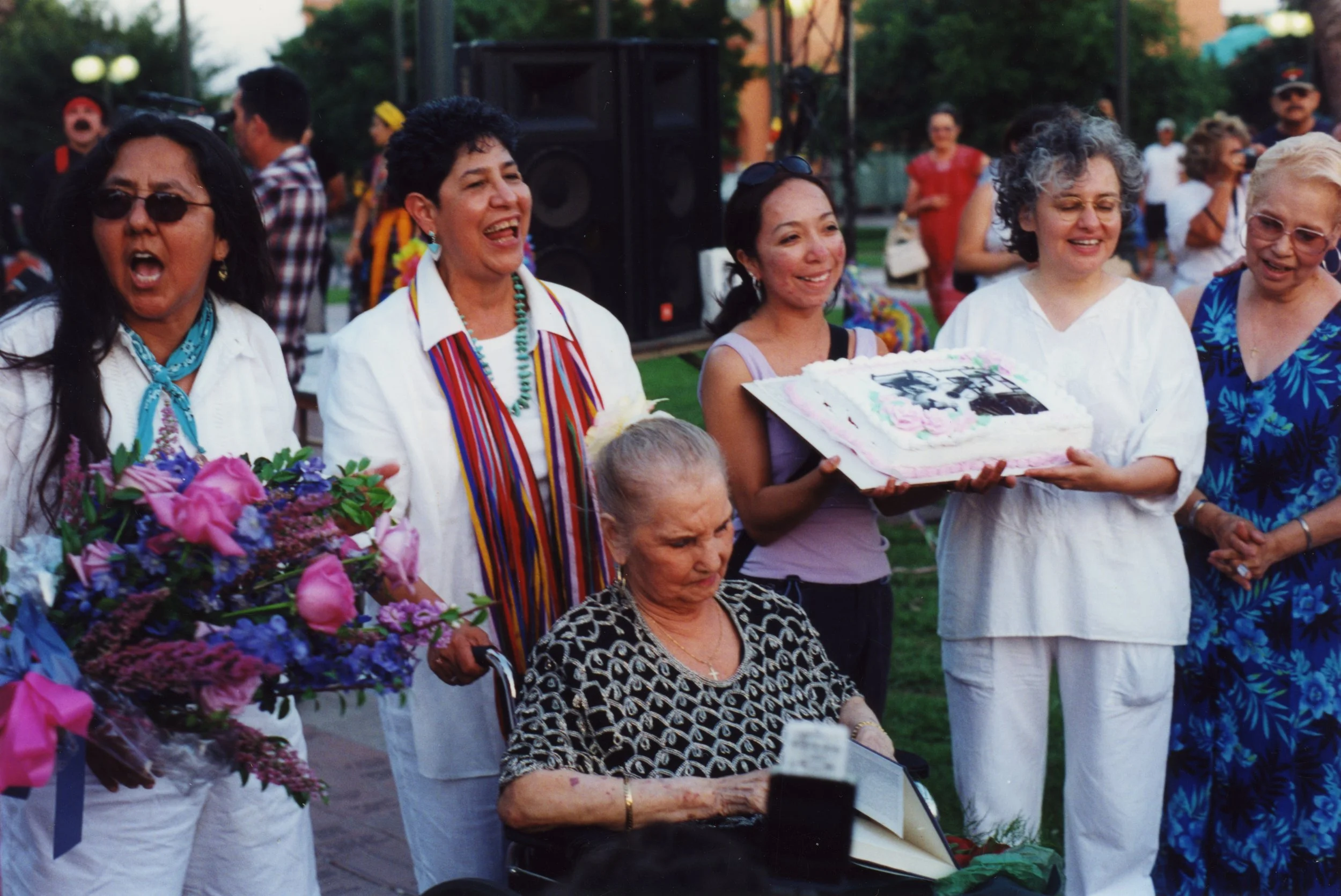
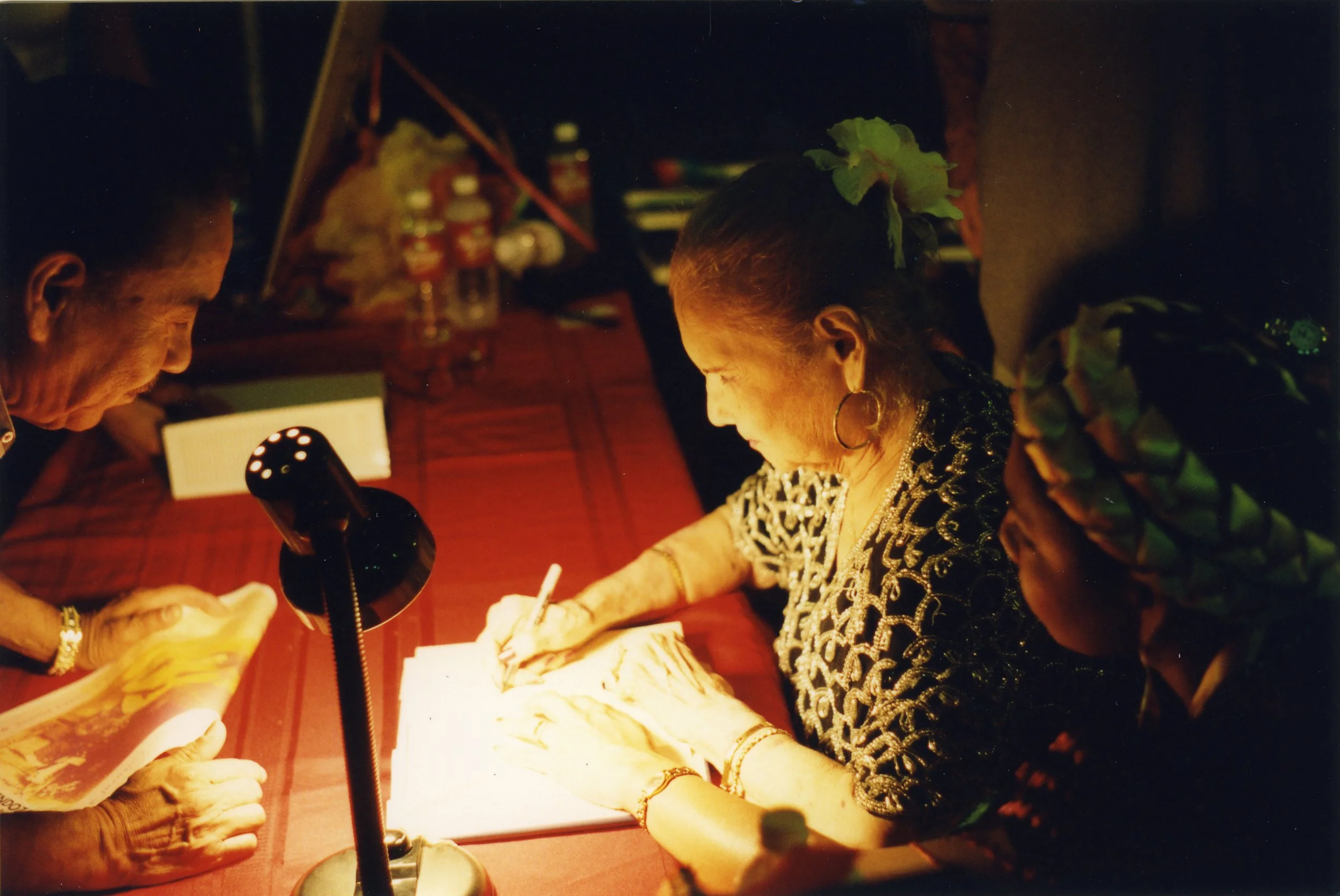
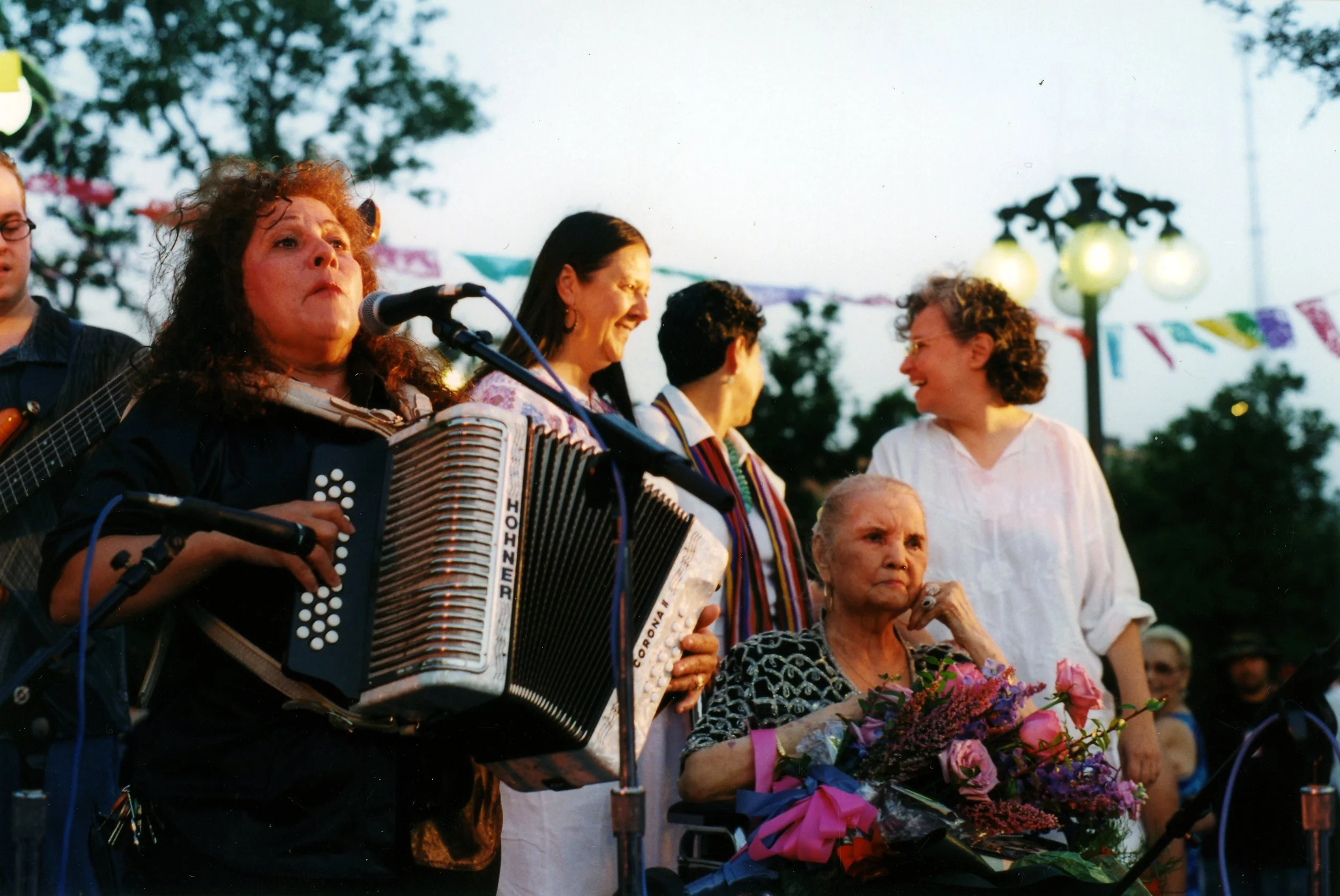
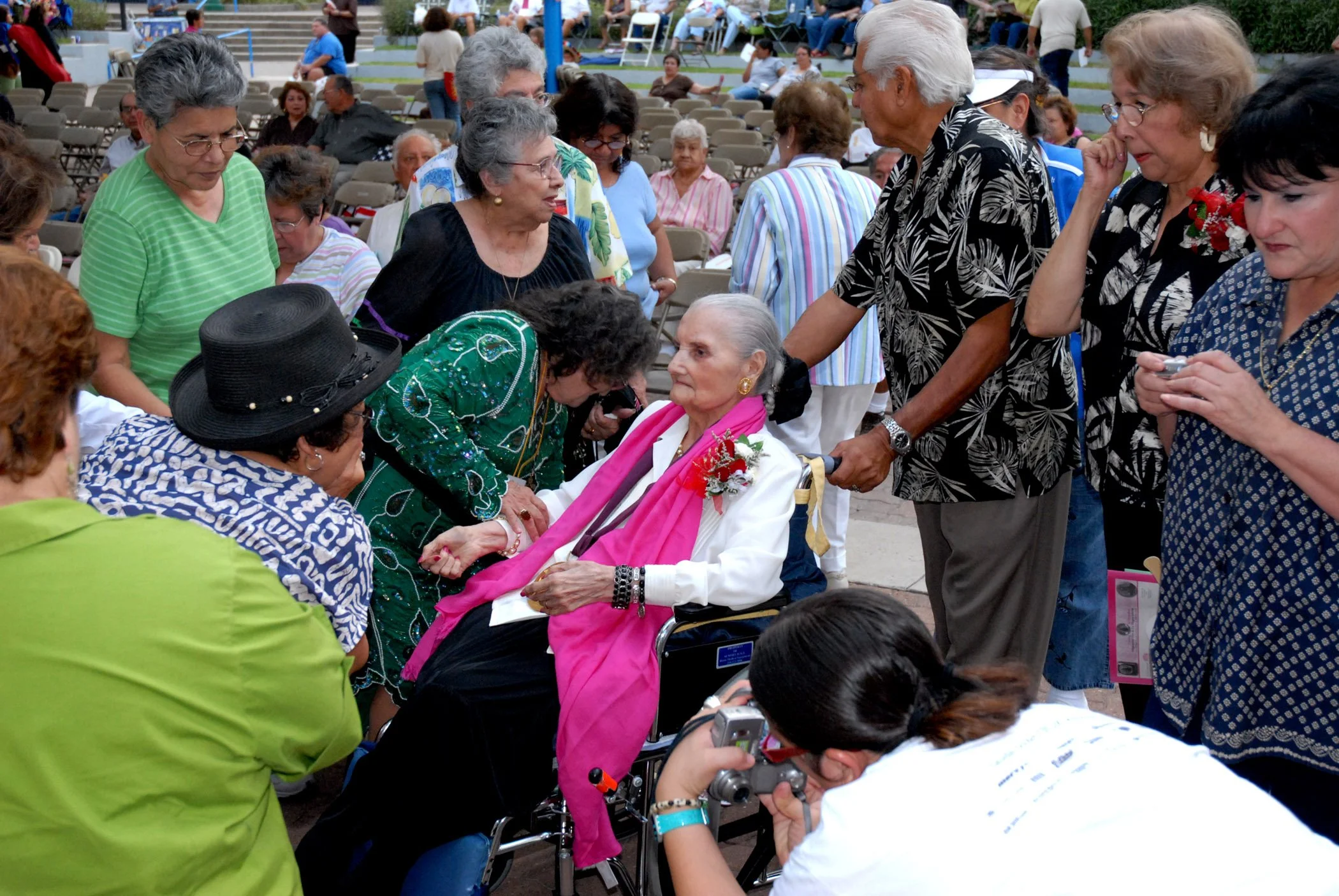
Lydia’s recording and touring didn’t end until 1988, when a stroke left her partially paralyzed. Lydia moved to San Antonio in 2000. On September 23, 2001, the Esperanza Peace and Justice Center and the Guadalupe Cultural Arts Center held an 86th birthday celebration for her at Plaza del Zacate, and highlighted the publication of the bilingual book: Lydia Mendoza’s Life in Music/La Historia de Lydia Mendoza by Yolanda Broyles-González. Lydia died in San Antonio on December 20, 2007, at the age of ninety-one.
Over ten years after her death, the Texas Historical Commission unveiled a historical marker to her where she is buried in San Fernando Cemetery #2, in 2019. A group of Mendoza family descendants, including 13 grandchildren, joined 120 dignitaries and community members to honor her at the unveiling ceremony. Her great granddaughter Barbara Ramirez sang the national anthem at the ceremony. She noted that she only knew her as “Grandma Cantar” who made delicious tamales and led family sing-alongs. She did not realize how famous her great grandmother was until she saw her featured in a Texas History class.
During her lifetime she recorded 50 LPs and 1000 canciones: boleros, danzas, corridos, tangos, and ballads. Her songs were about historic figures, hard work, lost love and the joys of everyday life.
-
Acosta, Teresa Palomo. “Mendoza, Lydia,” Handbook of Texas Online, accessed June 29, 2021, https://www.tshaonline.org/handbook/entries/mendoza-lydia. Published by the Texas State Historical Association.
Blank, Les and Chris Strachwitz. Chulas Fronteras. Les Blank Films, 1976.
Broyles Gonzalez, Yolanda. Lydia Mendoza’s Life in Music/La Historia de Lydia Mendoza: Norteño Tejano Legacies. Oxford University Press, 2001.
Burnett, John. “Lydia Mendoza: The First Lady of Tejano.” NPR: Morning Edition, May 24, 2010. https://www.npr.org/templates/story/story.php?storyId=127033025
Del Toro, Leticia. “Lydia Mendoza: First Queen of Tejano Music.” Liner Notes. Arhoolie Productions: 1996. https://folkways-media.si.edu/liner_notes/arhoolie/ARH00392.pdf
Frank, Nicholas. “Lydia Mendoza, Queen of Tejano Music, Honored with Official State Historical Marker.” San Antonio Report: June 1, 2019.
“Lydia Mendoza: Mexican American Singer.” 1982 NEA Heritage Fellow. https://www.arts.gov/honors/heritage/lydia-mendoza
“Lydia Mendoza.” 86th birthday celebration. VHS Programming Video Archives. Esperanza Peace and Justice Center. September 23, 2001. https://esperanzacenter.org/video-4/
“Lydia Mendoza: Honored on her 103rd Birthday with an Historical Marker.” La Voz de Esperanza, May 2019. https://issuu.com/esperanzasanantonio/docs/la_voz_-_may_2019
“Lydia Mendoza”. The Strachwitz Frontera Collection of Mexican and Mexican American Recordings https://frontera.library.ucla.edu/artists/lydia-mendoza
Strachwitz, Chris and Lydia Mendoza.Lydia Mendoza, A Family Autobiography. Compiled and Introduced by Chris Strachwitz and James Nicopulos. Houston: Arte Publico Press 1993.