Beatriz Escalona “La Chata Noloesca”
“Yo viví mi vida bien; yo me puedo morir ya porque ya gocé de mi vida. Di mi vida al teatro, a la gente, al público; hice reír a mucha gente. Me voy muy tranquila.”
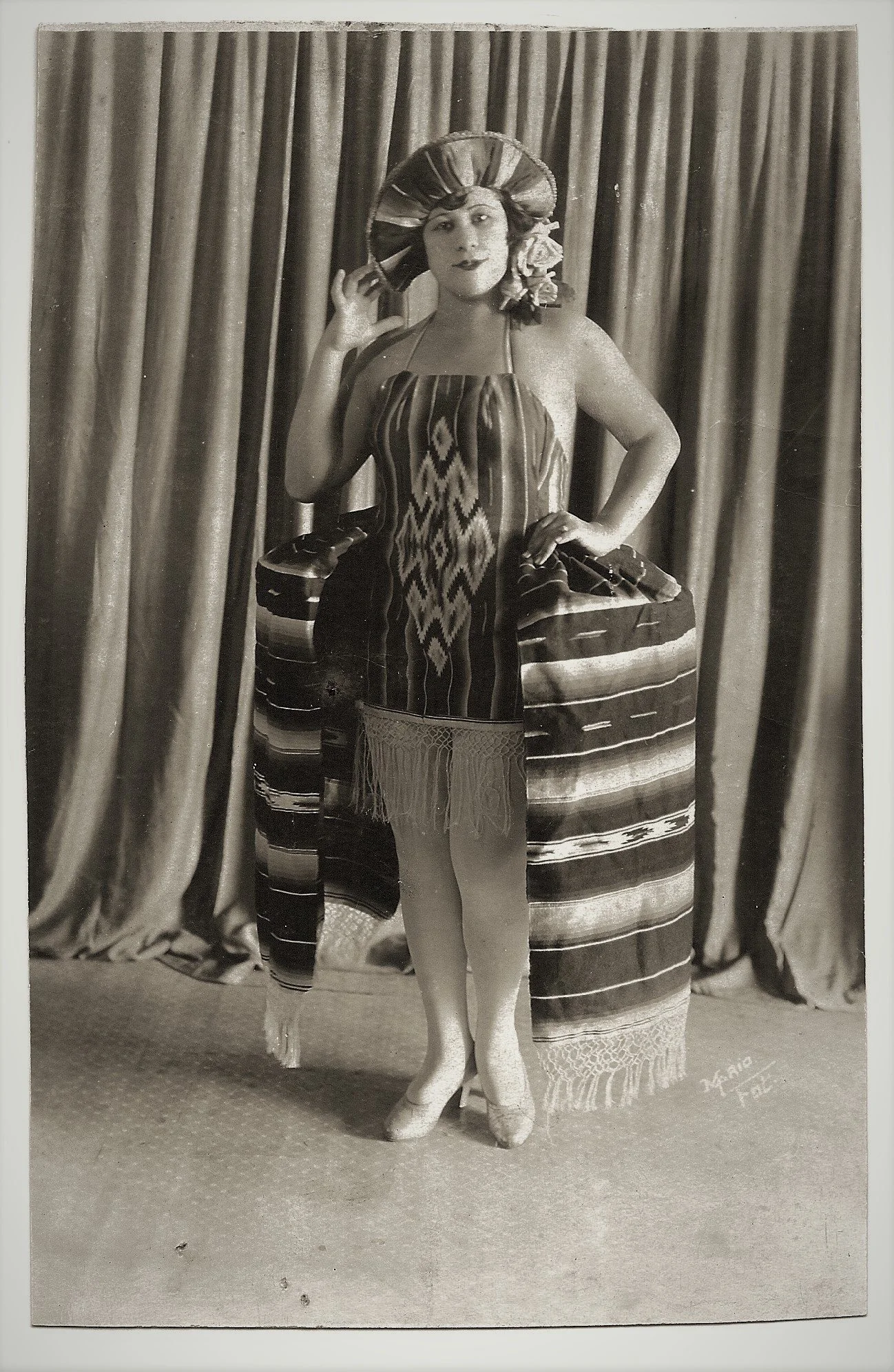
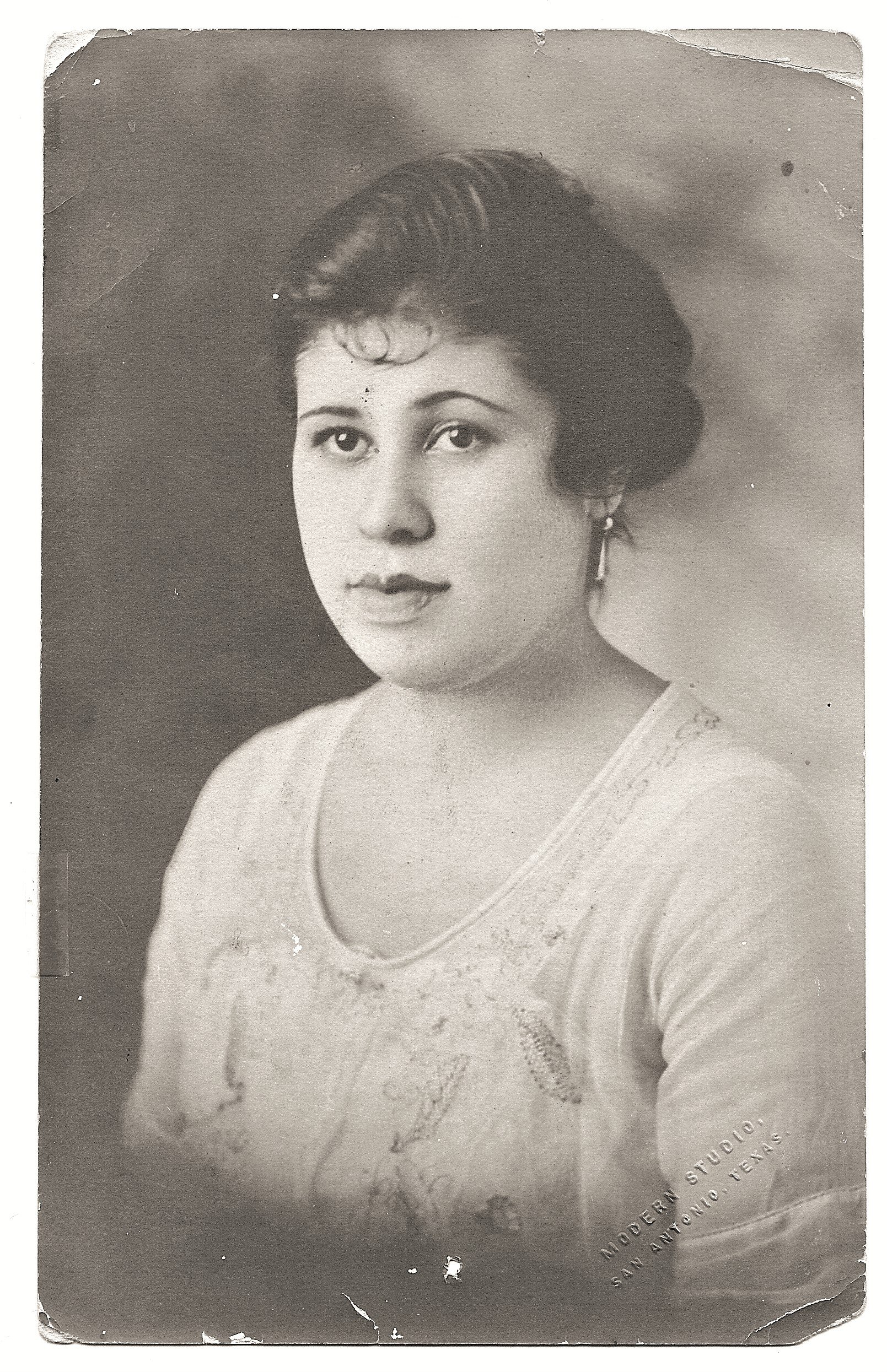
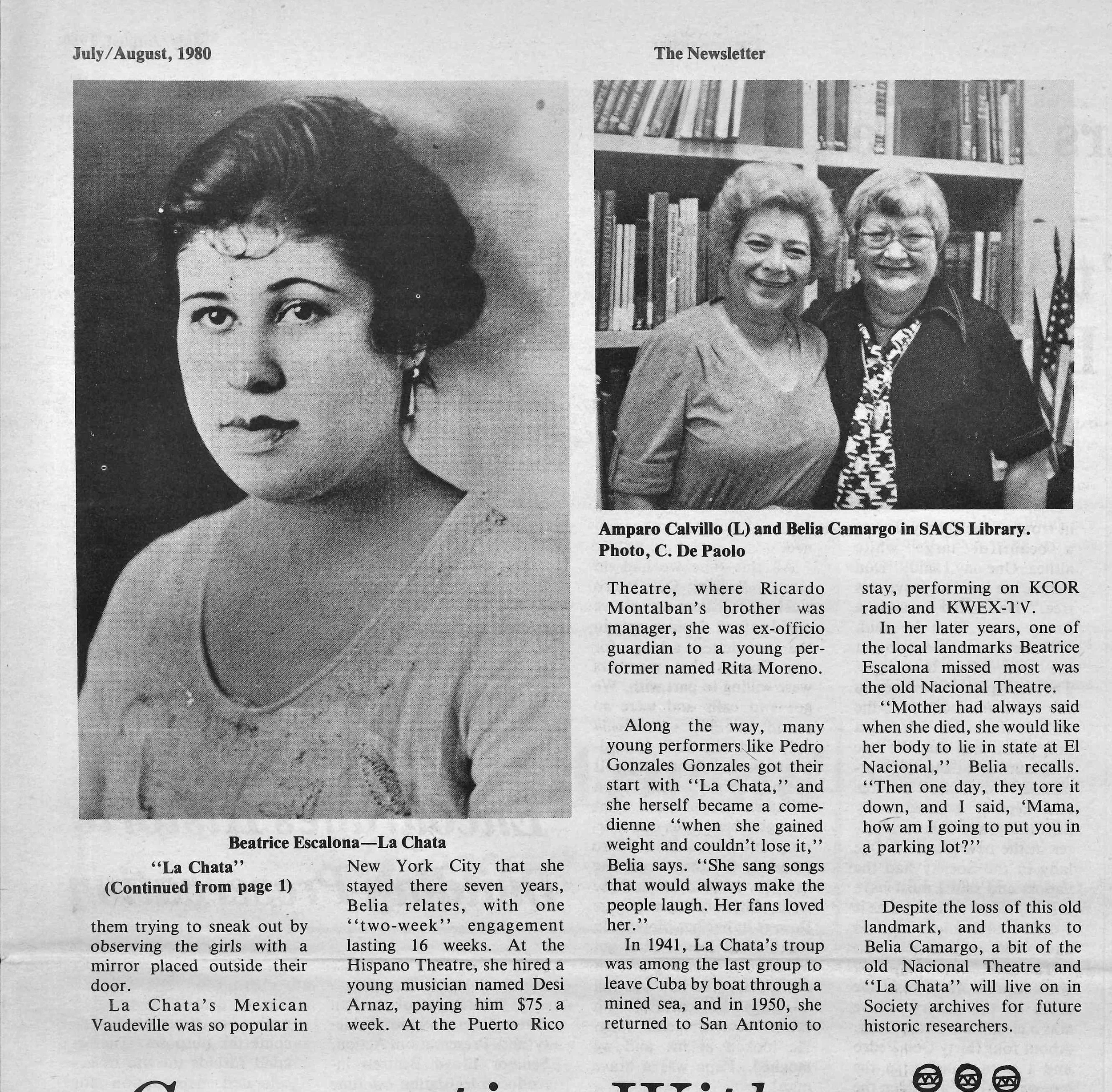
A young Beatriz Escalona in Mexican serape costume, undated
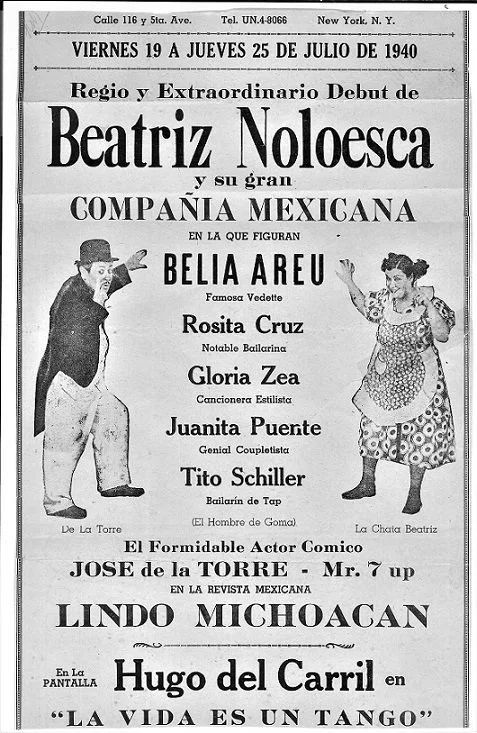
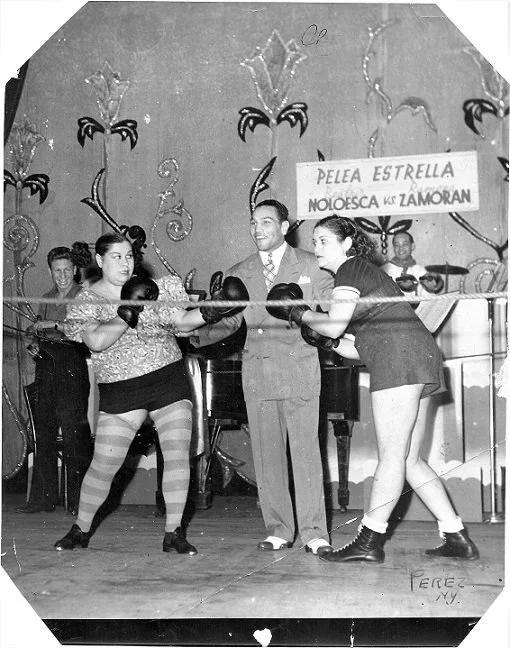
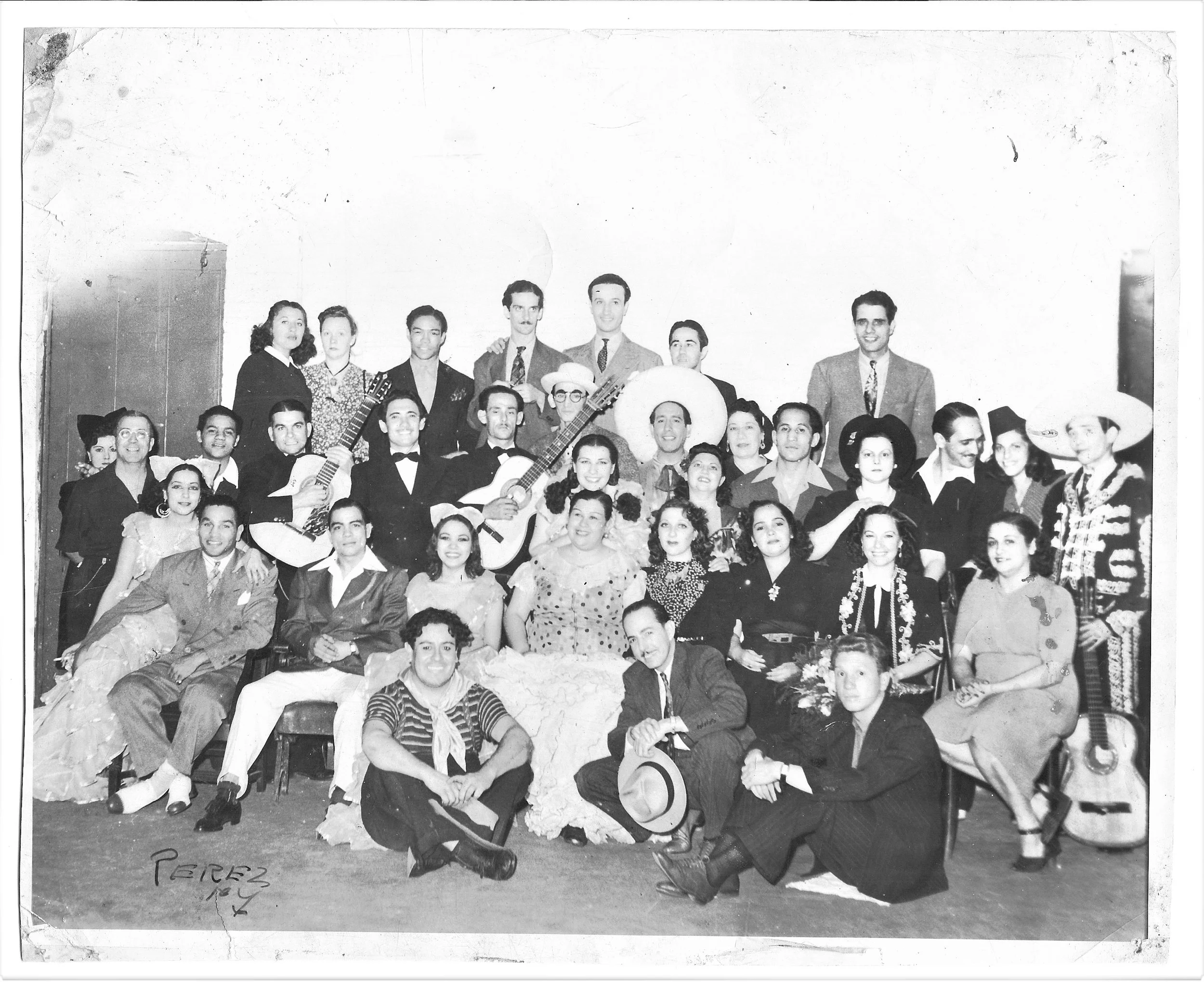
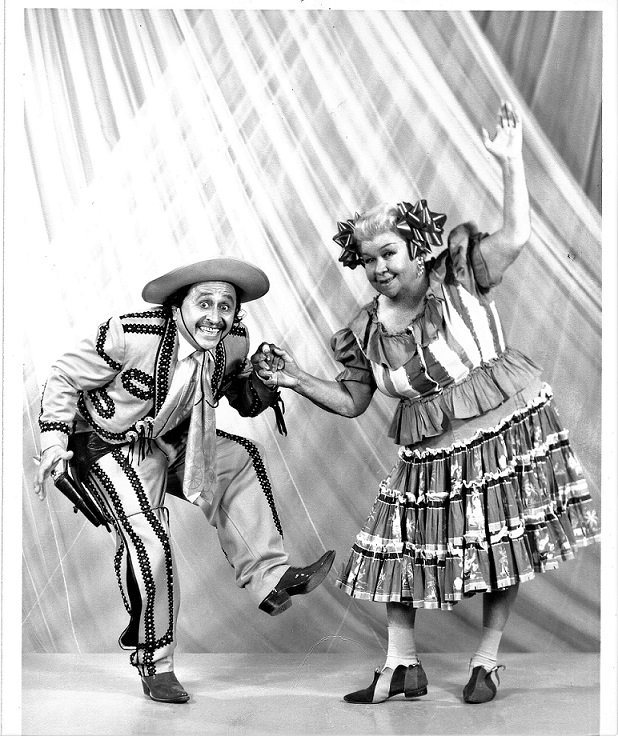
Beatriz Noloesca performance at Teatro Hispano, New York, undated
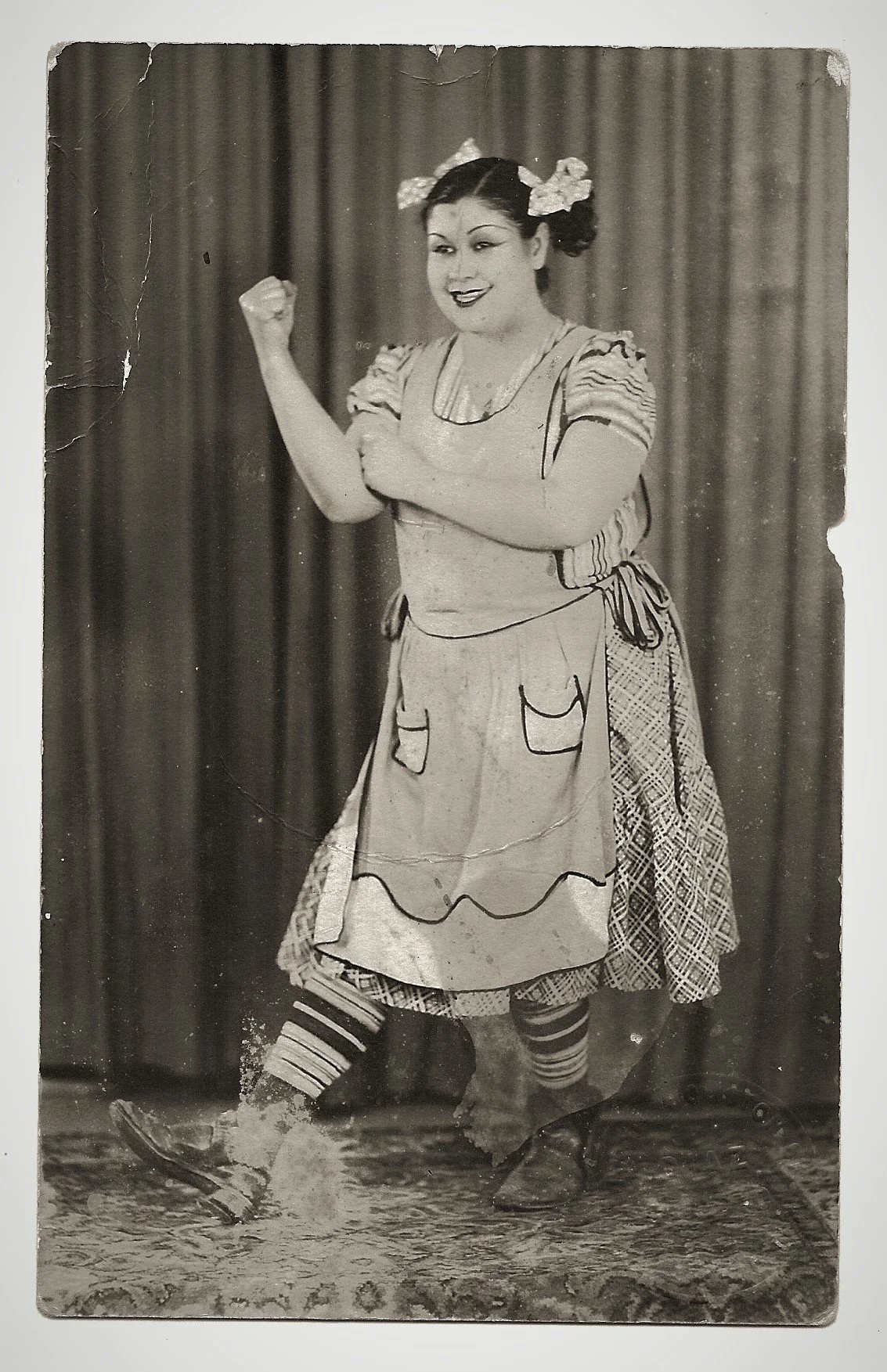
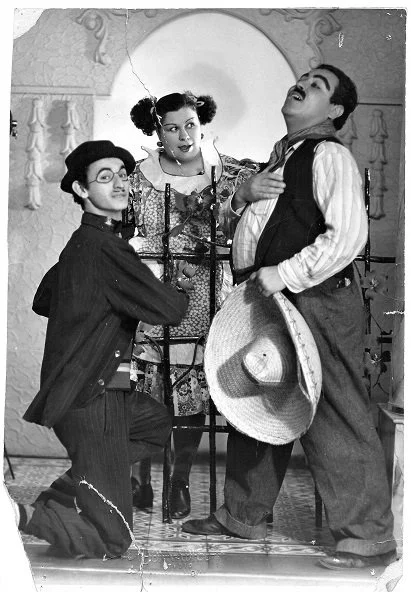
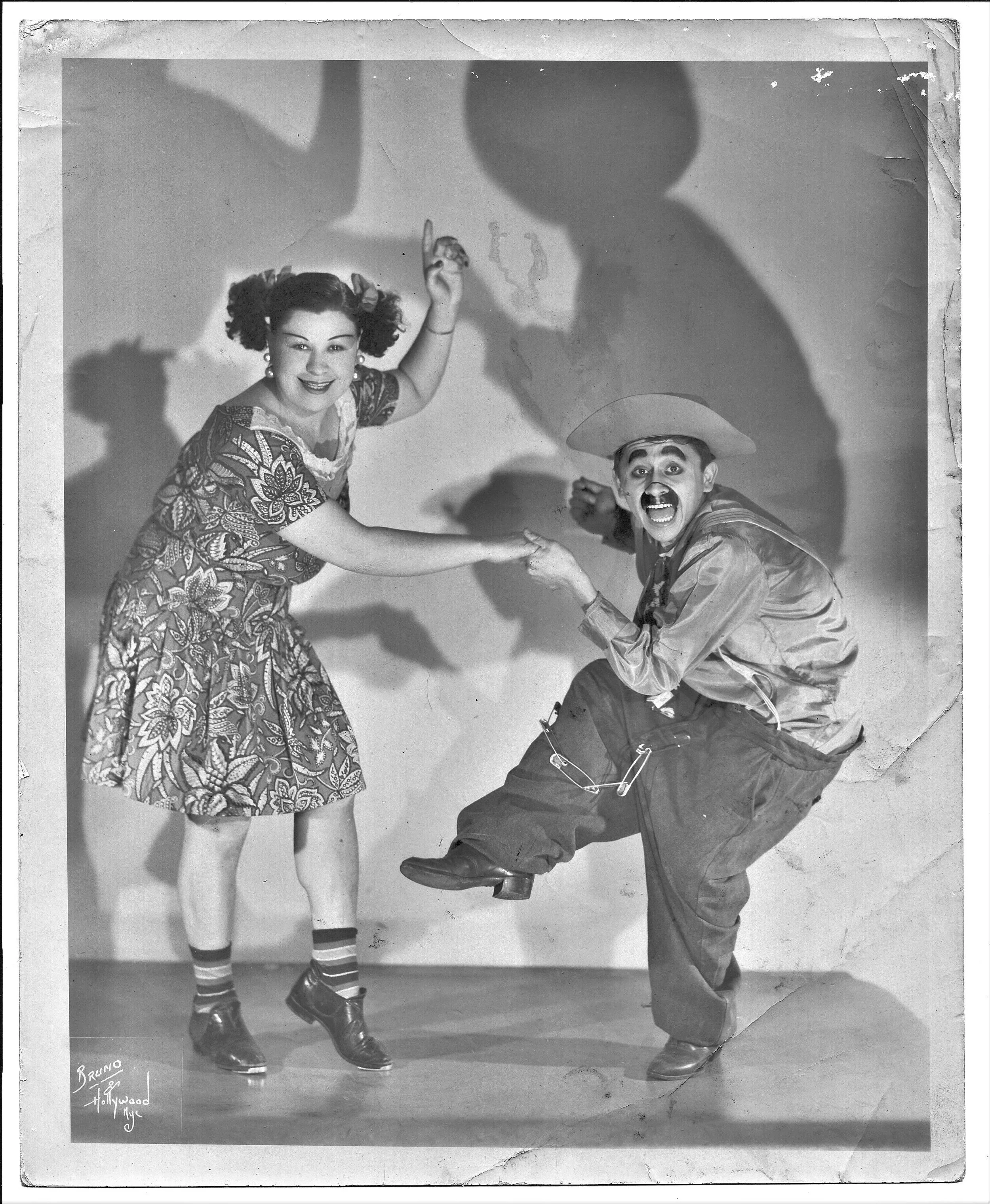
Beatriz Escalona in apron for comedy skit, undated
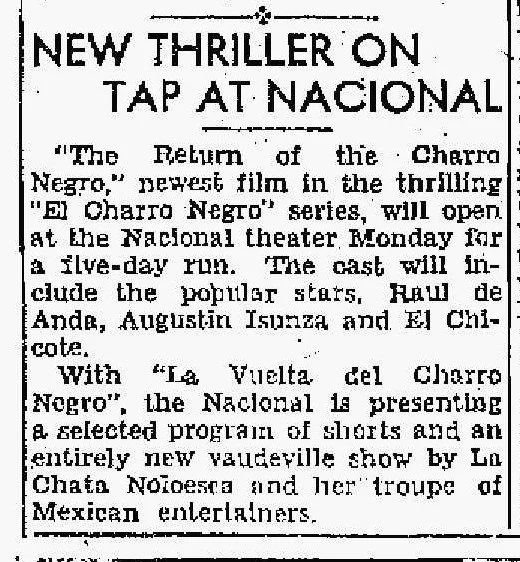
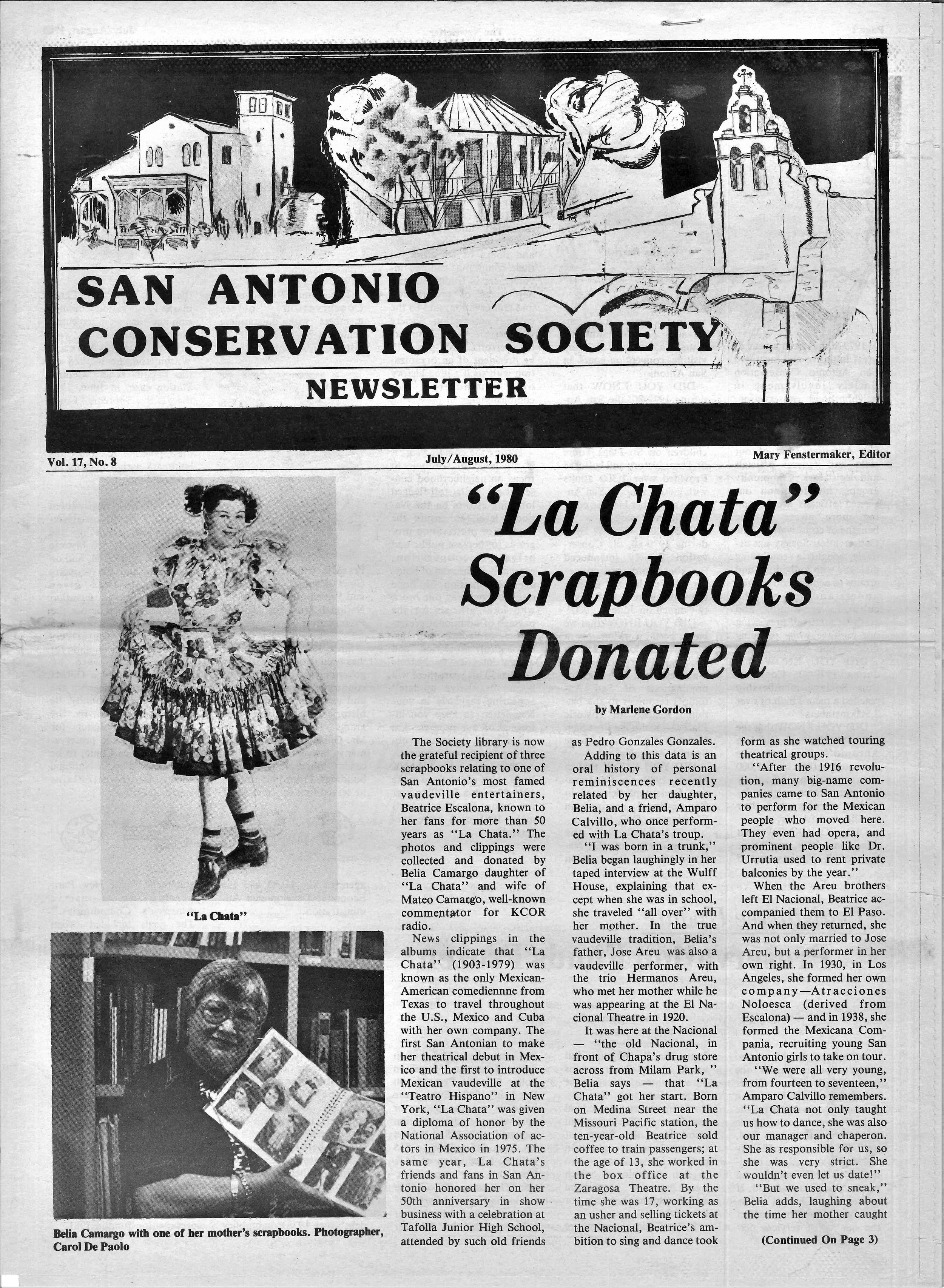
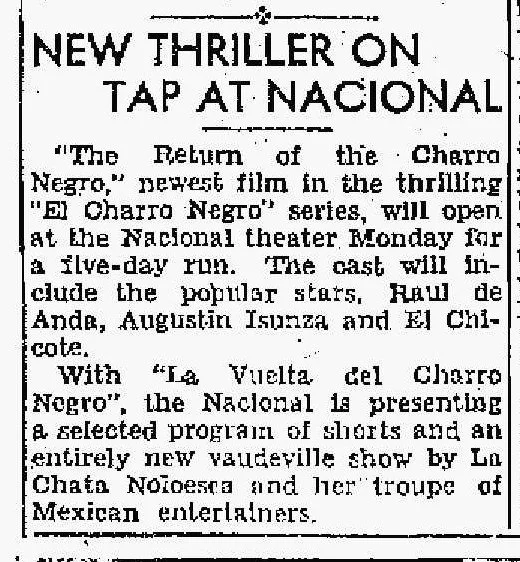
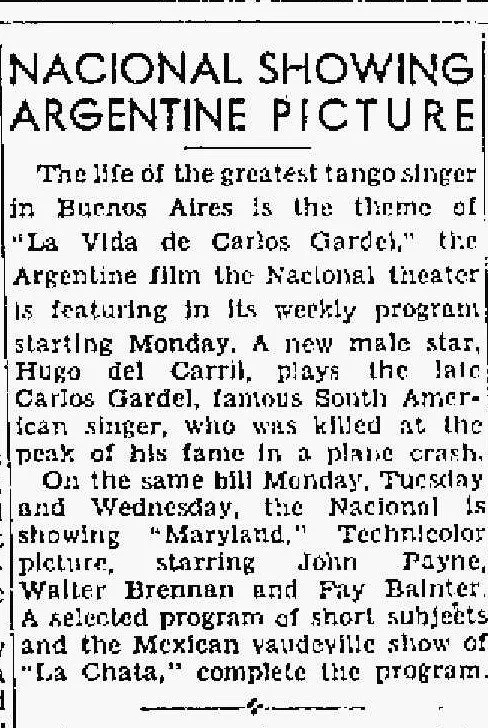
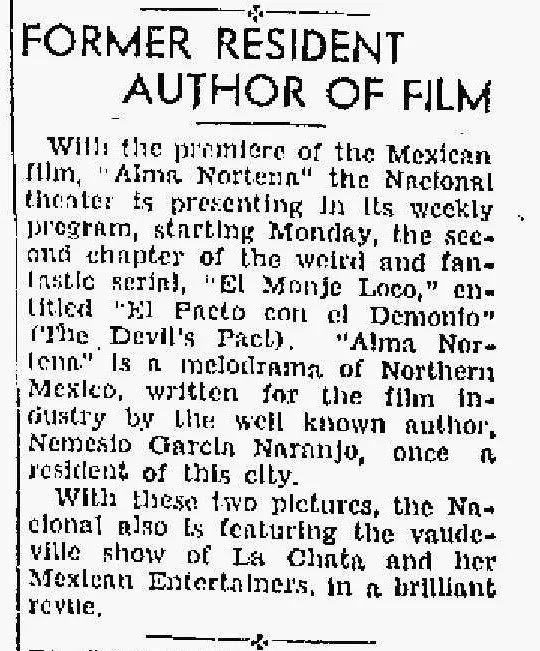
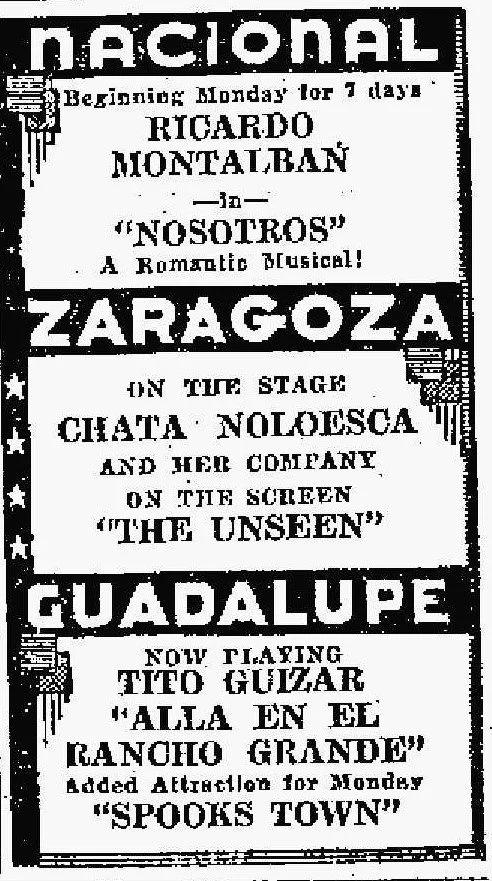
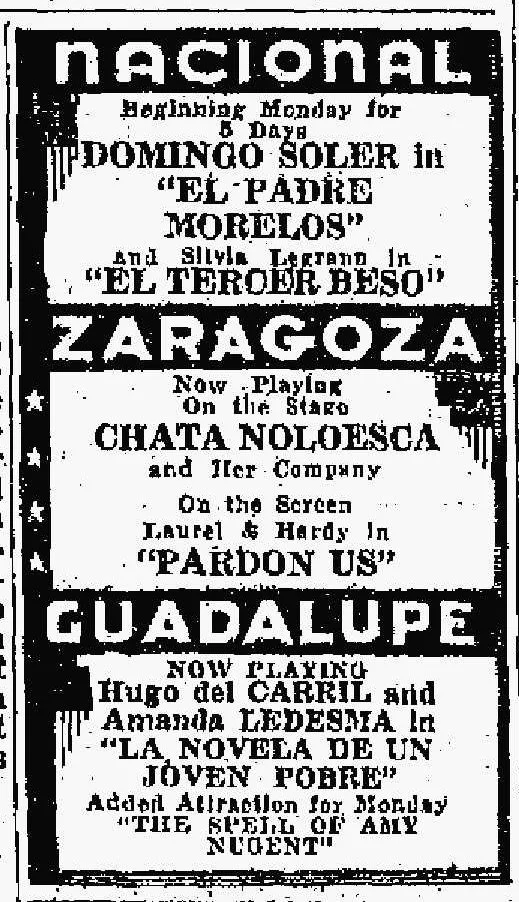
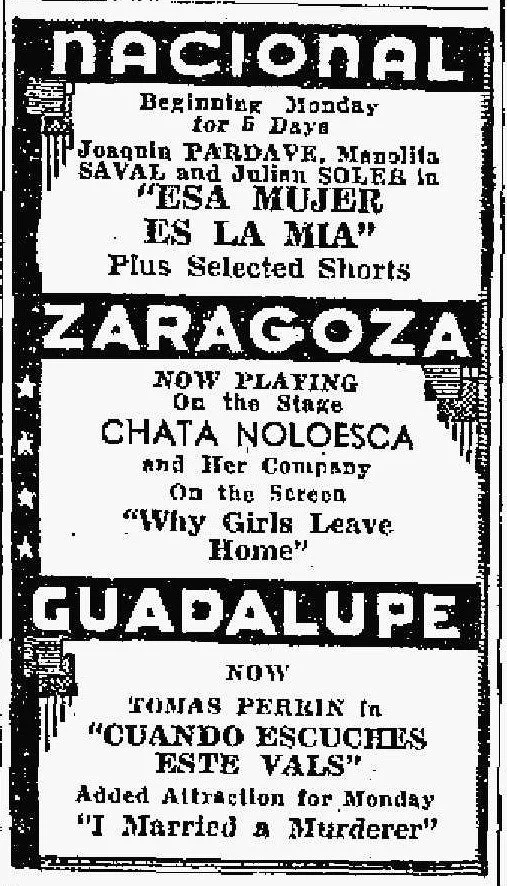
“First she performed at El Nacional, she stayed there two years, then she came to El Zaragoza for another year. My mother would get people from Mexico City to San Antonio and a lot of people from here that had talent she would help, like Eva Garza, that used to sing very beautiful.”
Pioneer of Mexicana women in theater
1903–1979
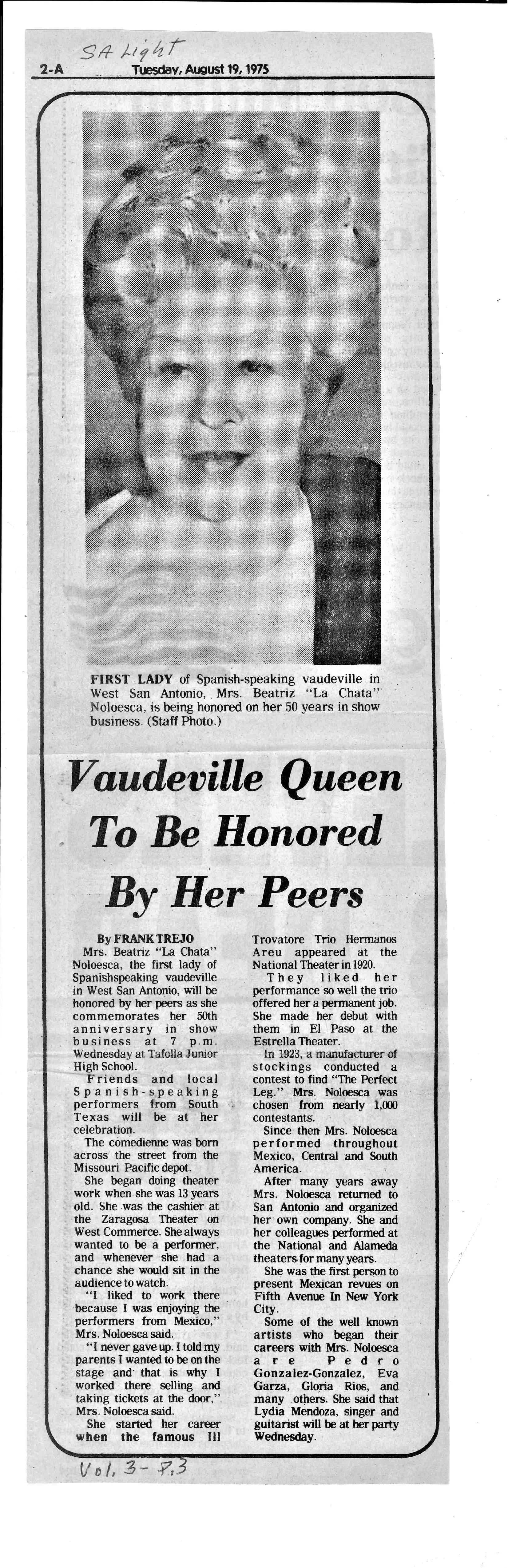
Beatriz Escalona Pérez, also known as “La Chata Noloesca” was a comedienne who toured throughout the United States and Mexico. She was a talented performer and manager who created and sustained her own company for over two decades. In 1975 she was honored by the Mexican National Association of Actors in San Antonio. Her epitaph in San Fernando Cemetery simply and eloquently describes her legacy: “Artista sanantoniana que con su arte hizo sonreír al mundo.”
Pérez was born in San Antonio on August 20, 1903. She was the daughter of Escalona and Simona Pérez, both originally from Galeana, Nuevo León, Mexico. They lived in a small house on Medina street, near the Missouri Pacific Railroad Depot. Her father died when she was very young, and so to support the family her mother established a popular business selling hot food for train passengers passing through the city. Beatriz also spent much of her childhood with family in Monterrey, Nuevo León, near the Teatro Independencia. Here is where Beatriz became enthralled watching tandas de variedad, vaudeville-shows that incorporated song, dance, satire, parody and humor. She would make small flower bouquets from her relatives’ garden to sell, just to afford a cheap seat in the galería.
At the age of fifteen she began to work as an acomodadora, an usher in San Antonio’s Teatro Nacional. While working at the Nacional, she met a Cuban-born performer, José Areu, who was a member of the variety company Los Hermanos Areu. Beatriz left San Antonio to travel with his company, and studied singing and acting with the Areus. She made her first performance at the Teatro Colón in El Paso at the age of eighteen. At this point, she took the stage name Noloesca, an anagram of her last name. She married Areu, and had a child, Belia (who later also became a successful performer), in Mexico City on October 31, 1921.
Noloesca toured throughout Mexico and the Southwestern United States with Los Hermanos Areu. She performed in a variety of popular genres: risqué bataclán numbers (similar to burlesque), dramatic plays and comic sketches, and traditional and humorous Mexican songs. As Tomás Ibarra-Fausto writes in a profile of her: “La Chata honed her natural comic talents in the highly charged, participatory context of performances before working class audiences. Responses to her routines might be contagious approval or boisterous disapproval but never indifference.”
In 1930 she left the company, ended her marriage, and formed her own variety company, Atracciones Noloesca, Variedades Mexicanas. For the next six years she managed and acted with her company and periodically contracted to perform with other companies. Noloesca met and married her second husband, José de la Torre, in Tijuana. Torre became her comic partner. In 1936 she returned to San Antonio, where she performed at the Teatro Nacional.
“As an influential performance artist whose career spanned many generations, La Chata Noloesca broke many barriers. She... went on not only to establish her own company, but also to become the most visible female representative of Mexican American theater.
With her artistic sensibility and powerful sense of freedom, she succeeded innovatively in a male-dominated field where women have usually been absent or marginalized.”
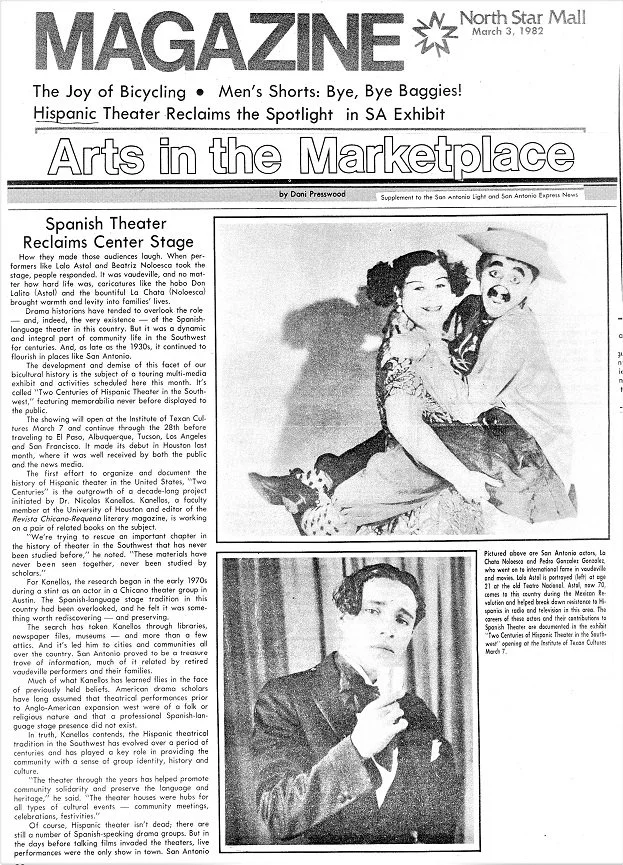
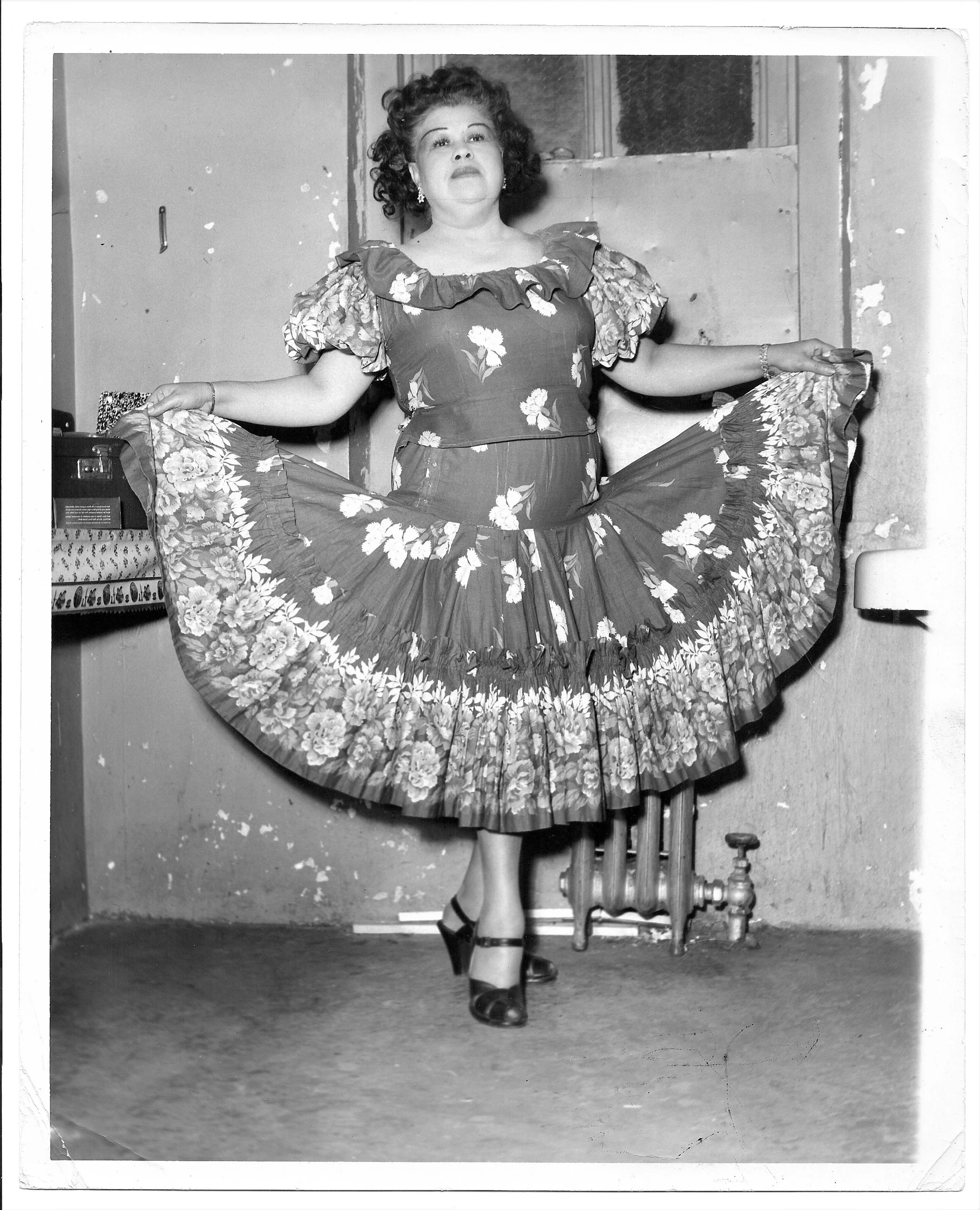
Around the late 1920s and early 1930s Noloesca developed the popular comic figure she maintained throughout the remainder of her career. She called the character "La Chata," (button-nosed), modeled on Mexican and Mexican-American maids. La Chata was known for wearing brightly printed, flounced cotton dresses, pigtails tied with big bows, and chunky men's shoes with boldly striped socks. Her character was simultaneously innocent and savvy, sweet and strong-willed. As Ibarra Fausto writes, Her peladita character (a working class streetwise woman of the metropolis) “speaks to the urban mass with its strengths and flavors of its living language which in itself surfaces as a creative response to conflicting tensions triggered by conflicting cultural loyalties.”
After the demise of her first company, Noloesca organized a second company, "Beatriz Noloesca `La Chata' Compañía Mexicana," in San Antonio in 1938. She, her second husband, her daughter, and four hired San Antonio natives formed the troupe. From the late 1930s to the 1950s Noloesca took her company on the road and performed to a range of Spanish-speaking audiences in the Southwest, Midwest, South, and Northeast, as well as Cuba. Noloesca did most of the work of running the company, handling finances, hiring performers and developing productions and arranging tours. Her company performed at the Teatro Hispano in New York City in the 1940s.
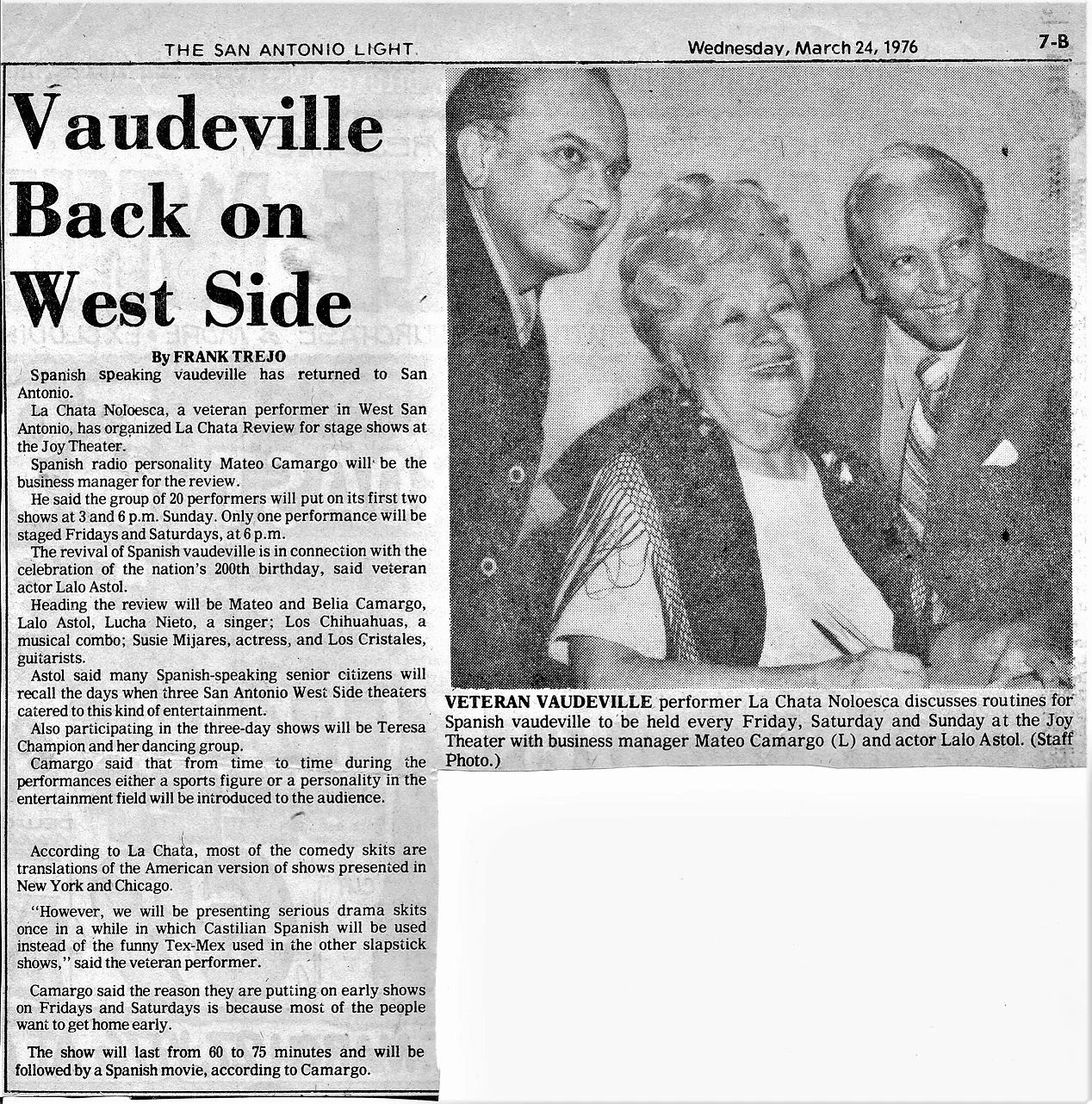
In the early 1950s, after an extended tour in New York, Noloesca returned with her daughter to San Antonio. She married her third husband, Rubén Escobedo, a San Antonio musician. She worked in radio, acting in half hour stints on a program called “Espuelas de Plata” on KCOR. When Spanish language television began, she pioneered a new program “Las Tandas de la Chata,” where she continued her traditional performances in this new medium. She also continued to do live performances, including many benefits, through the 1970s. On her 72nd birthday in 1975, she was honored with a gala theatrical tribute, and the National Association of Actors in Mexico awarded her a diploma of honor. She was one of the few non-Mexicans to receive this distinction. In her last years of life, she told her daughter “Hija, el día que yo muera, que me velen en el Teatro Nacional. Porque de esas tablas salí y allí quiero que me vayan a ver.” Unfortunately her daughter was unable to give her this last wish because the Nacional had been demolished by this time. She died in San Antonio on April 4, 1979, and is buried in San Fernando Cemetery.
Beatriz Noloesca, Angel Chacel Y Hermanos Areu - Chismitos De Vecindad - 1a Parte - Vocalion A 8106
-
Kanellos, Nicolás. A History of Hispanic Theatre in the United States: Origins to 1940. Austin: University of Texas Press, 1990.
Ramírez, Elizabeth C. Footlights across the Border: A History of Spanish-Language Professional Theatre on the Texas Stage. New York: Lang, 1990.
Smith, Pamela A. “Beatriz Noloesca, ‘La Chata’: An Oral History. M.A. thesis, University of Texas at Austin, 1991.
Smith, Pamela A. and Elizabeth C. Ramírez, "ESCALONA PEREZ, BEATRIZ," Handbook of Texas Online. Texas State Historical Association. Accessed July 16, 2020, http://www.tshaonline.org/handbook/online/articles/fes26
Ybarra-Frausto, Tomás. "La Chata Noloesca: Figura del Donaire," in Mexican American Theatre: Then and Now, ed. N. Kanellos. Houston: Arte Público Press, 1983.